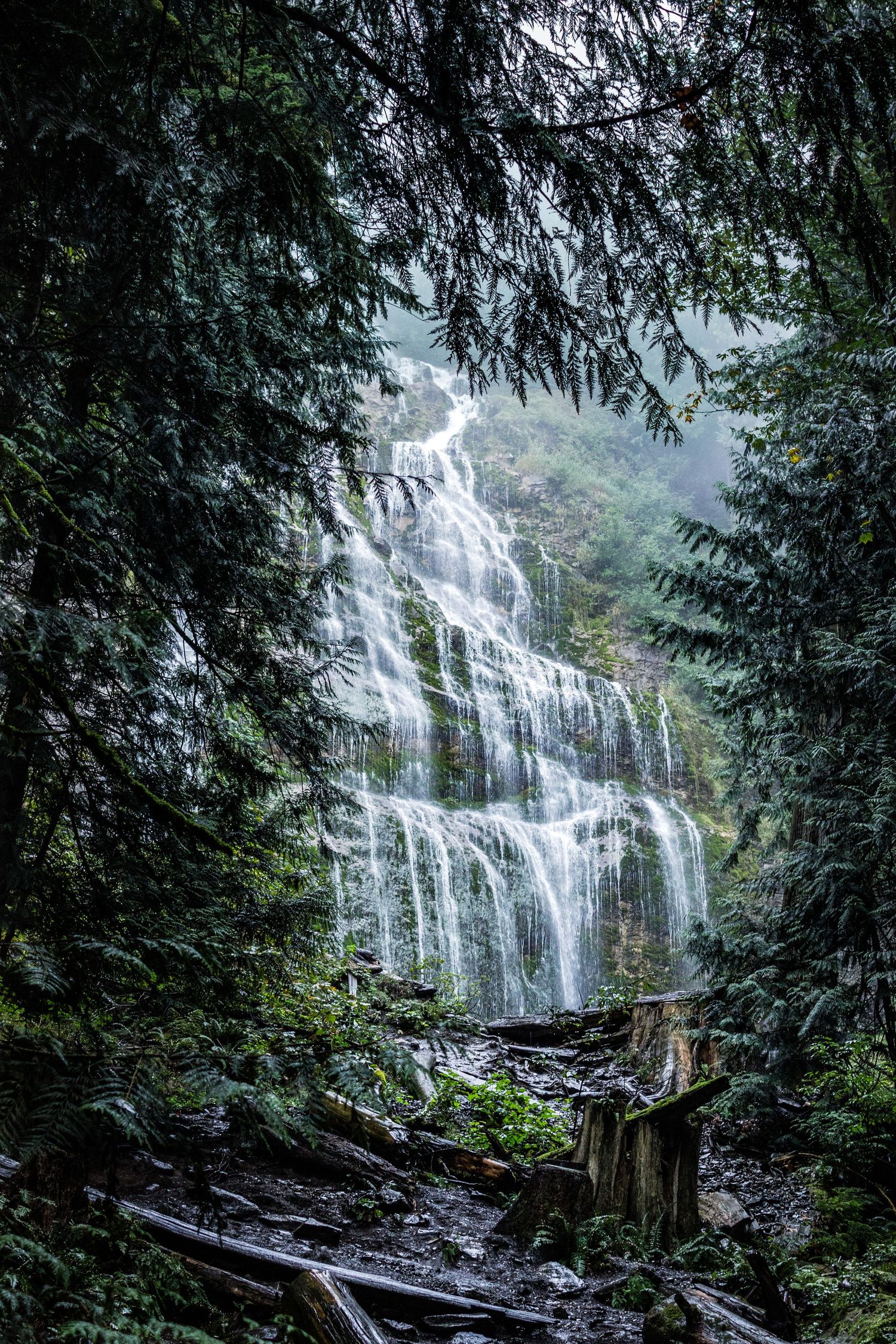
September marked a shift. Leaving the coast behind, the road pulled east almost immediately, climbing out of the Lower Mainland and into the Fraser Valley. Bridal Veil Falls appeared not long after leaving Vancouver, water cutting sharply through the rock face beside the highway. It felt like a quiet threshold moment, a signal that the journey inland had properly begun.
Beyond Hope, the landscape opened up. Forests thinned, mountains widened, and the familiar coastal air gave way to something drier. The drive toward the Interior carried a sense of gradual release, the road stretching longer between towns. Kelowna became the first real pause away from the coast. The Okanagan still held onto summer, vineyards lining the hillsides and the lake stretching long and calm through the valley. Compared to what lay ahead, it felt warm and gentle, a soft transition before the terrain hardened and lifted.
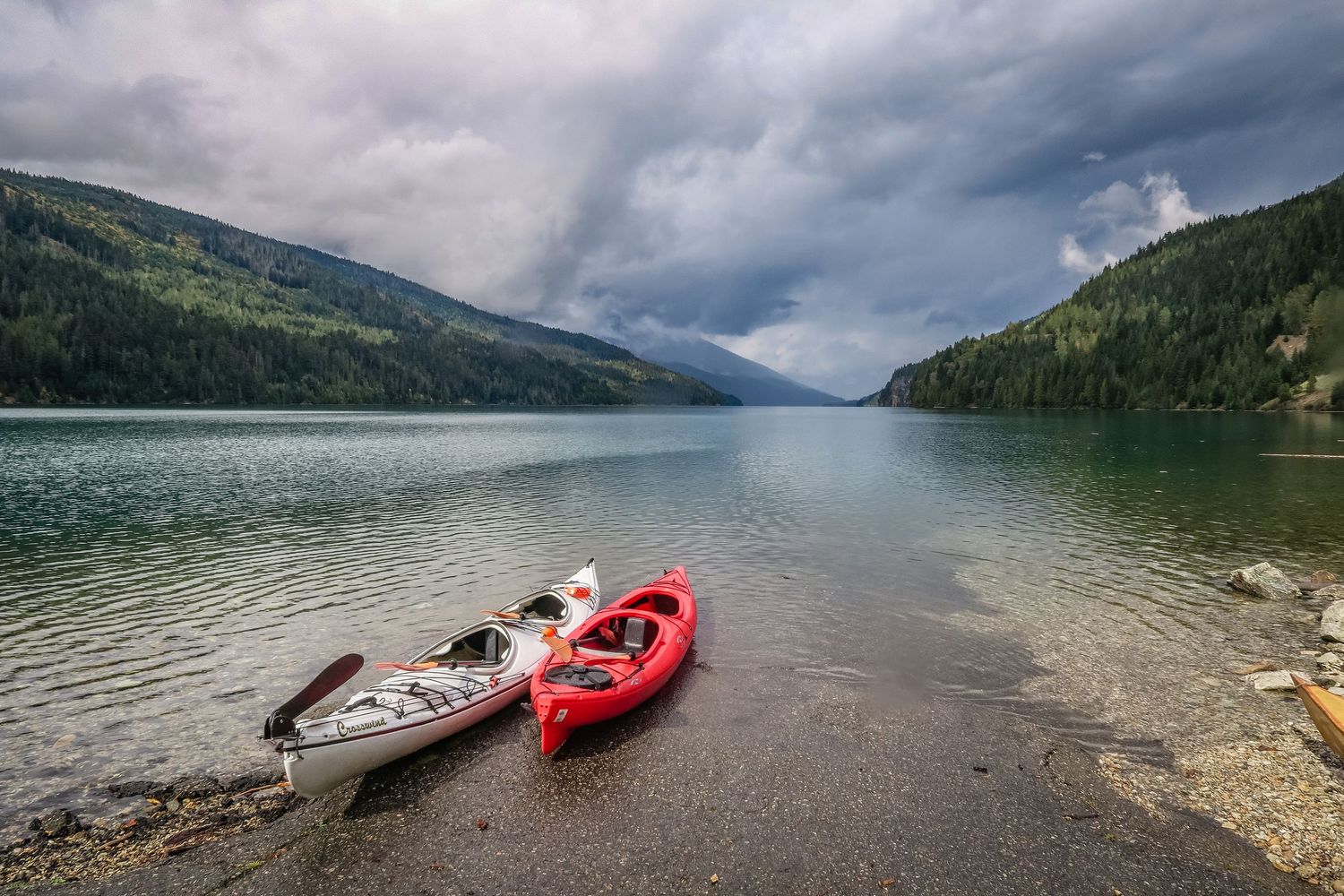
From Kelowna, the journey pressed further east. Lake Revelstoke offered a pause that felt completely removed from the road. Time there unfolded quietly, kayaking across still water with mountains rising on either side, reflections broken only by the movement of the paddle. The stillness contrasted sharply with the distance already covered and the miles still ahead.
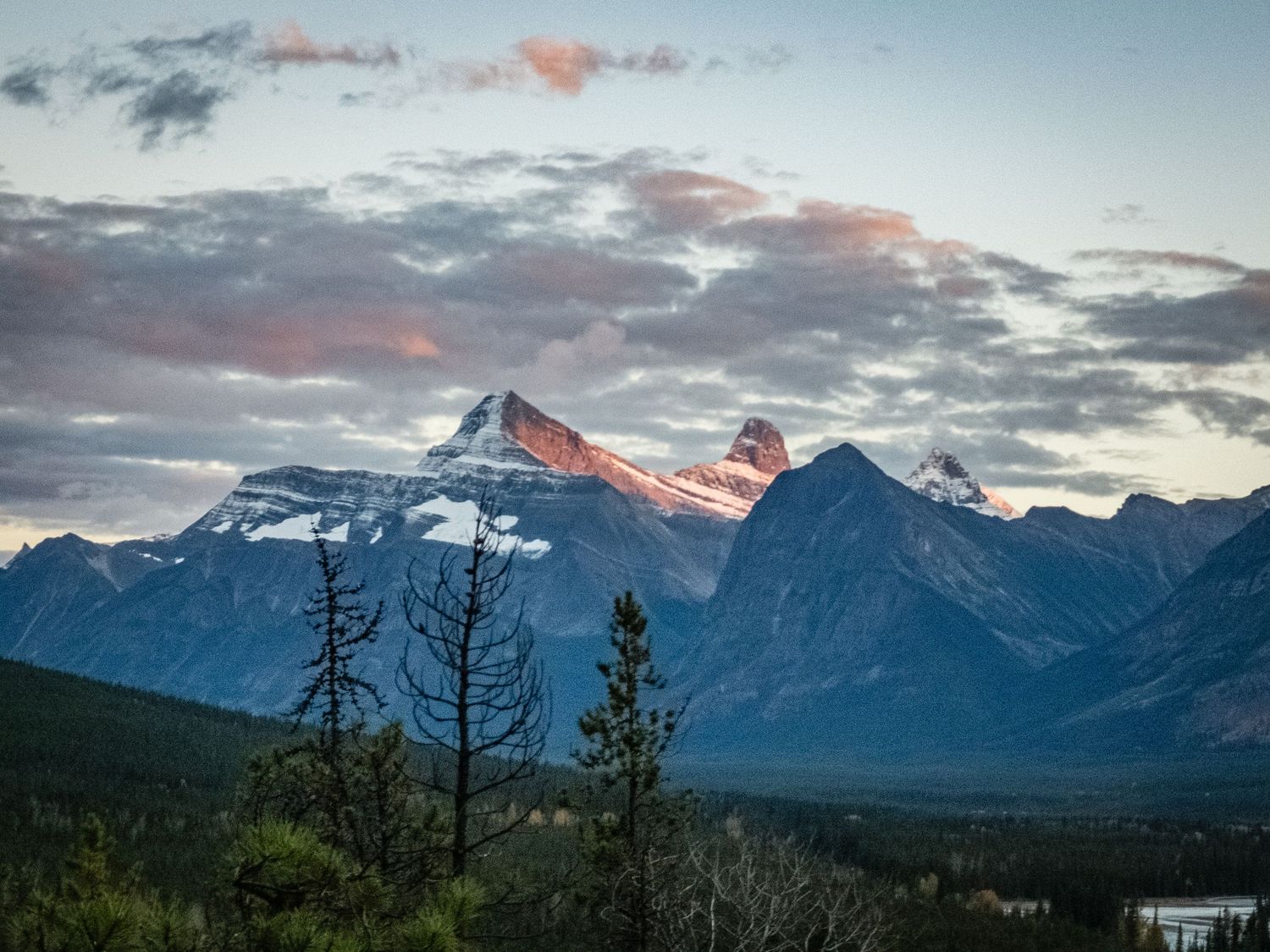
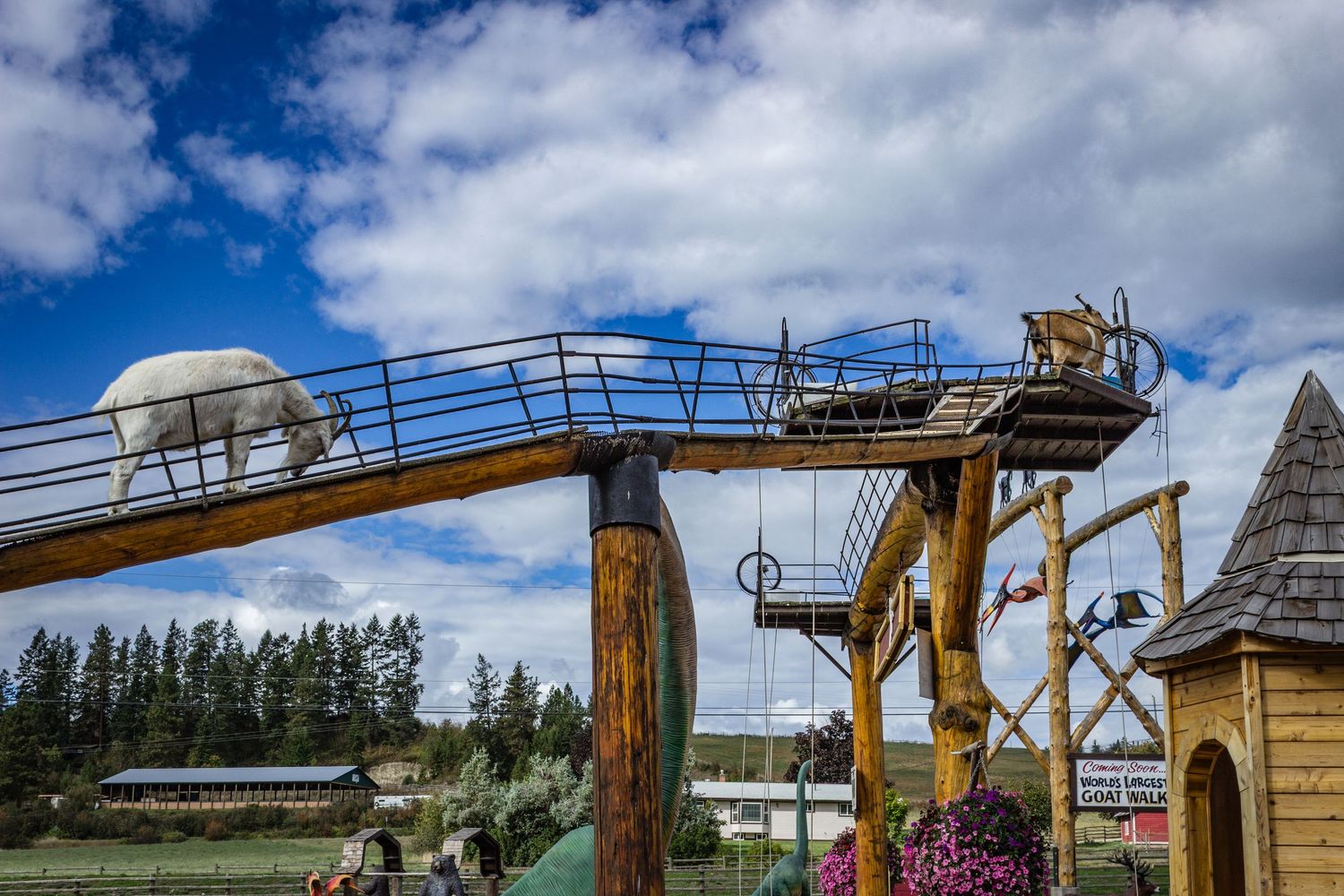
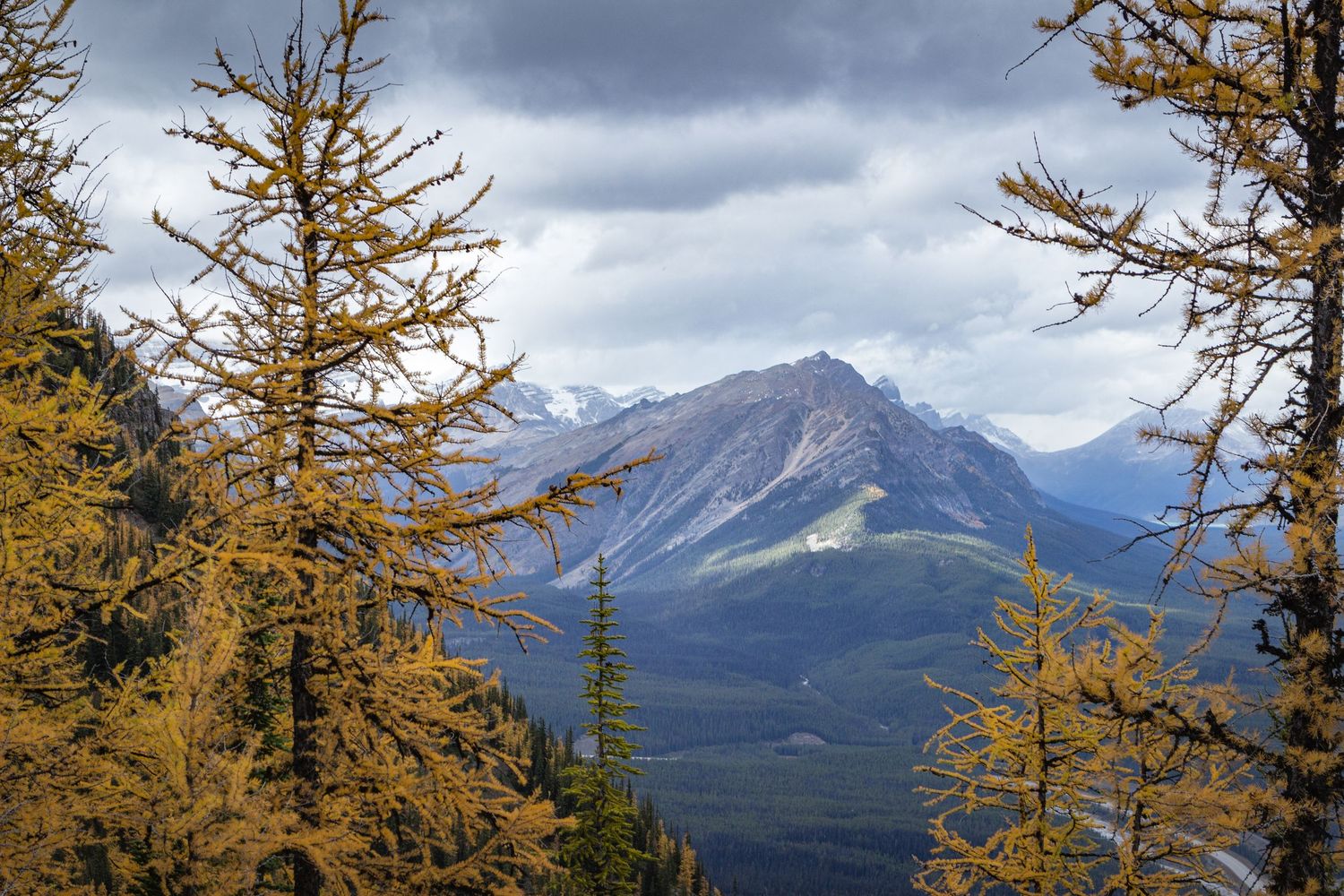
Revelstoke marked the transition deeper into the mountains. Goats appeared along the roadside, standing improbably balanced against rock faces, while glaciers began to reveal themselves in the distance. The air cooled quickly, and the scenery shifted from forested valleys to sharper peaks and exposed stone. Each kilometre carried a sense of moving further into something older and more imposing.
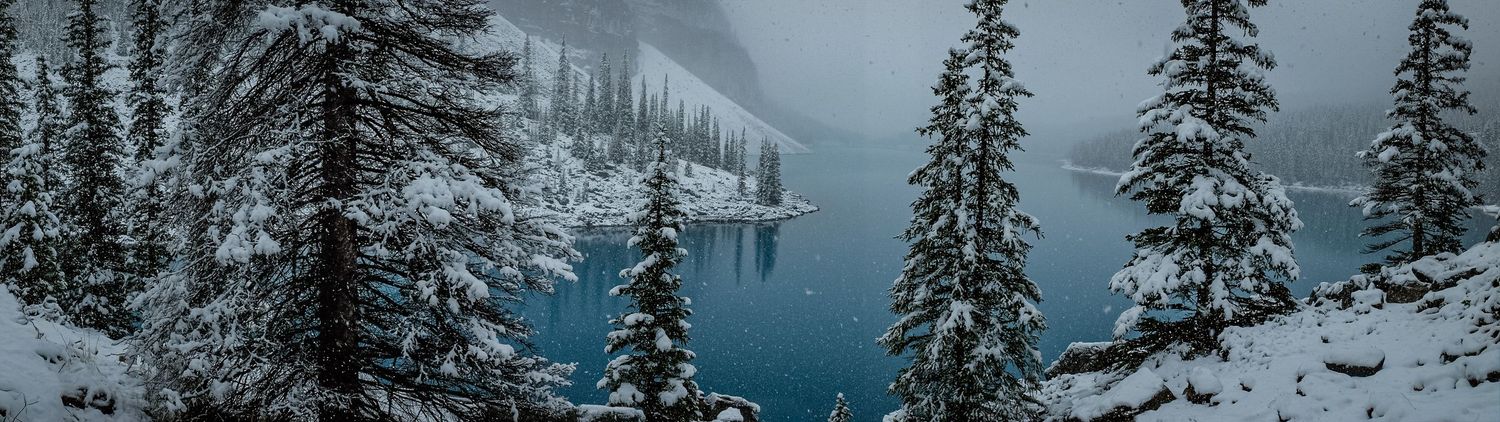
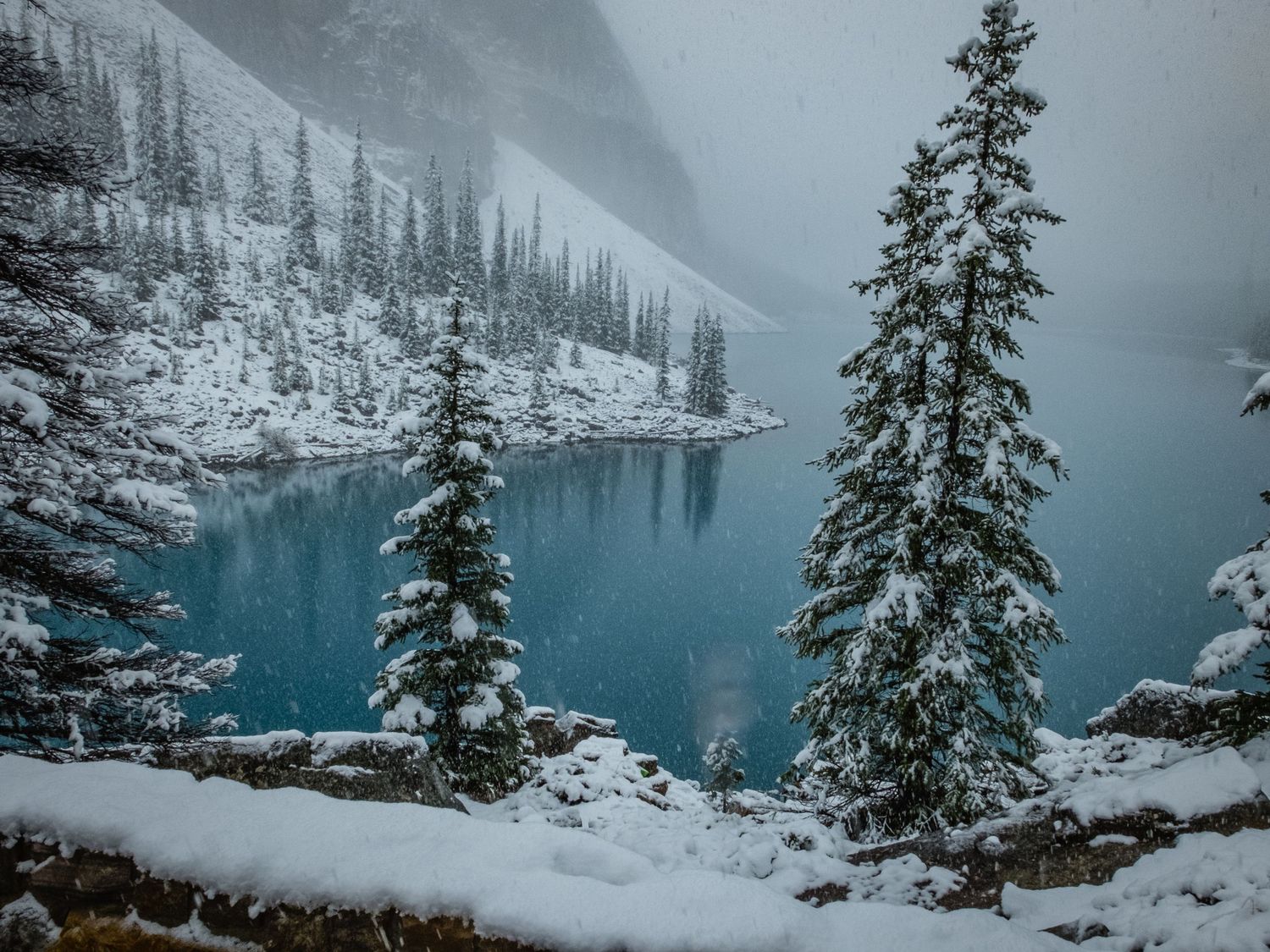
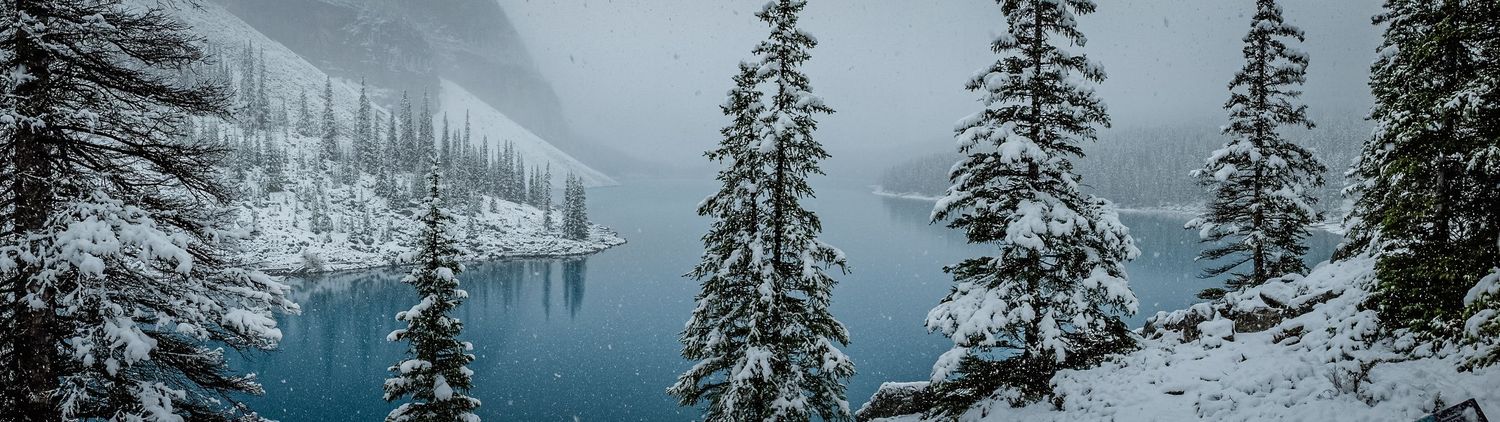
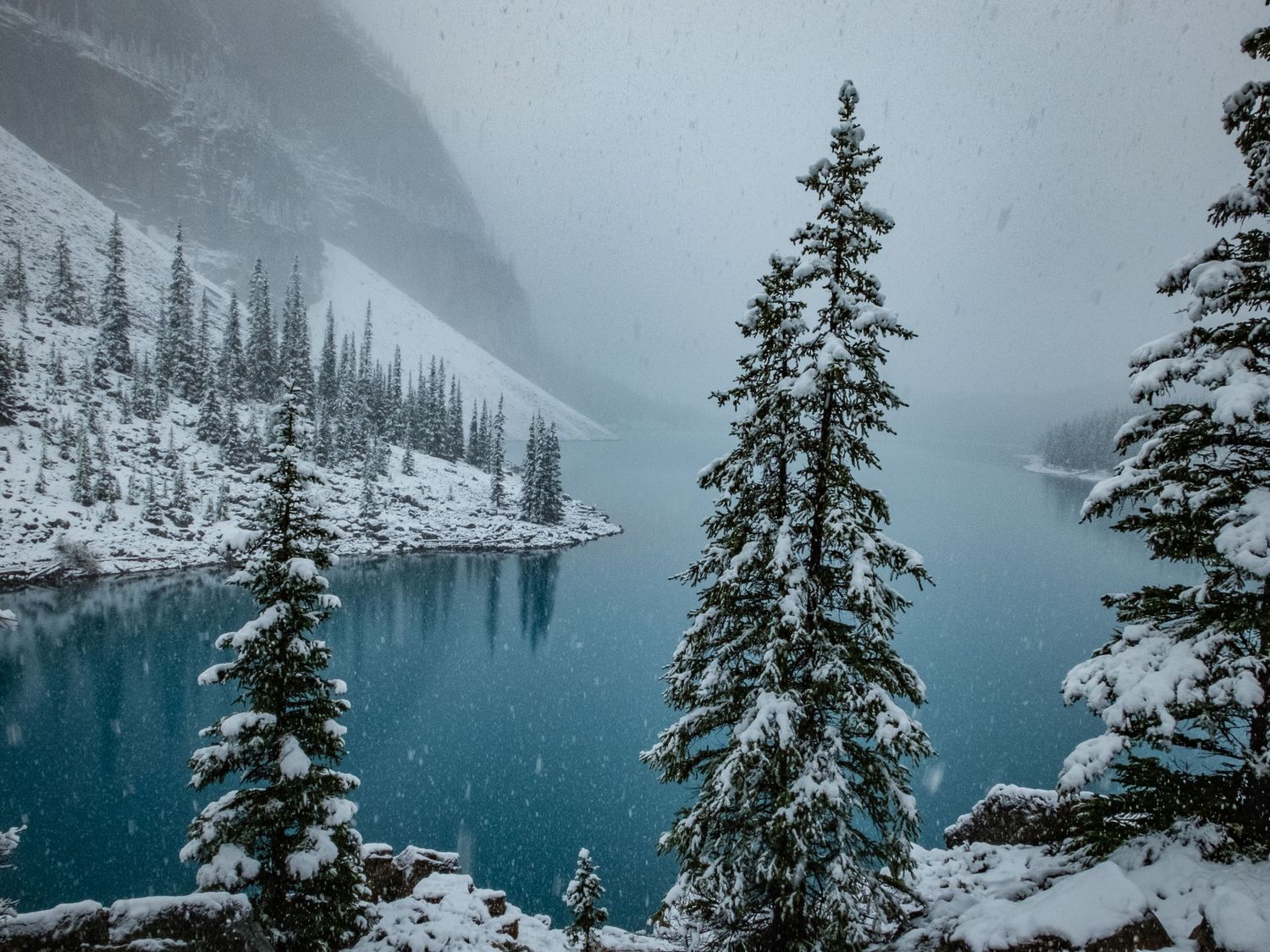
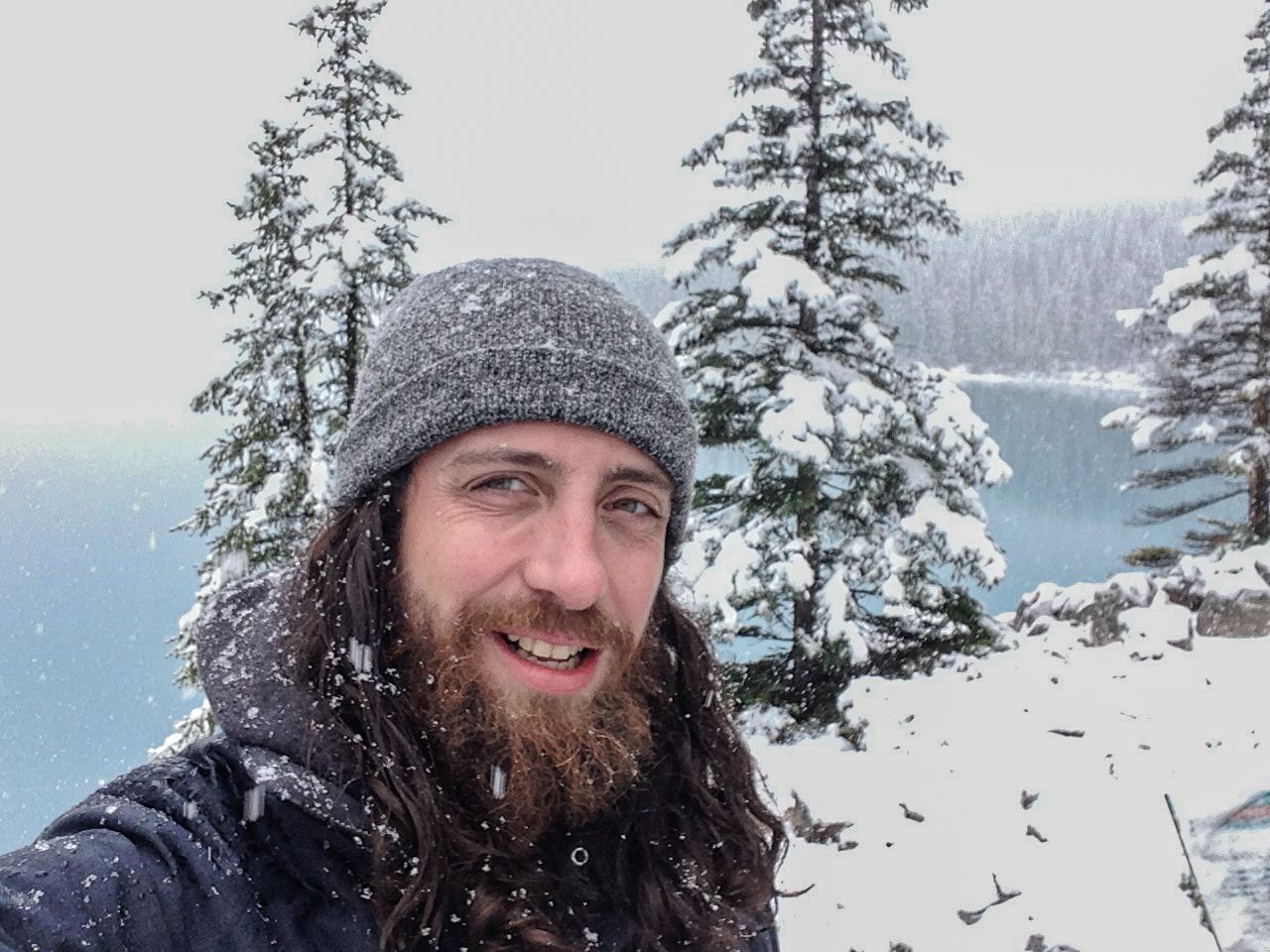
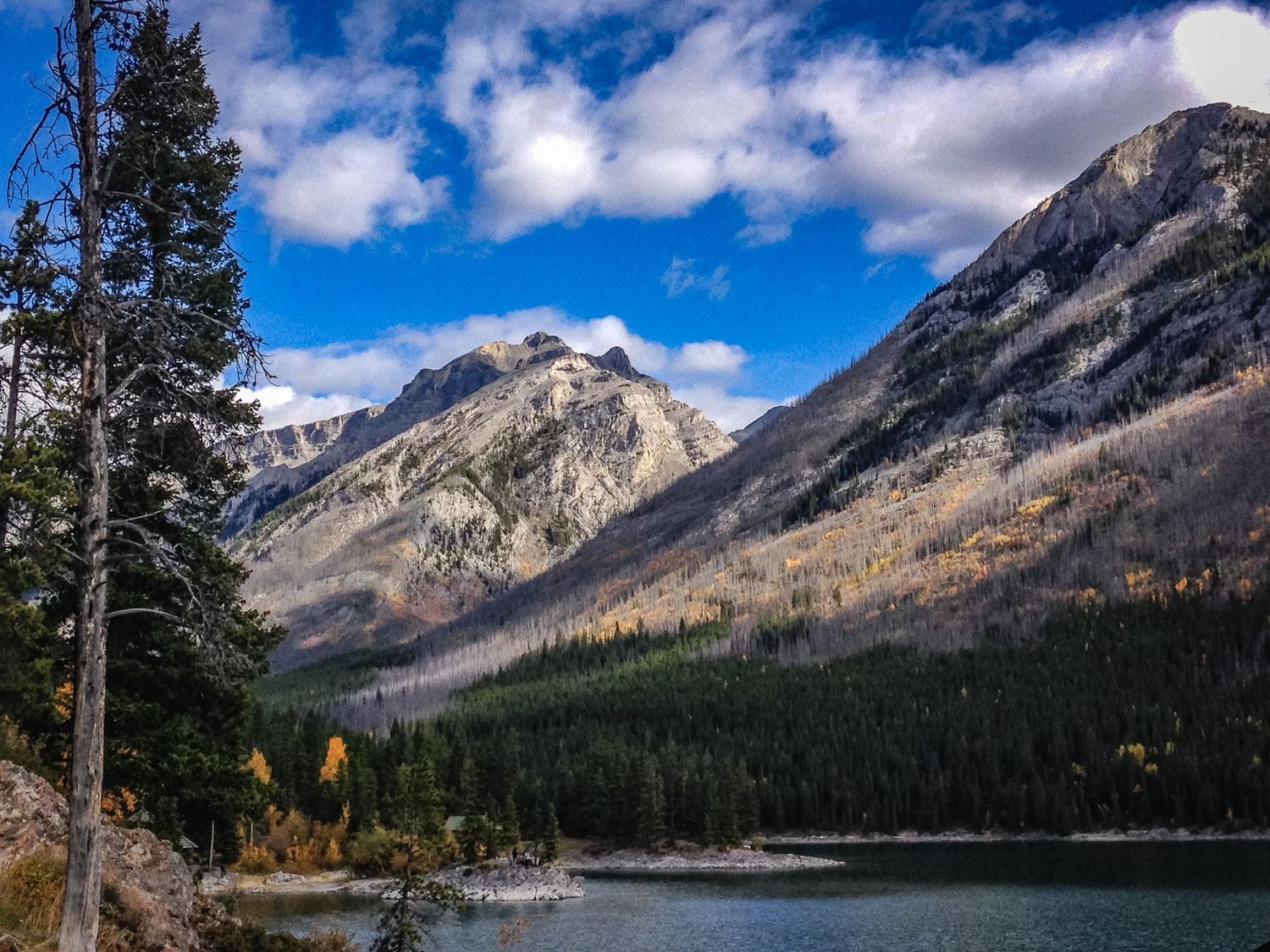
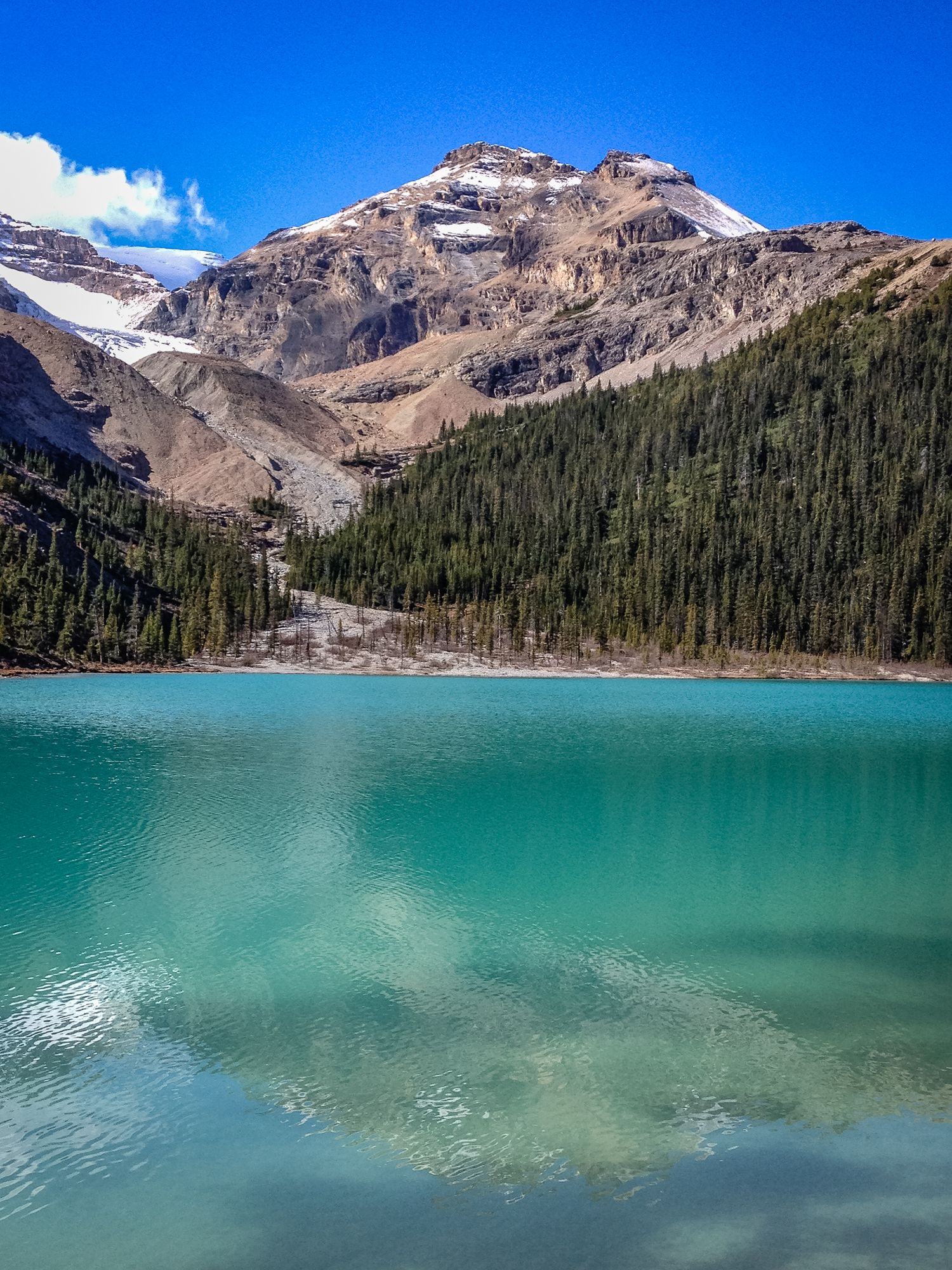
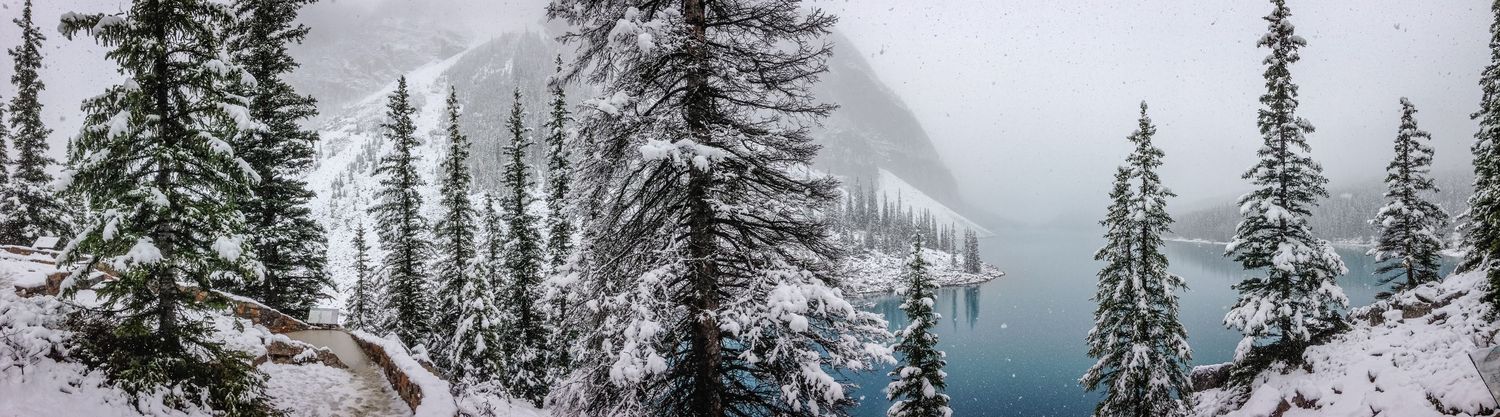
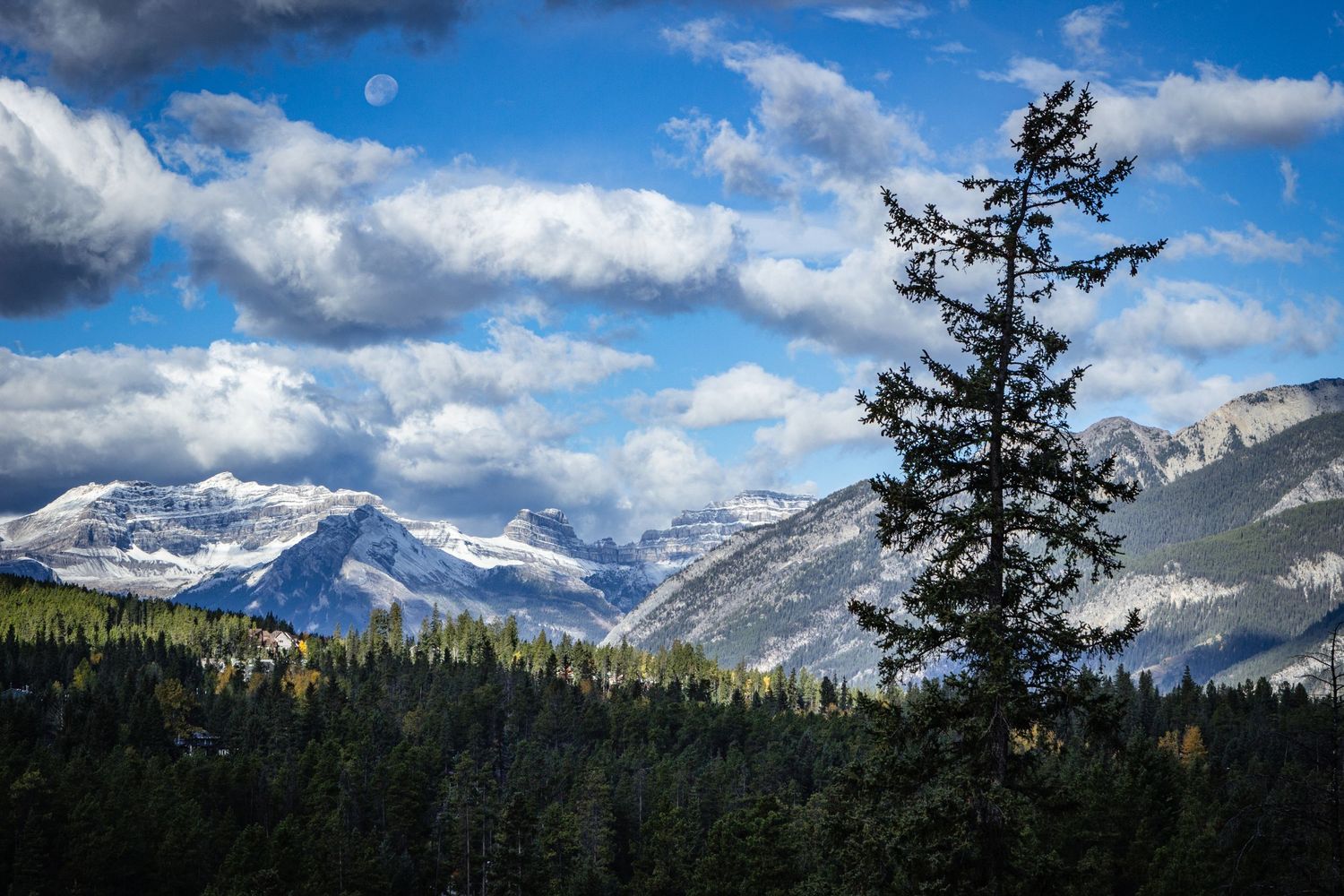
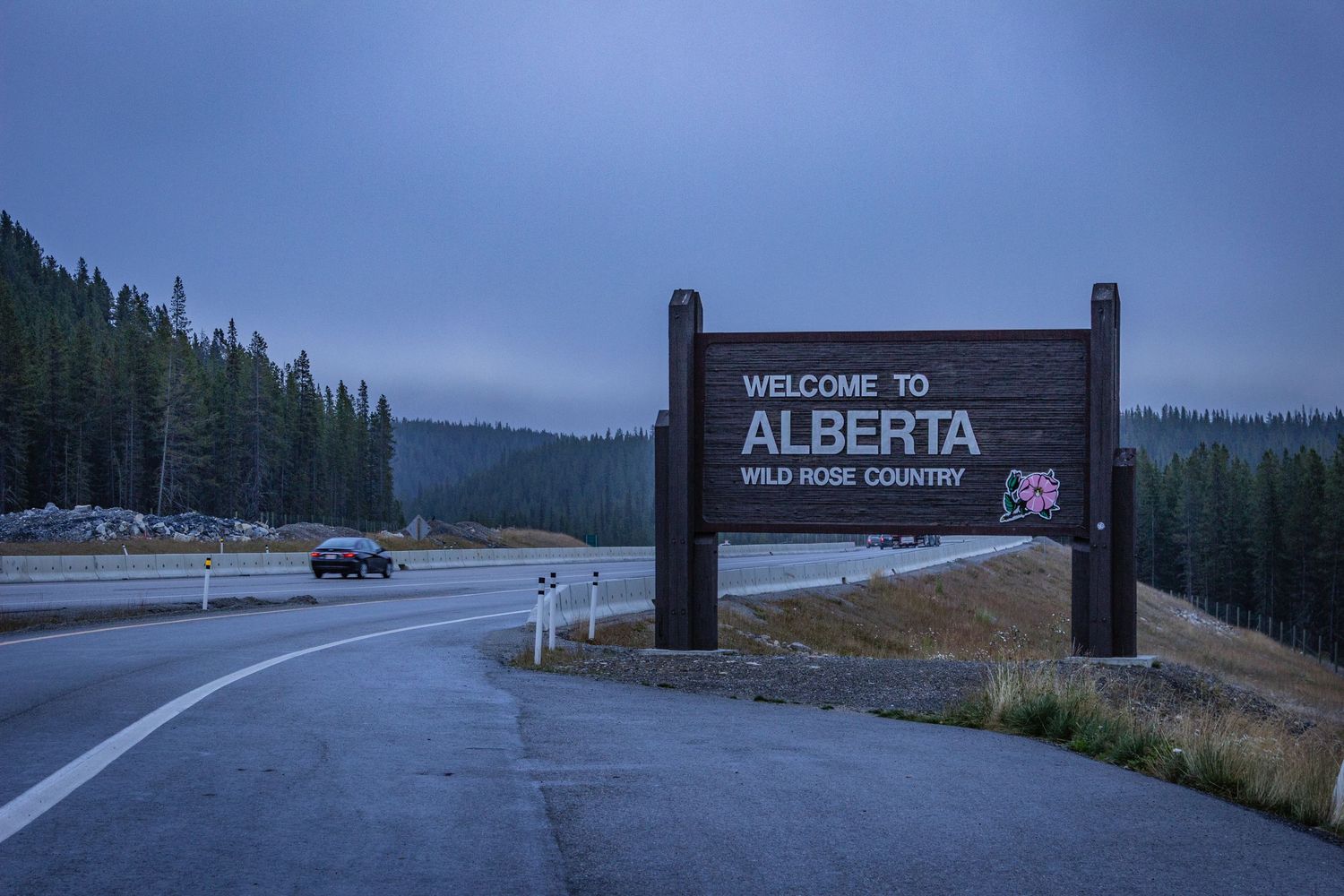
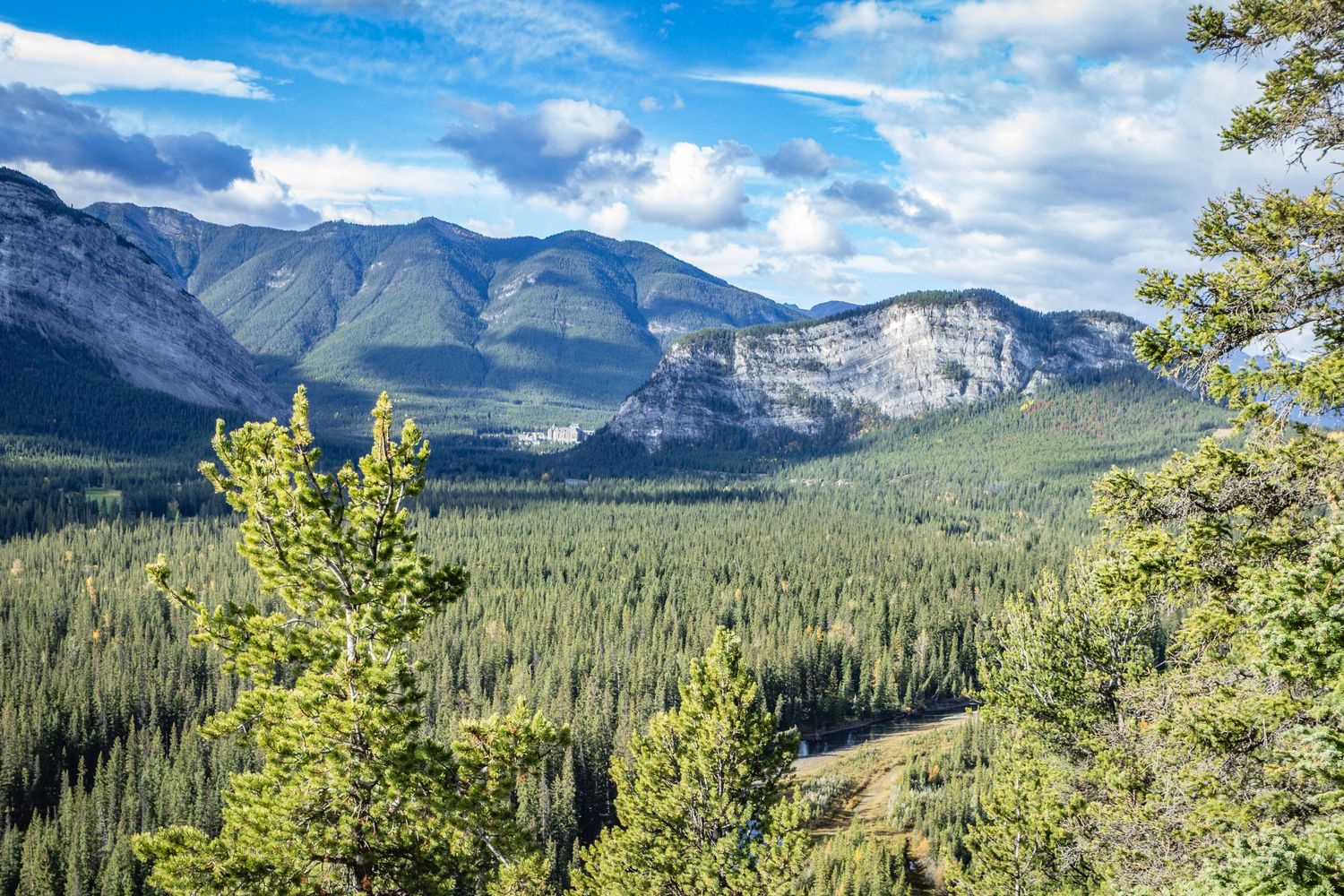
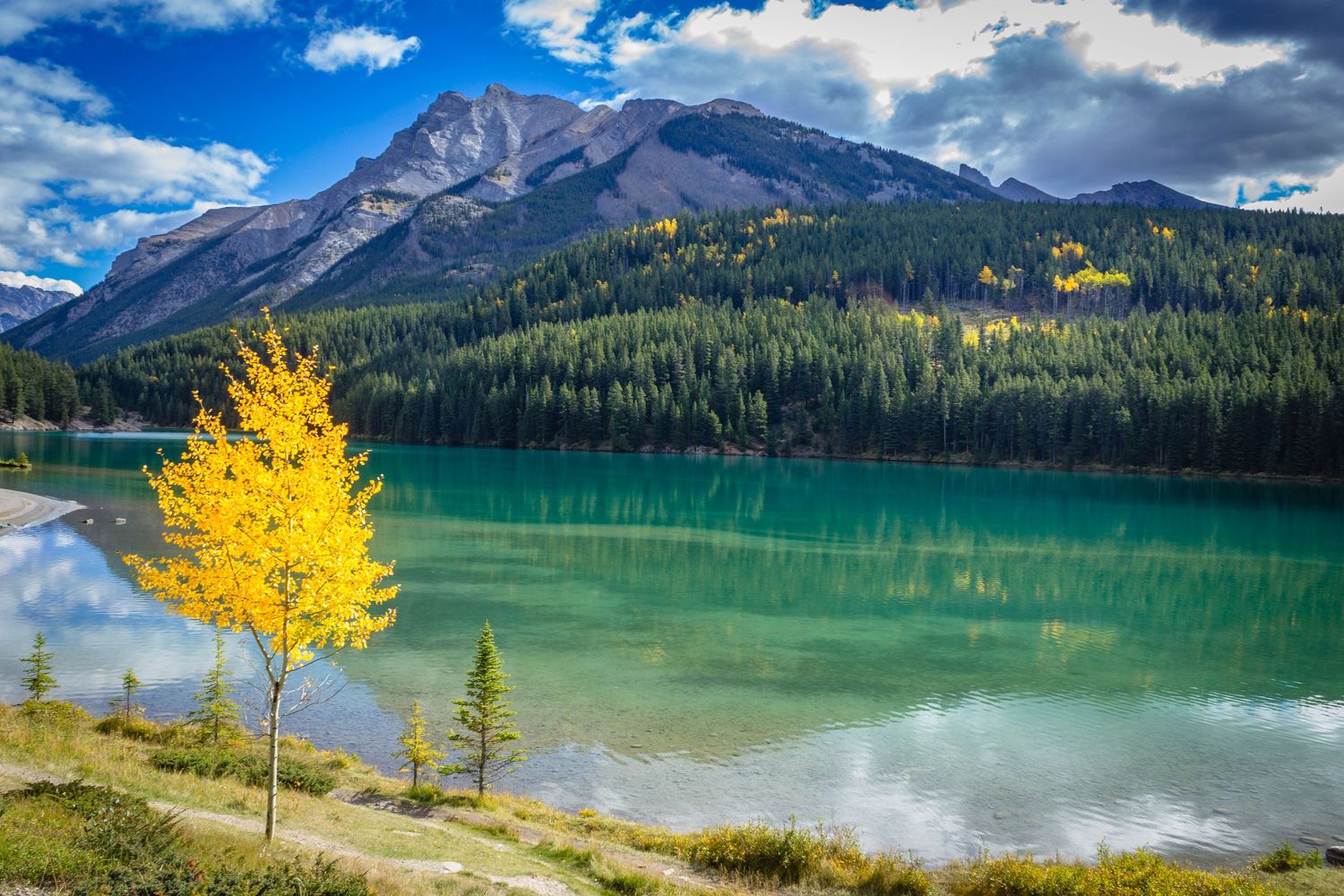
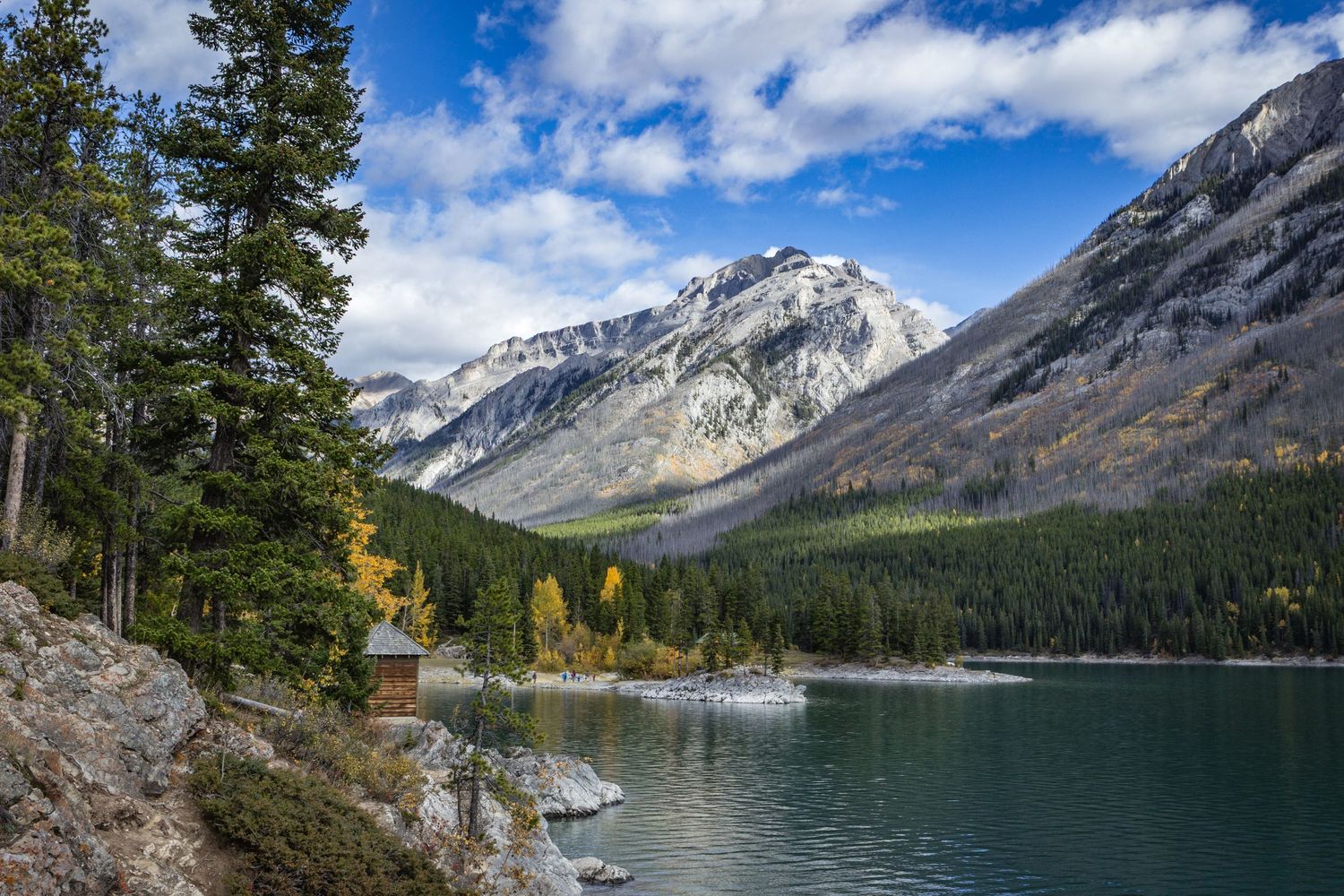
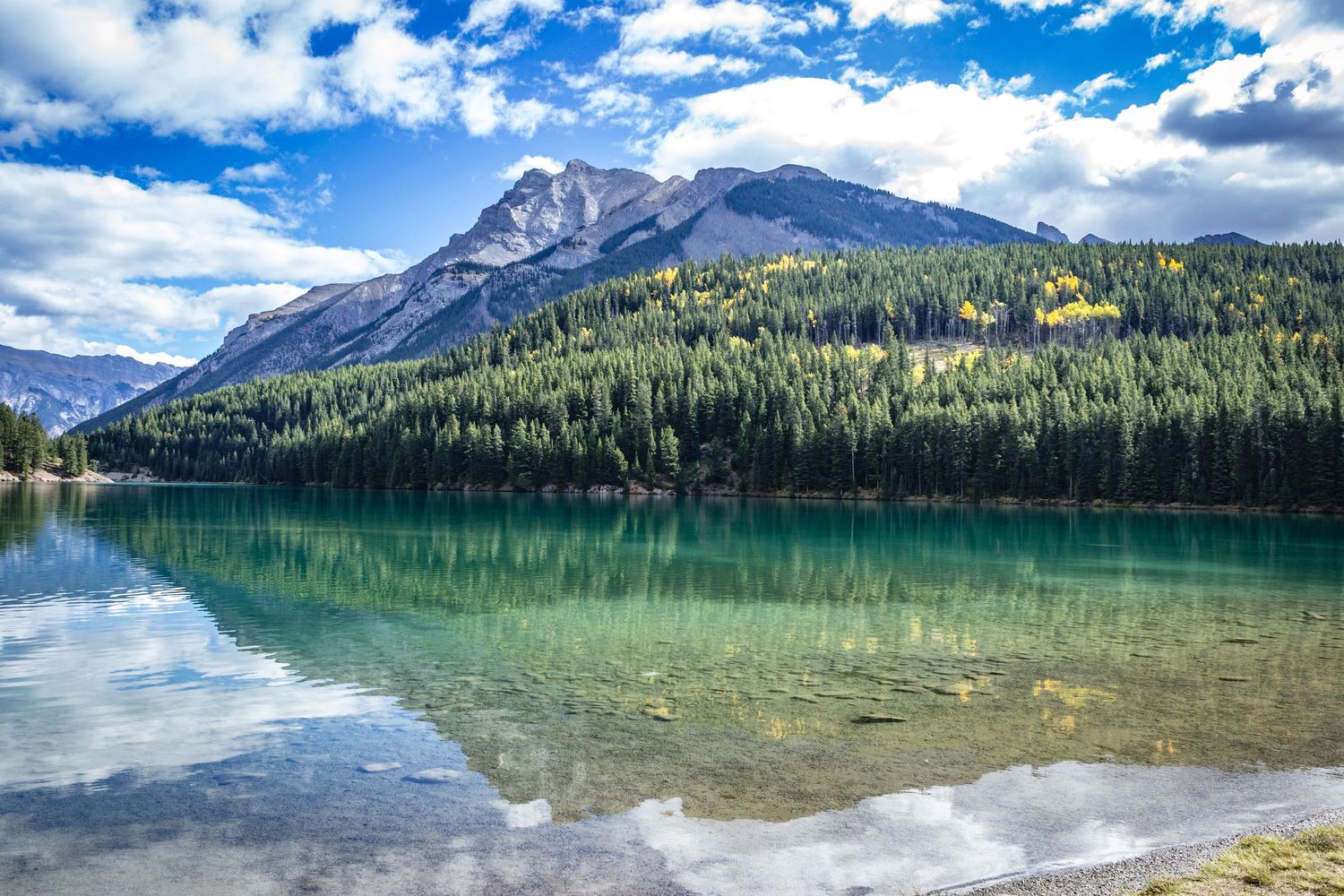
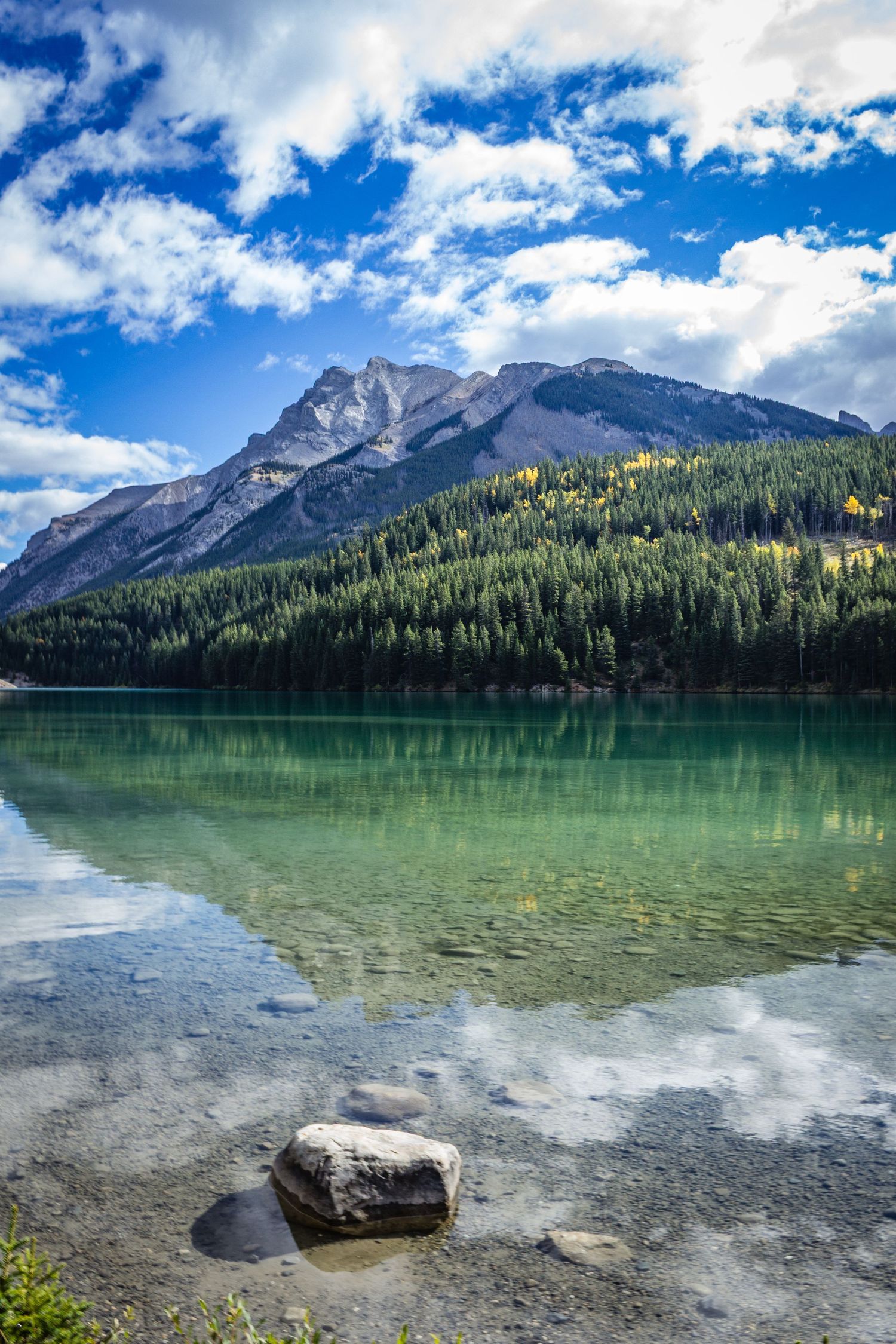
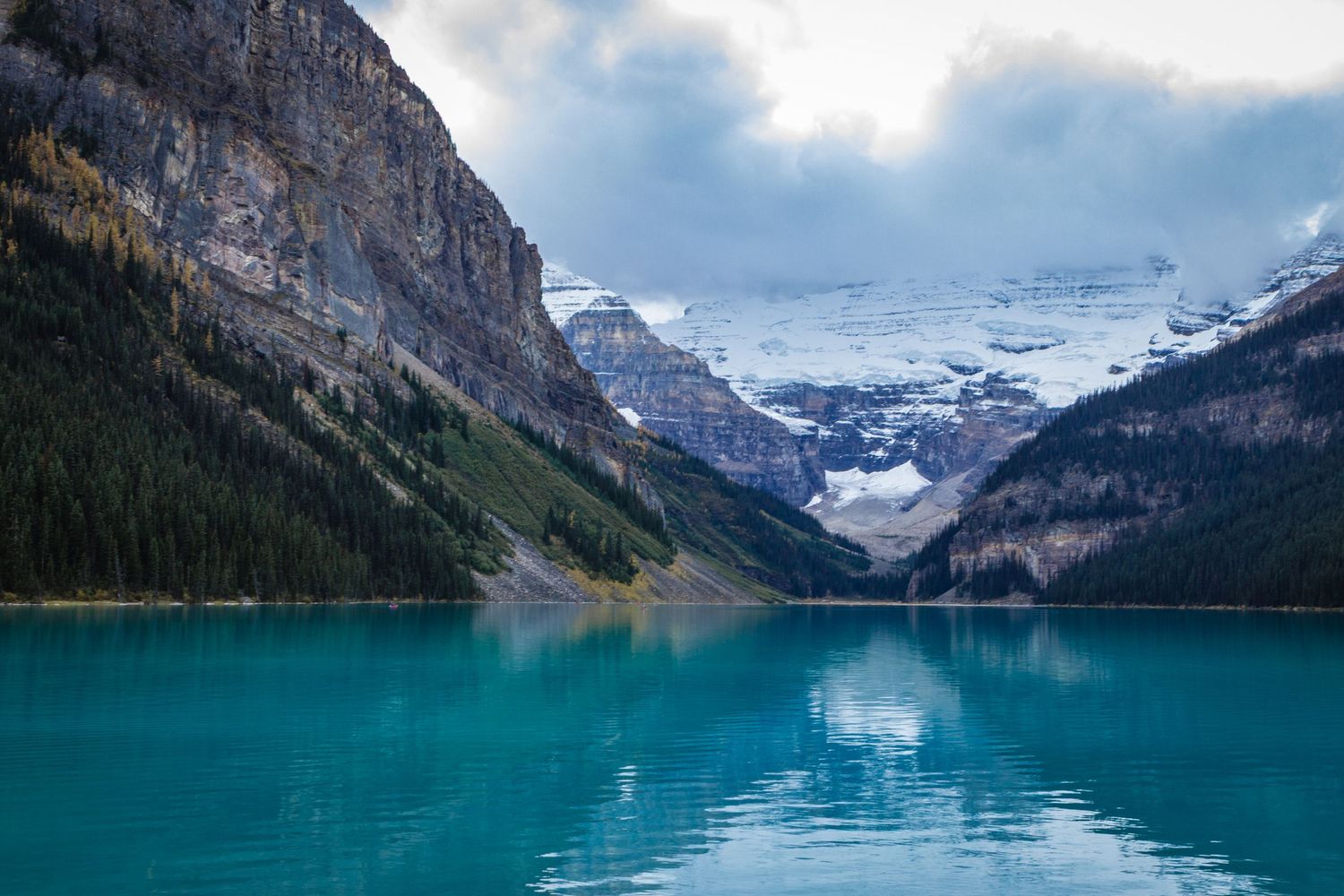
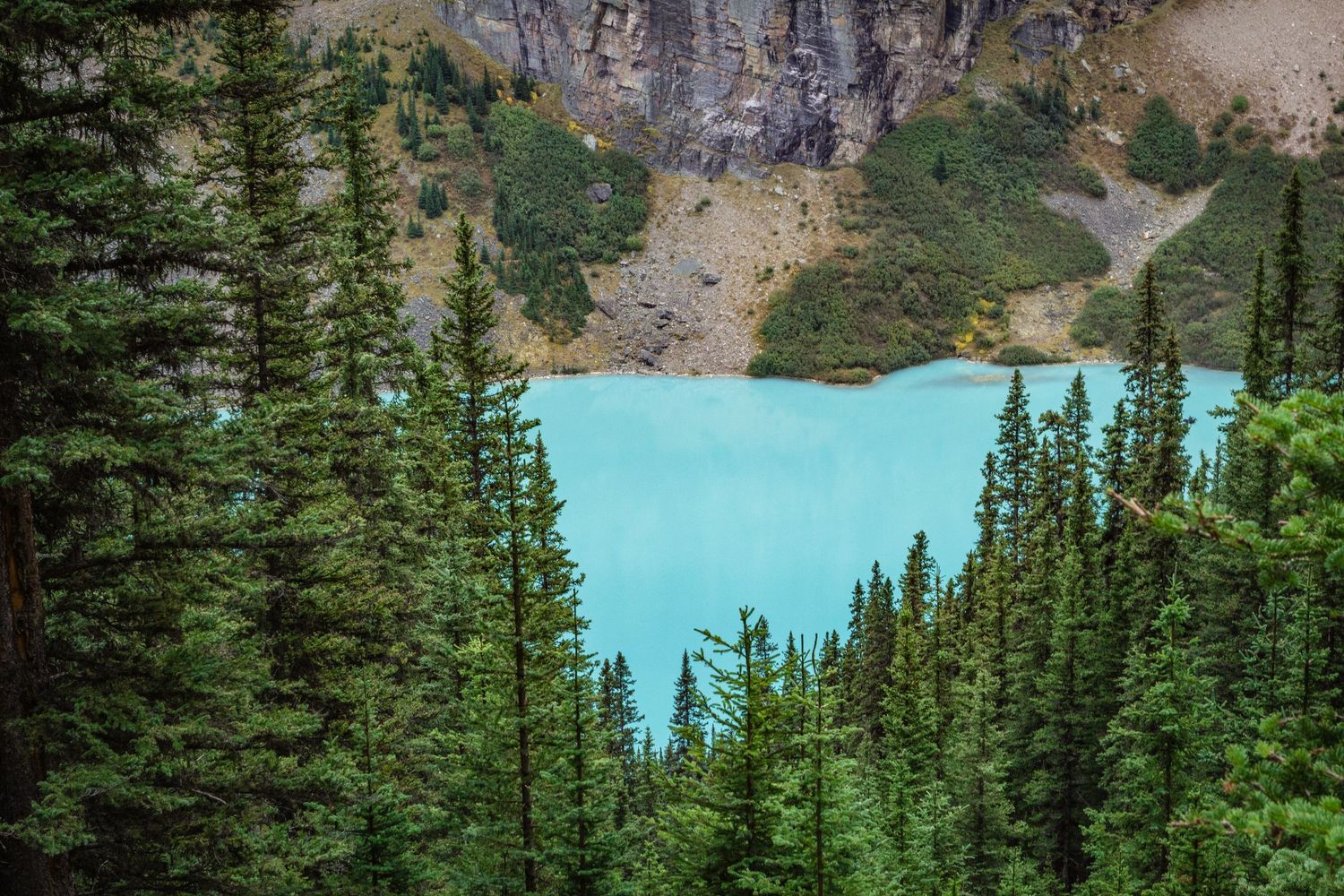
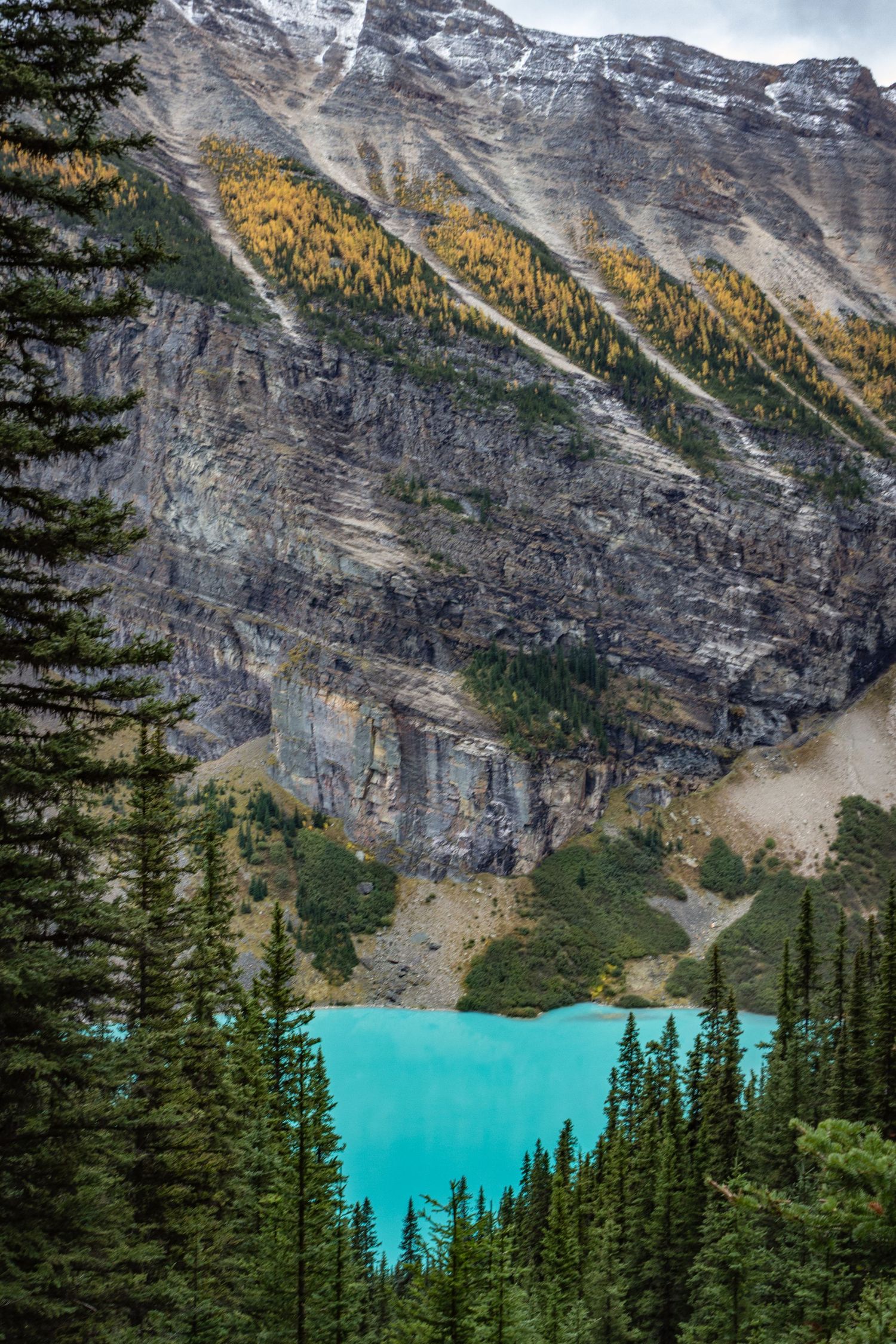
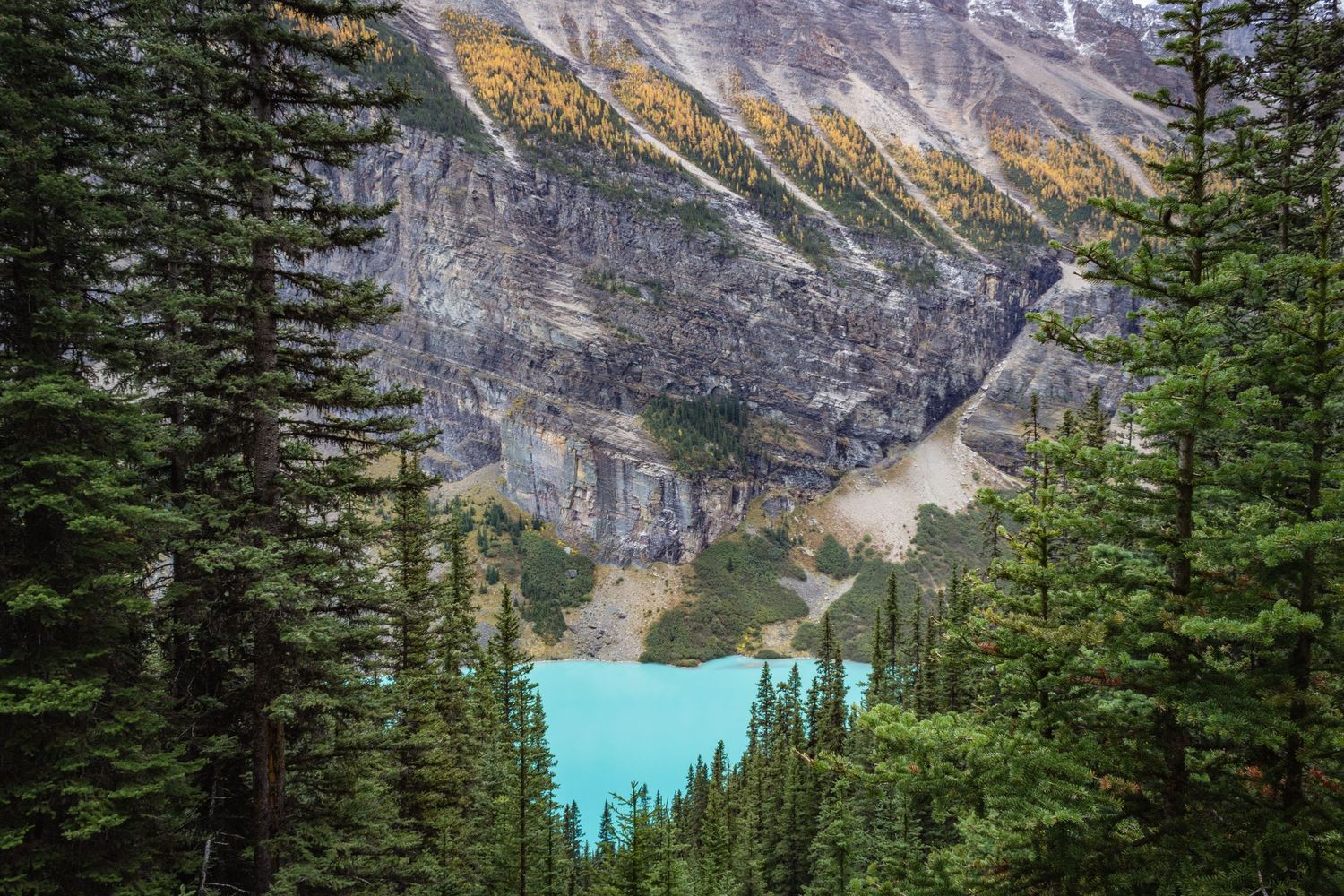
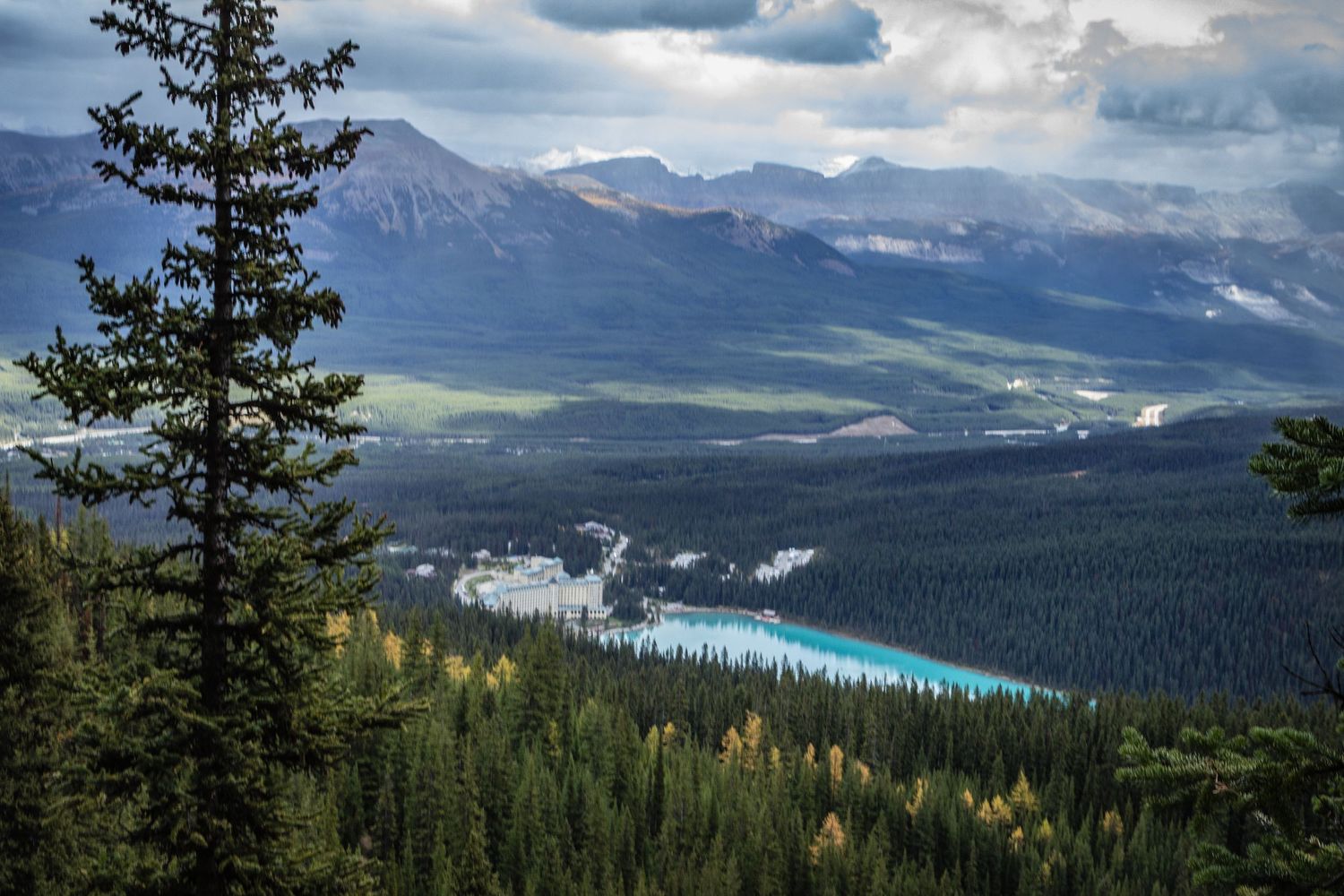
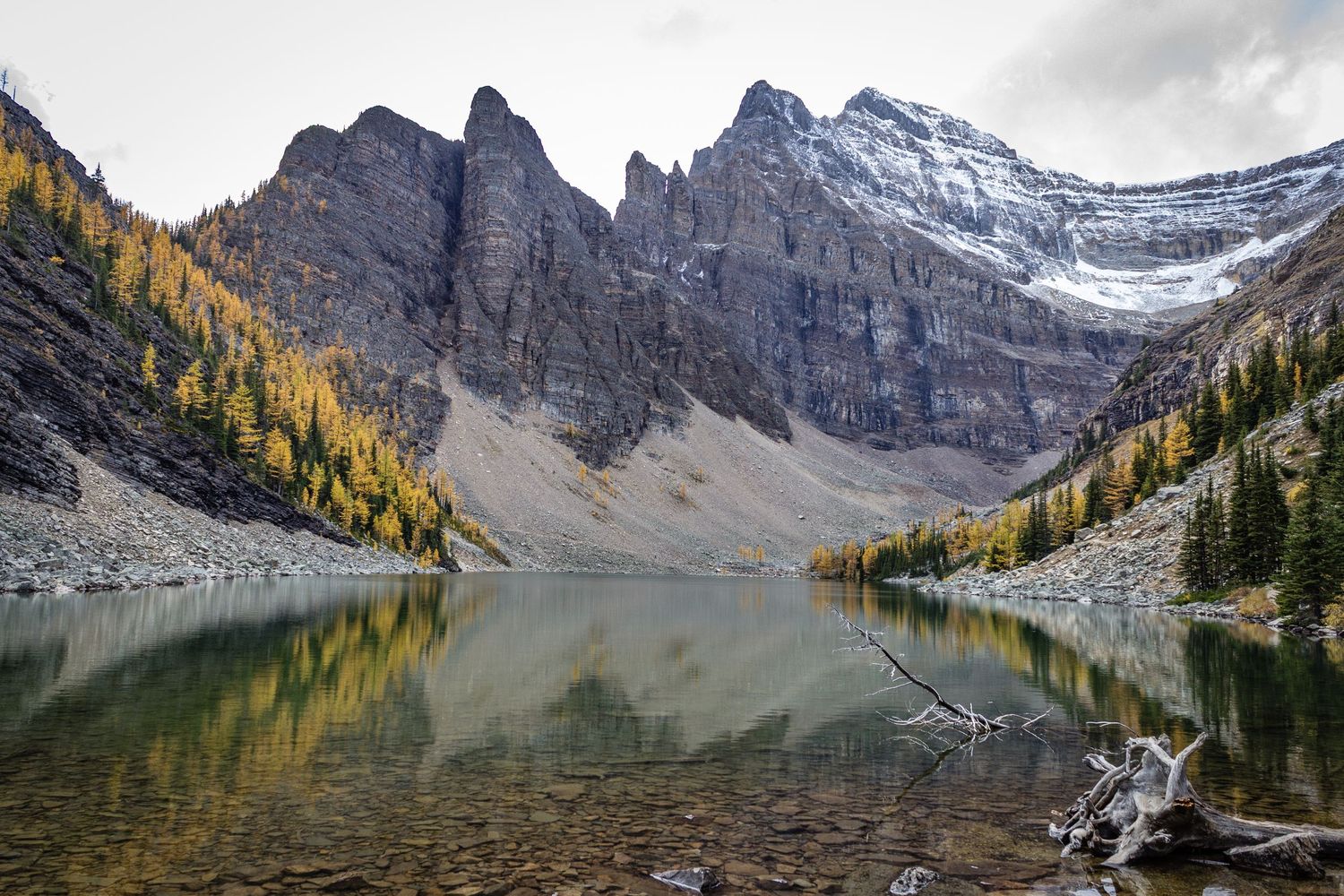
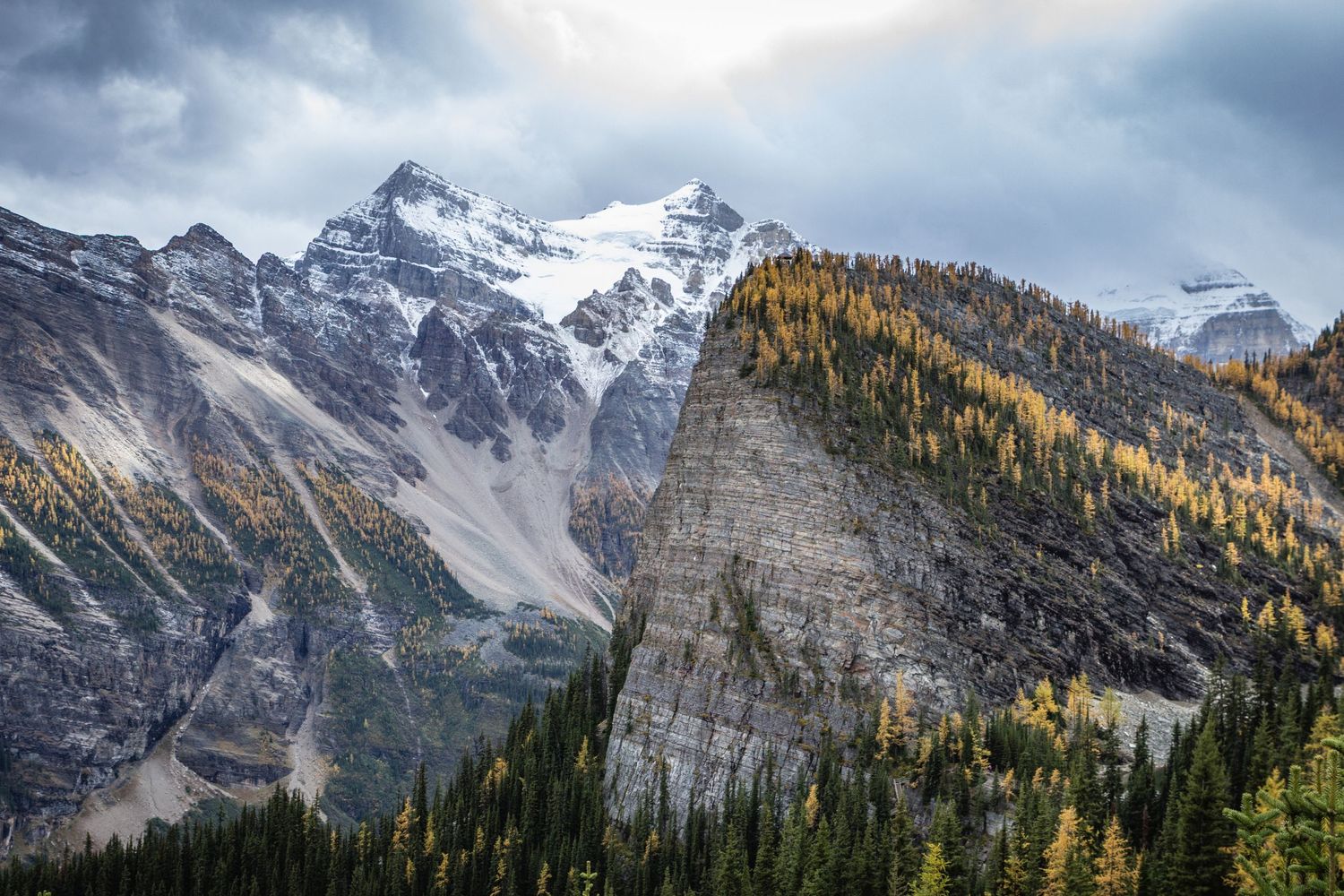
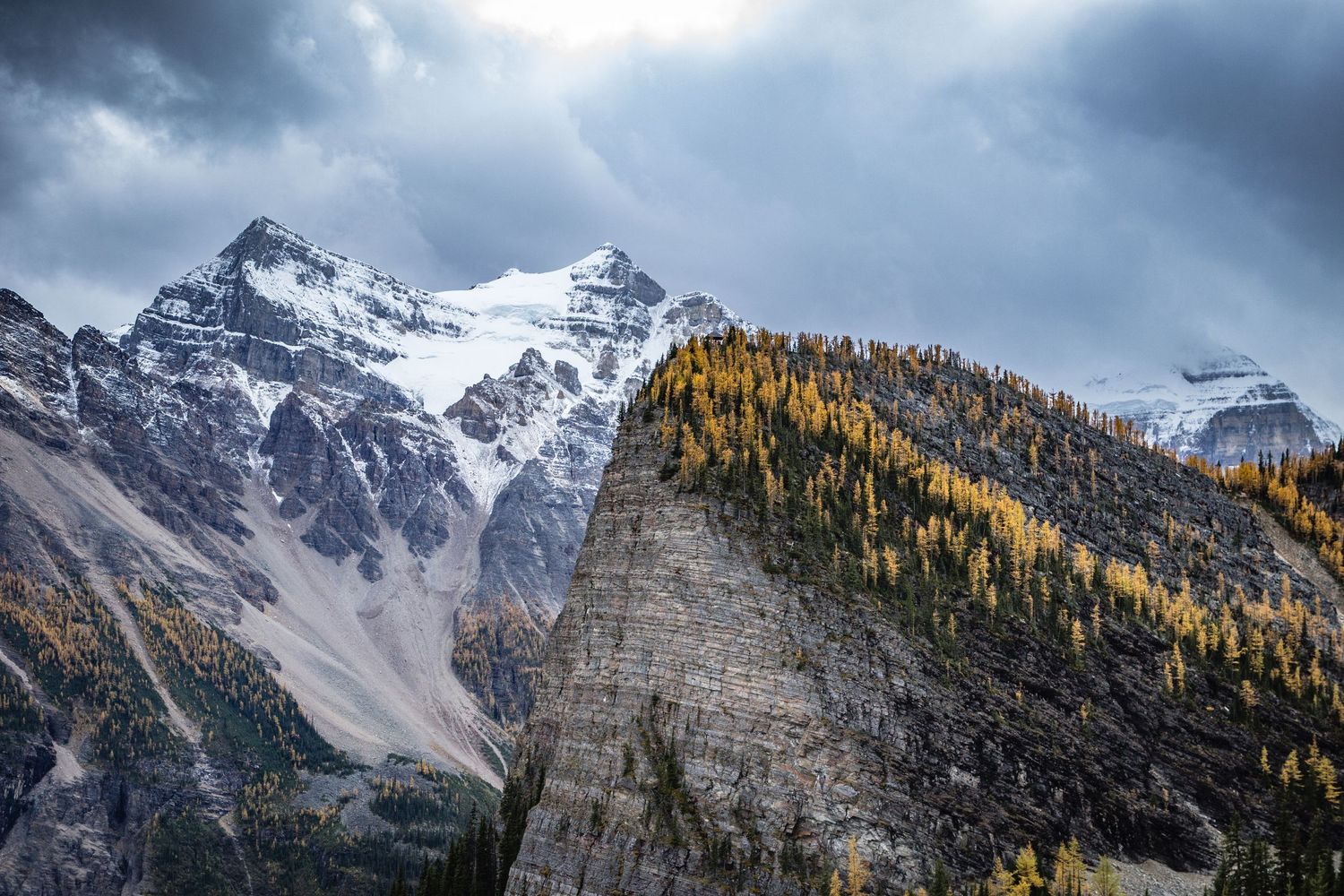
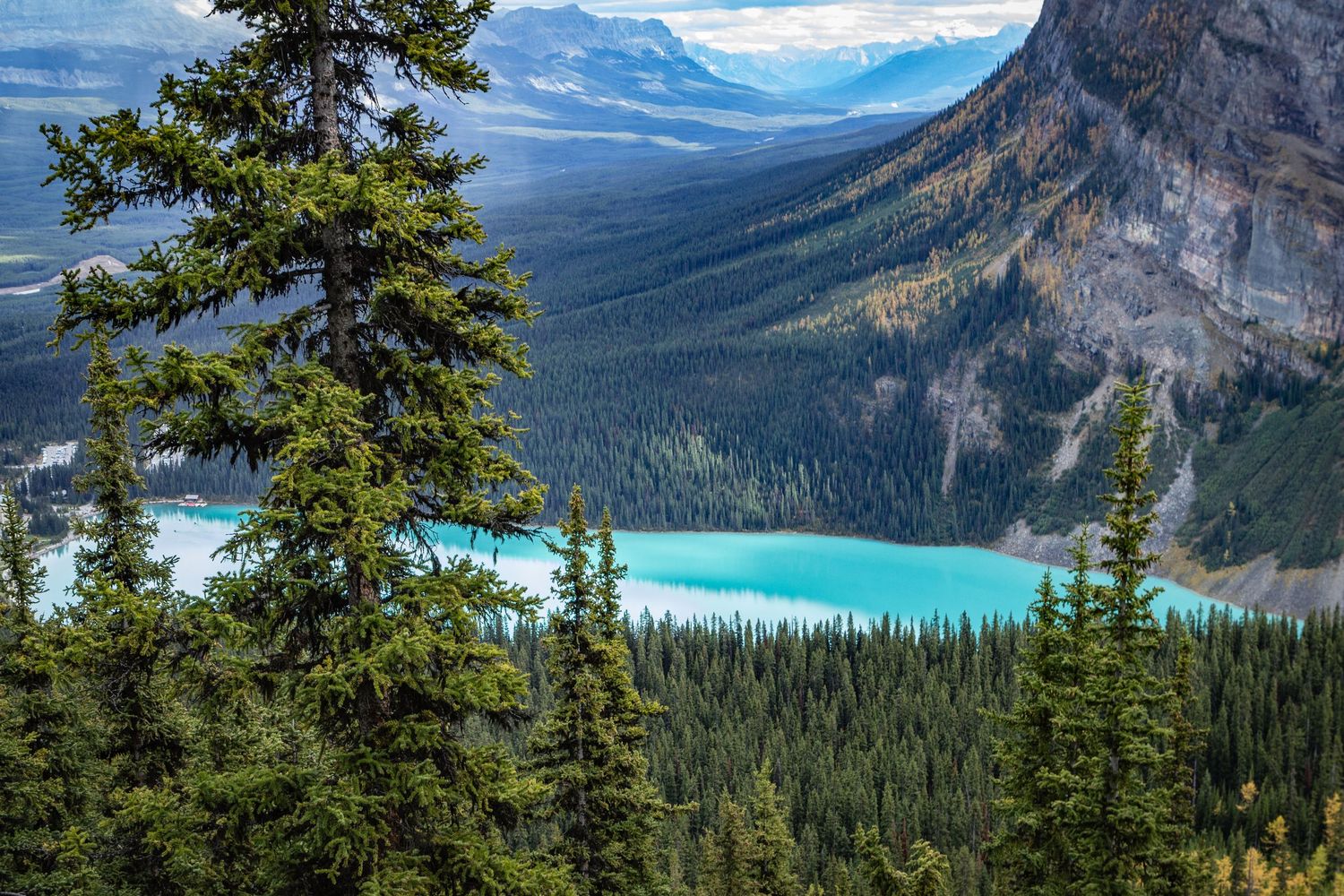
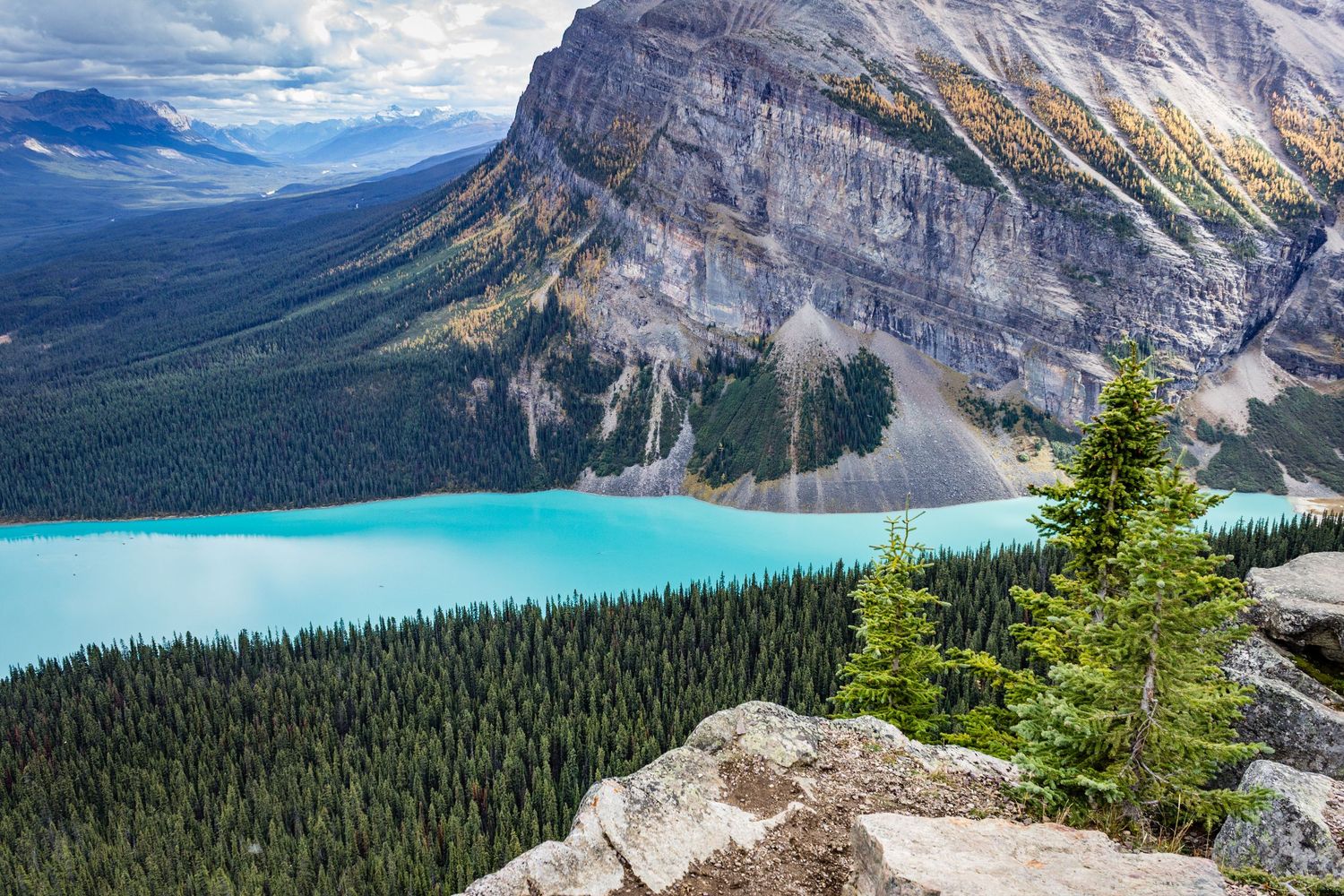
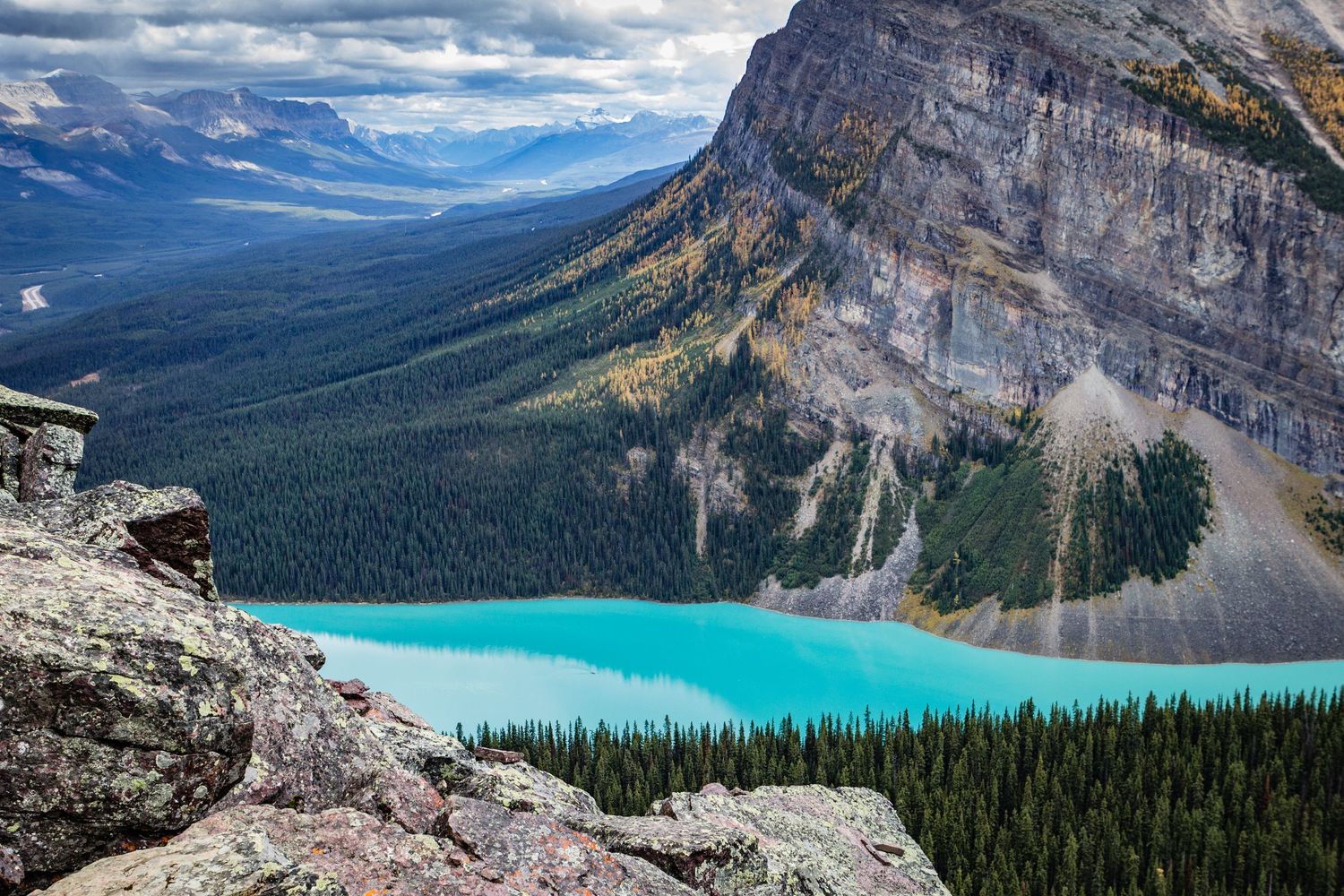
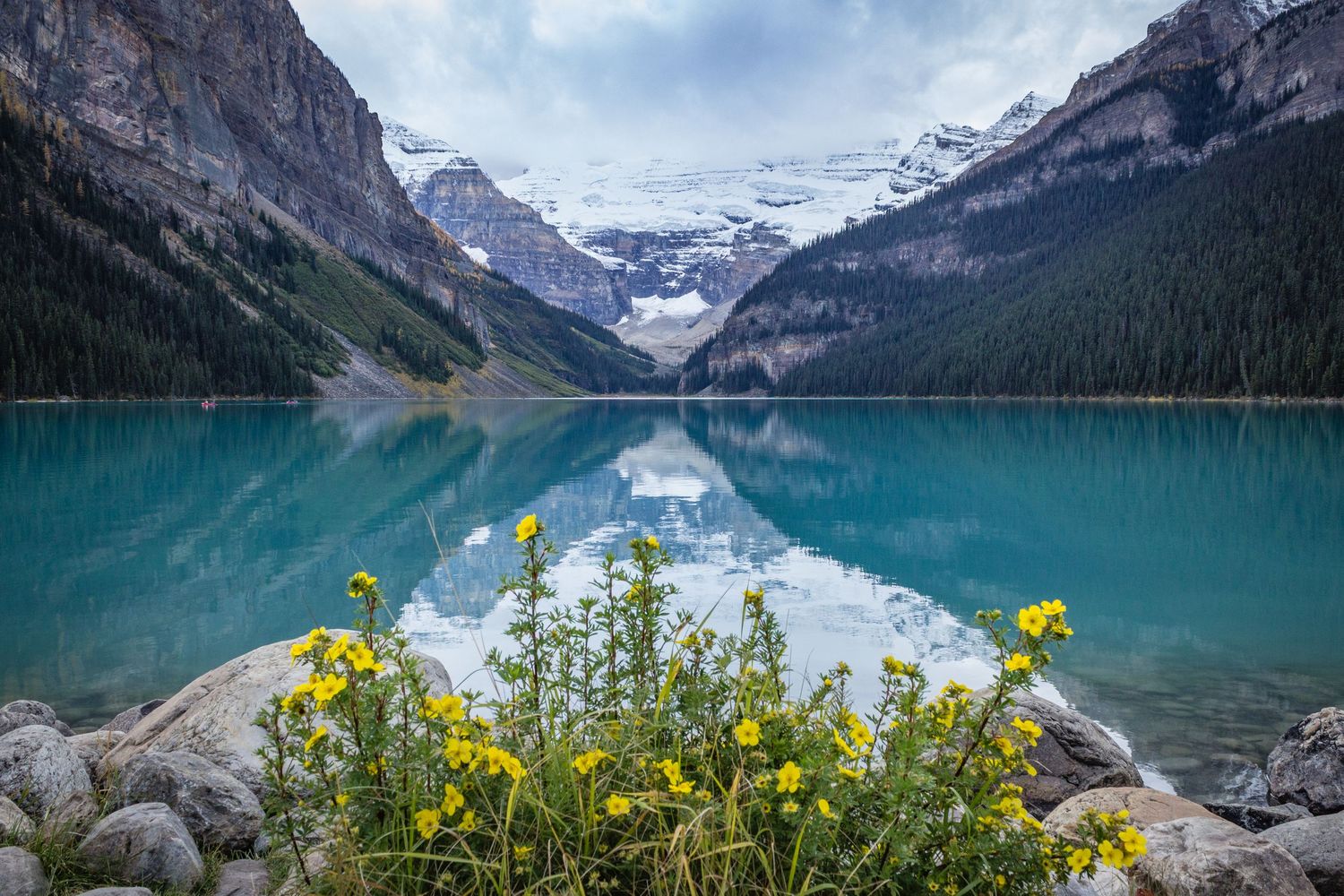
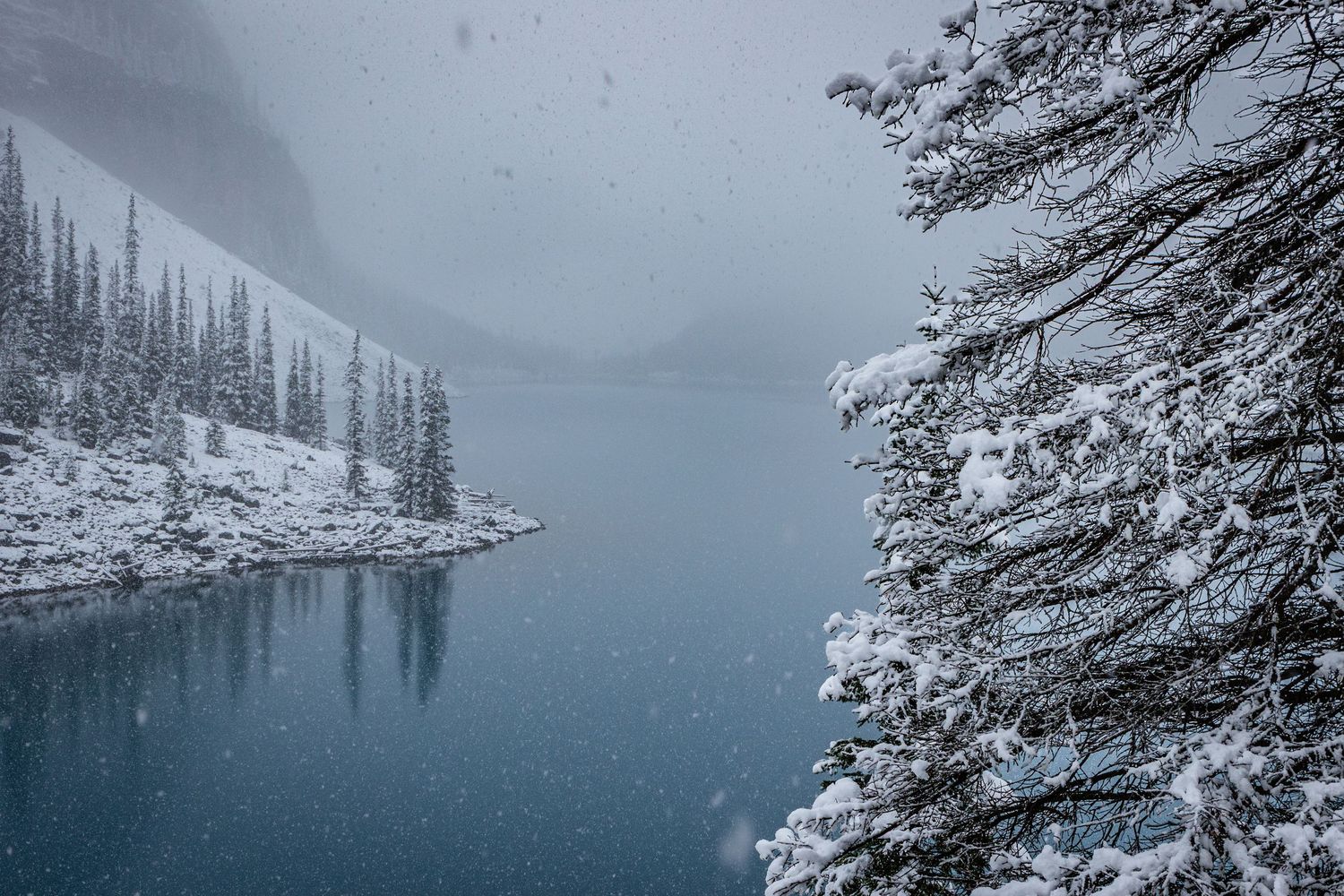
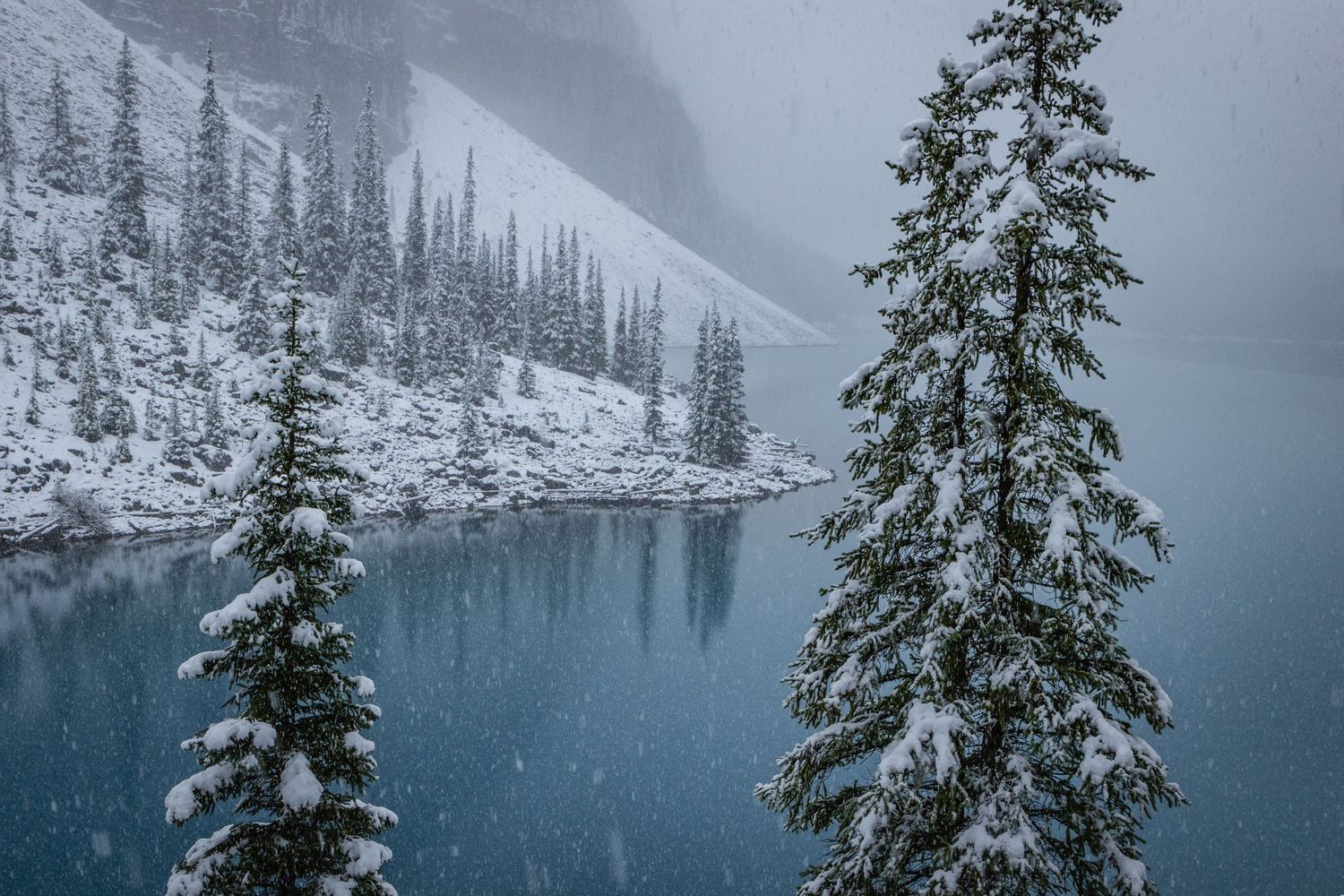
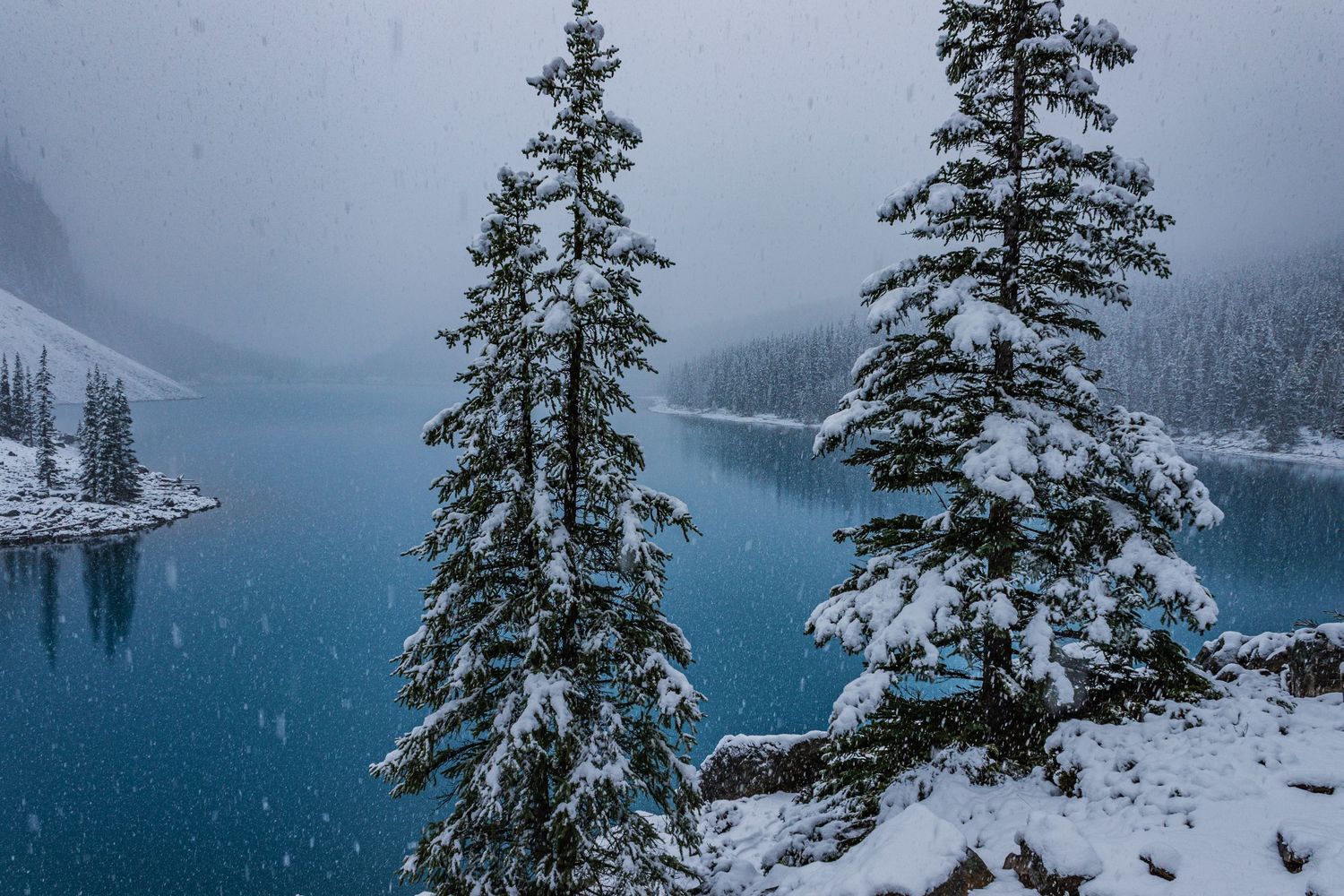
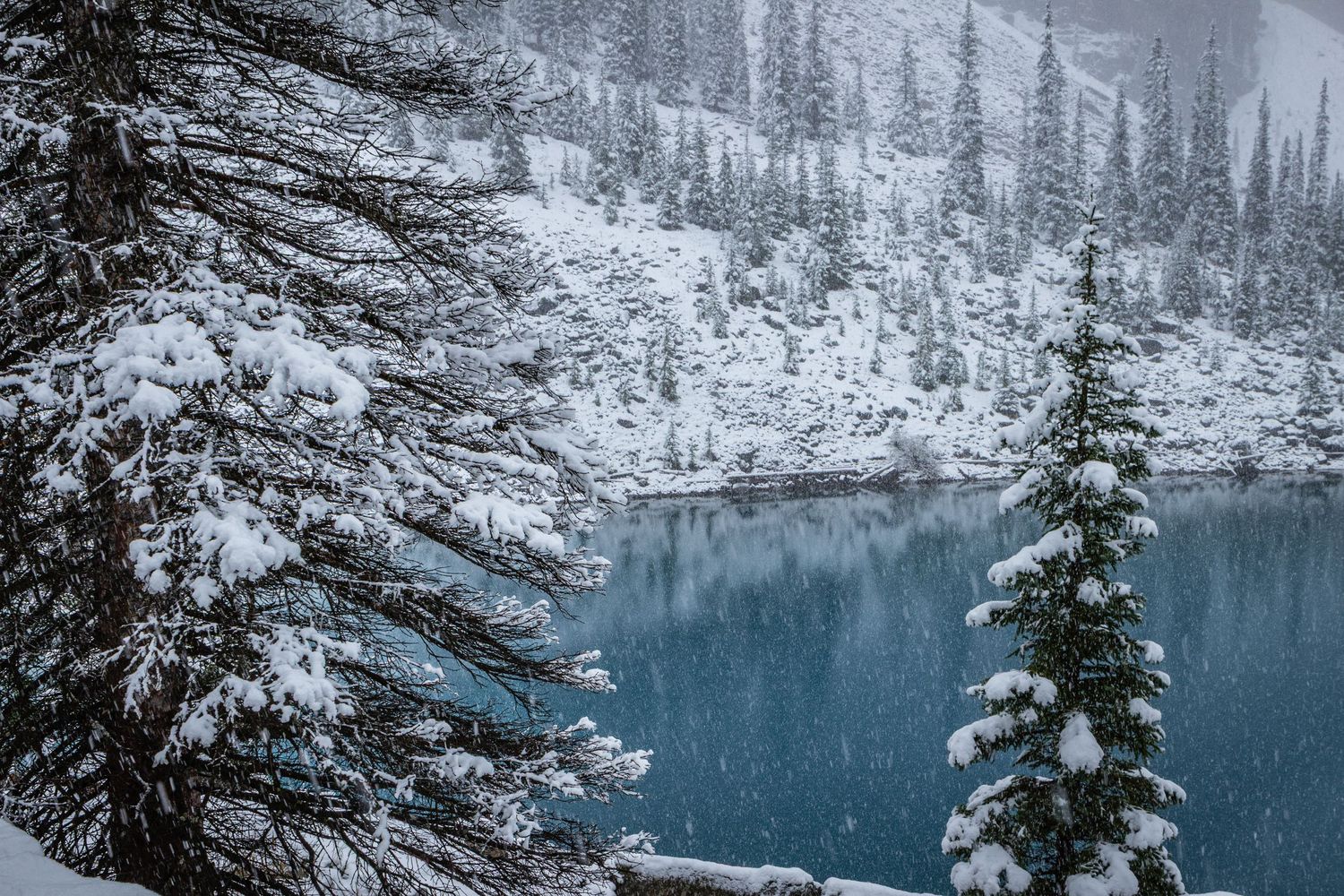
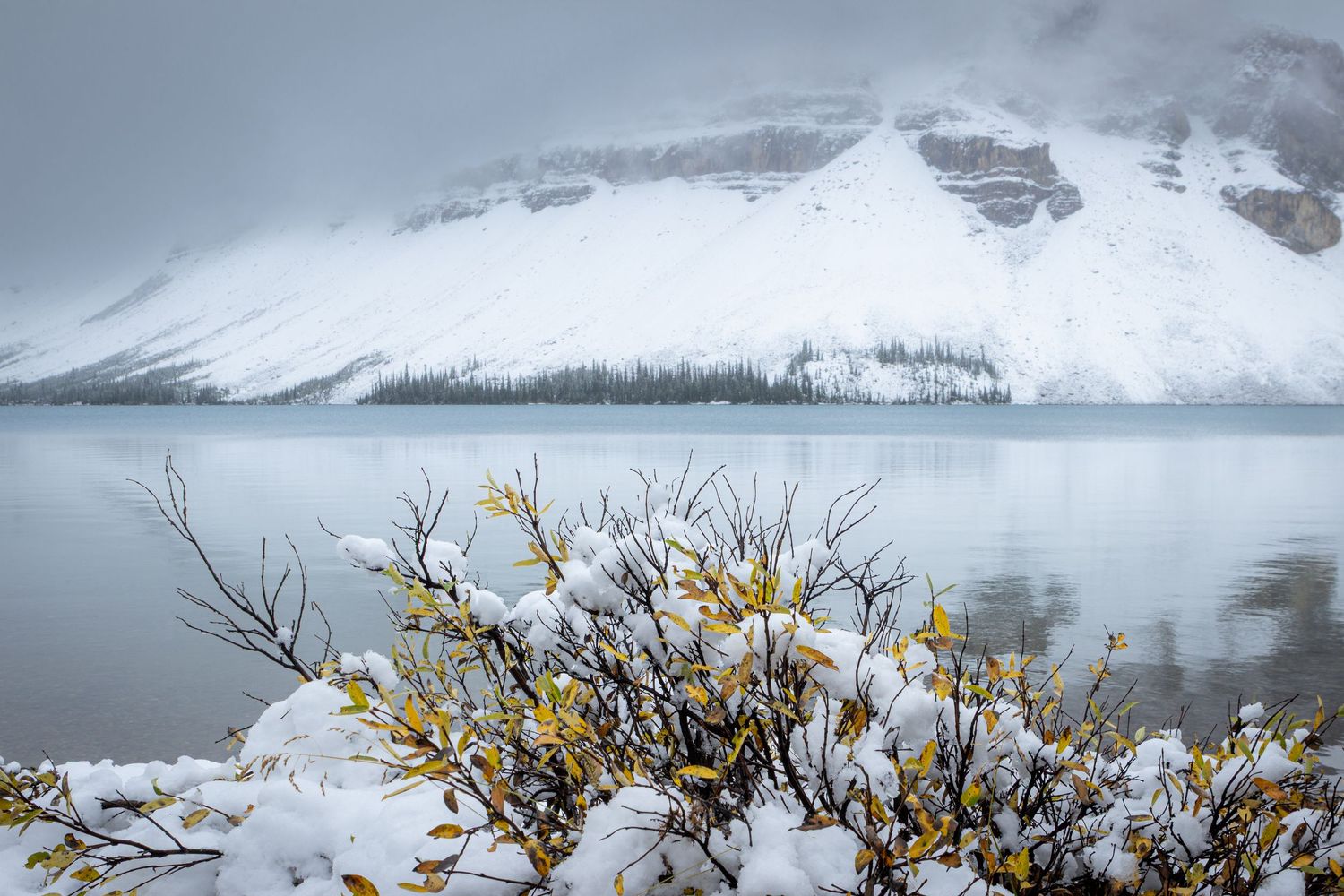
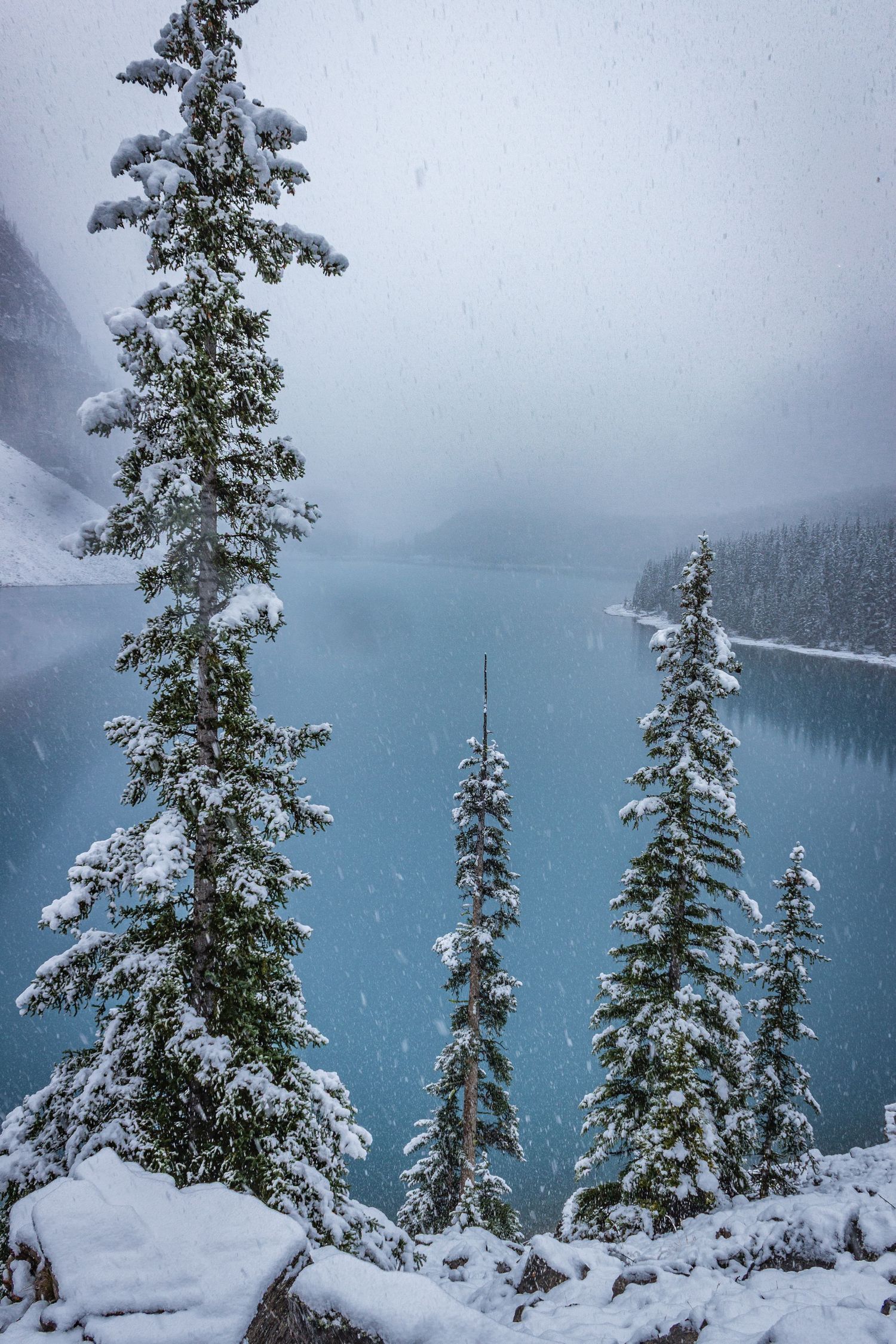
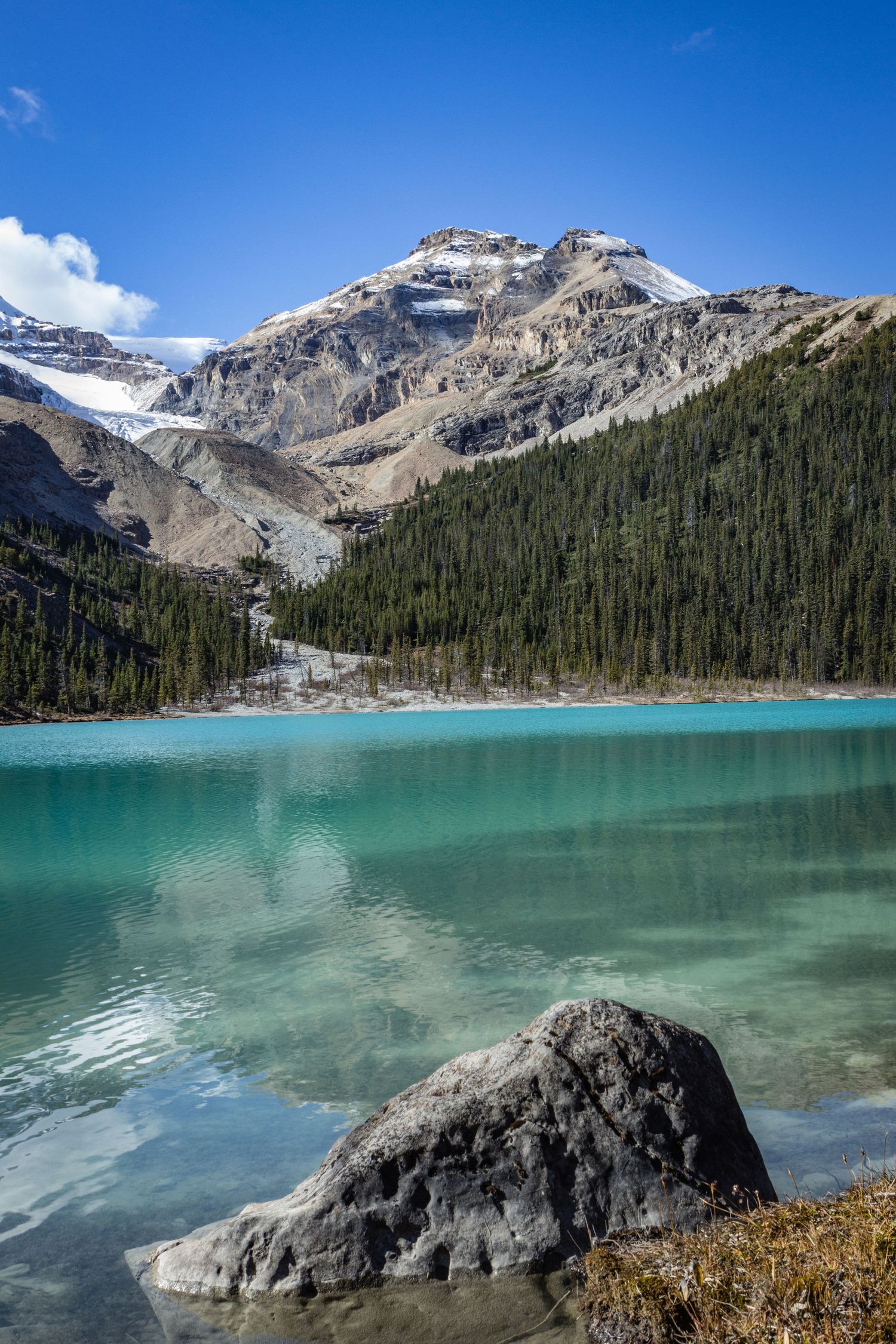
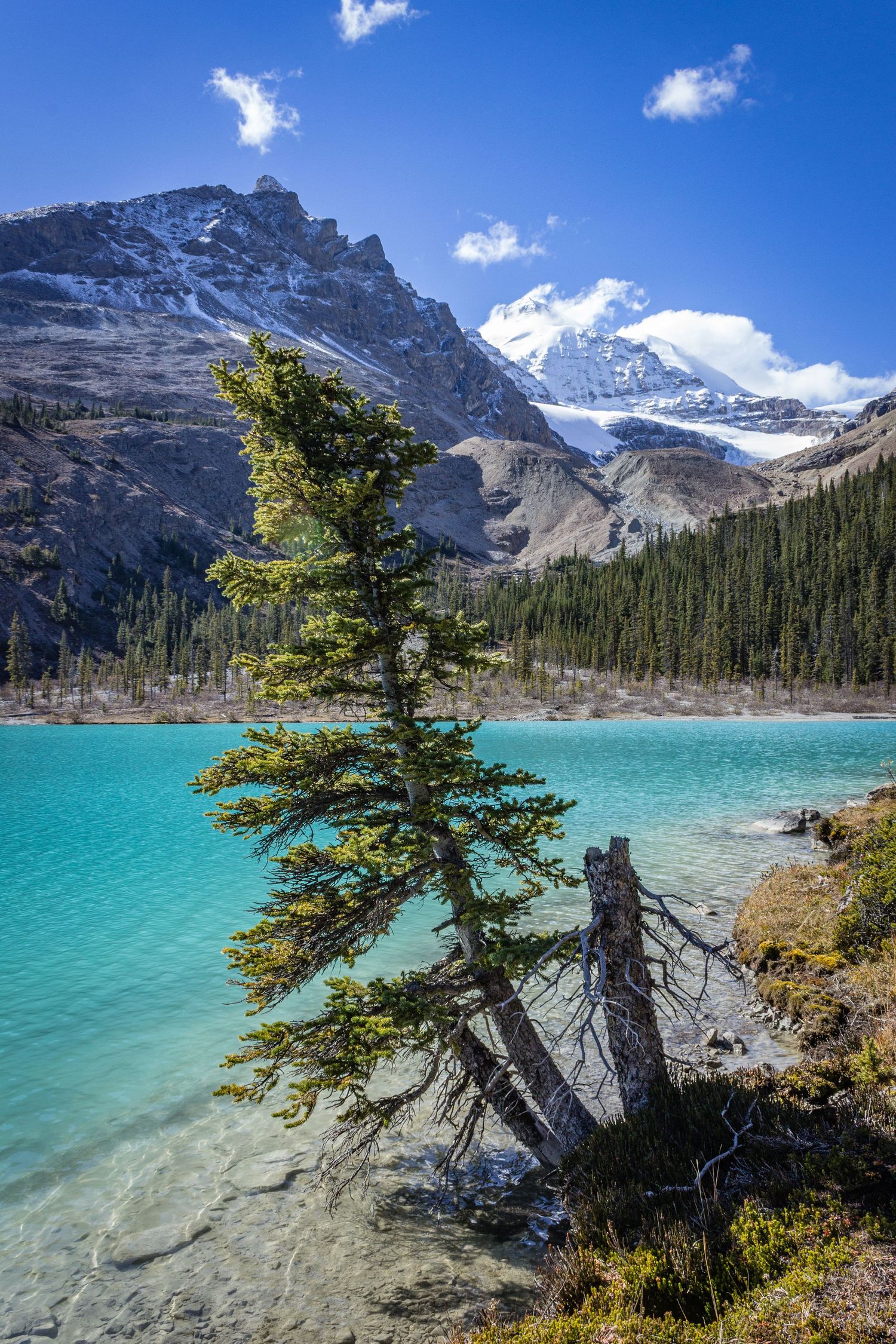
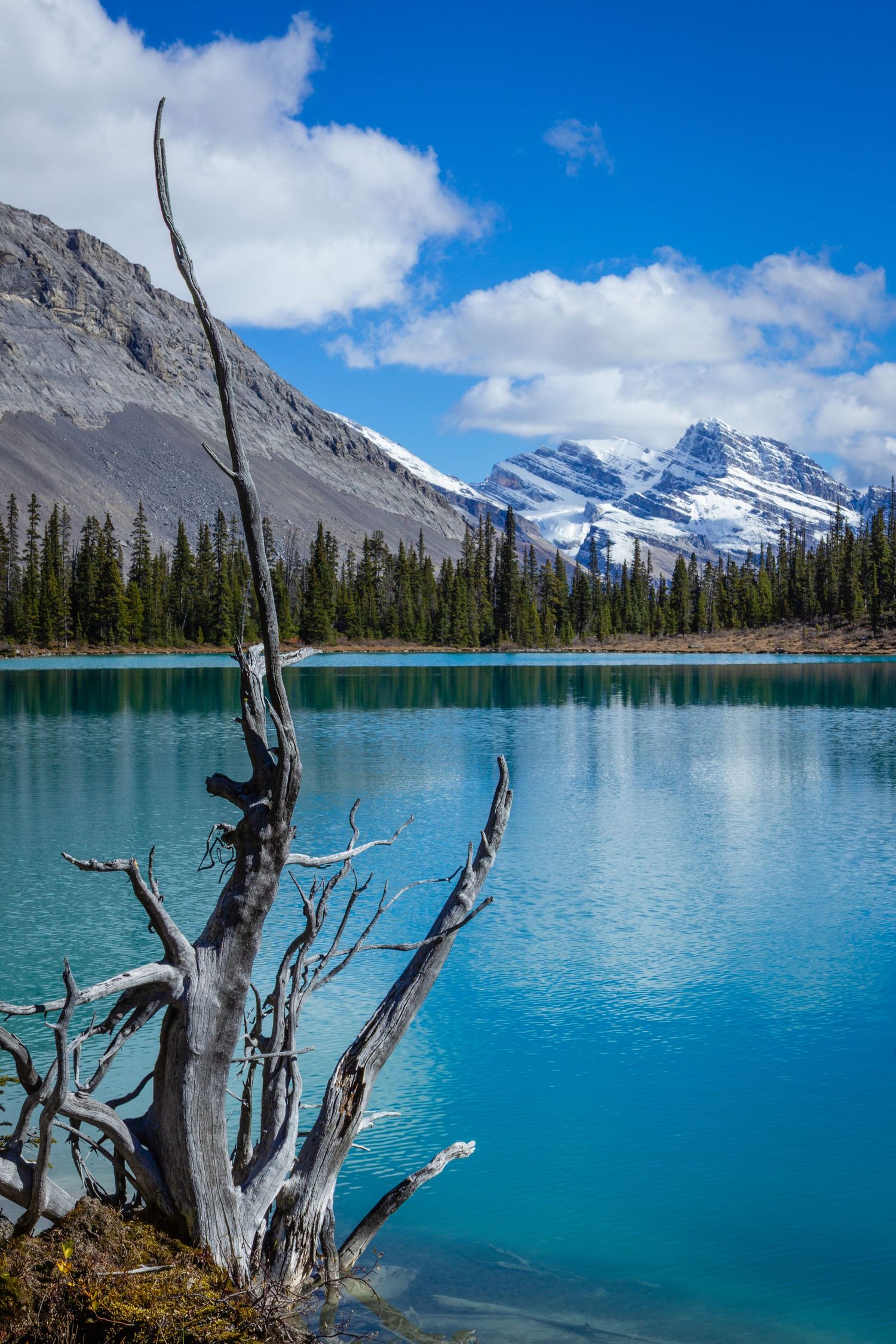
Crossing into Alberta brought the Rockies fully into view. Lake Louise arrived first, its familiar turquoise muted under overcast skies, the surrounding peaks already carrying snow. Moraine Lake followed, quieter and colder, its deep blue surface framed by snow-dusted ridgelines. Seeing it partially frozen gave the landscape a stillness that felt rare and fleeting. Bow Lake sat further along the road, wide and calm, reflecting the sky in softer tones, less dramatic but no less striking.
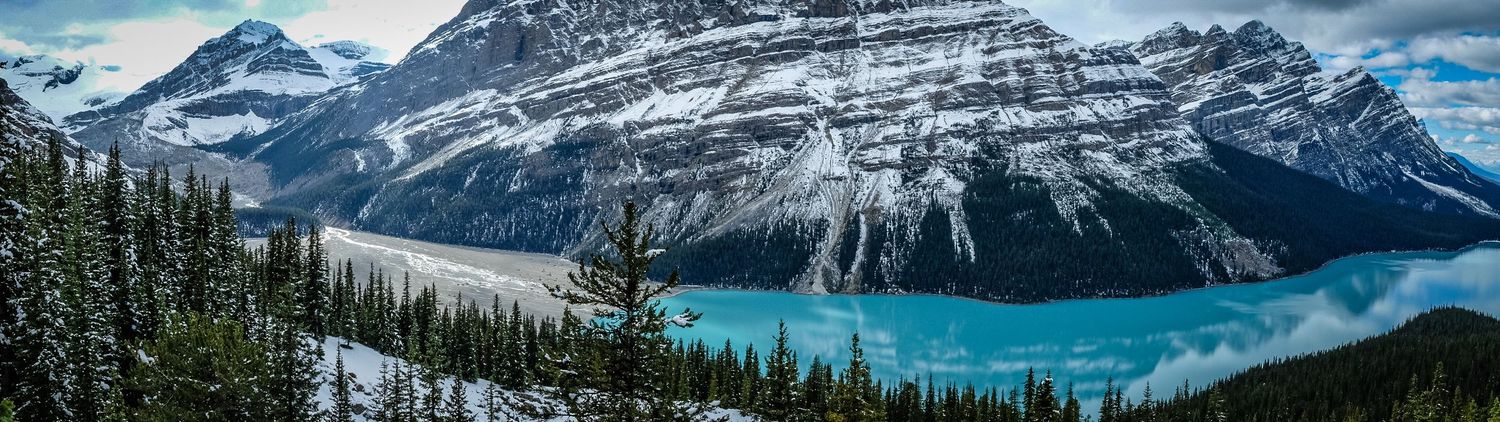
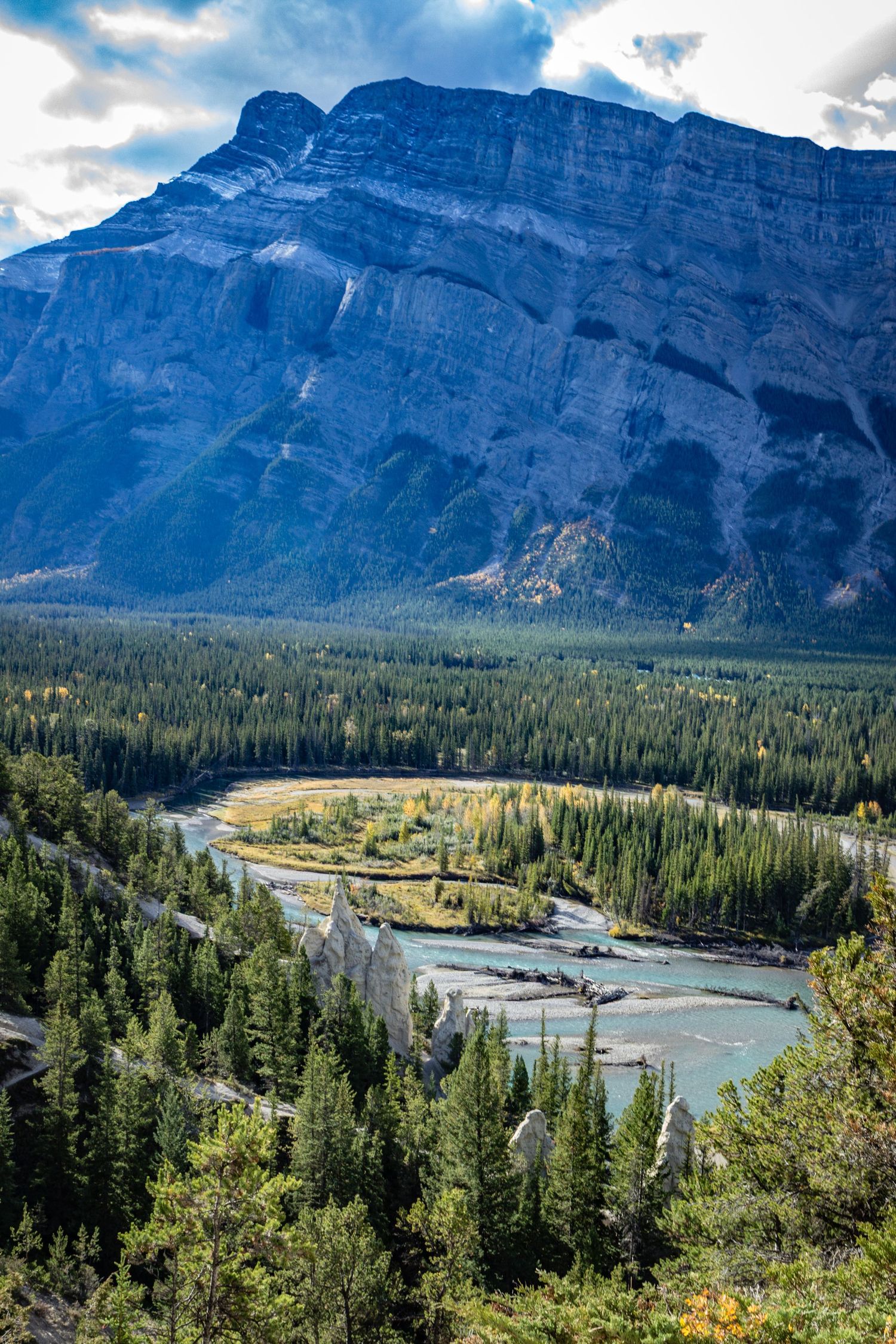
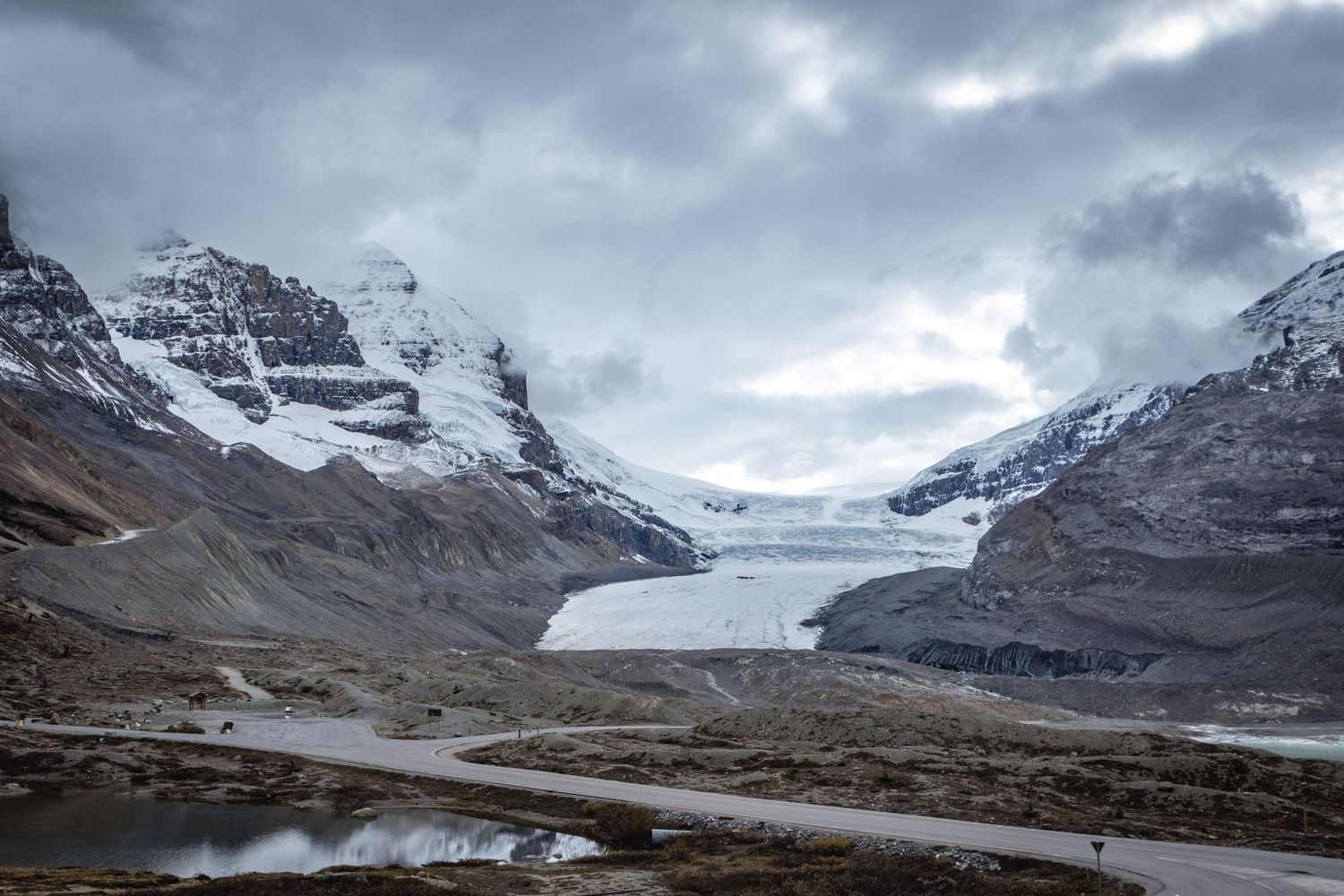
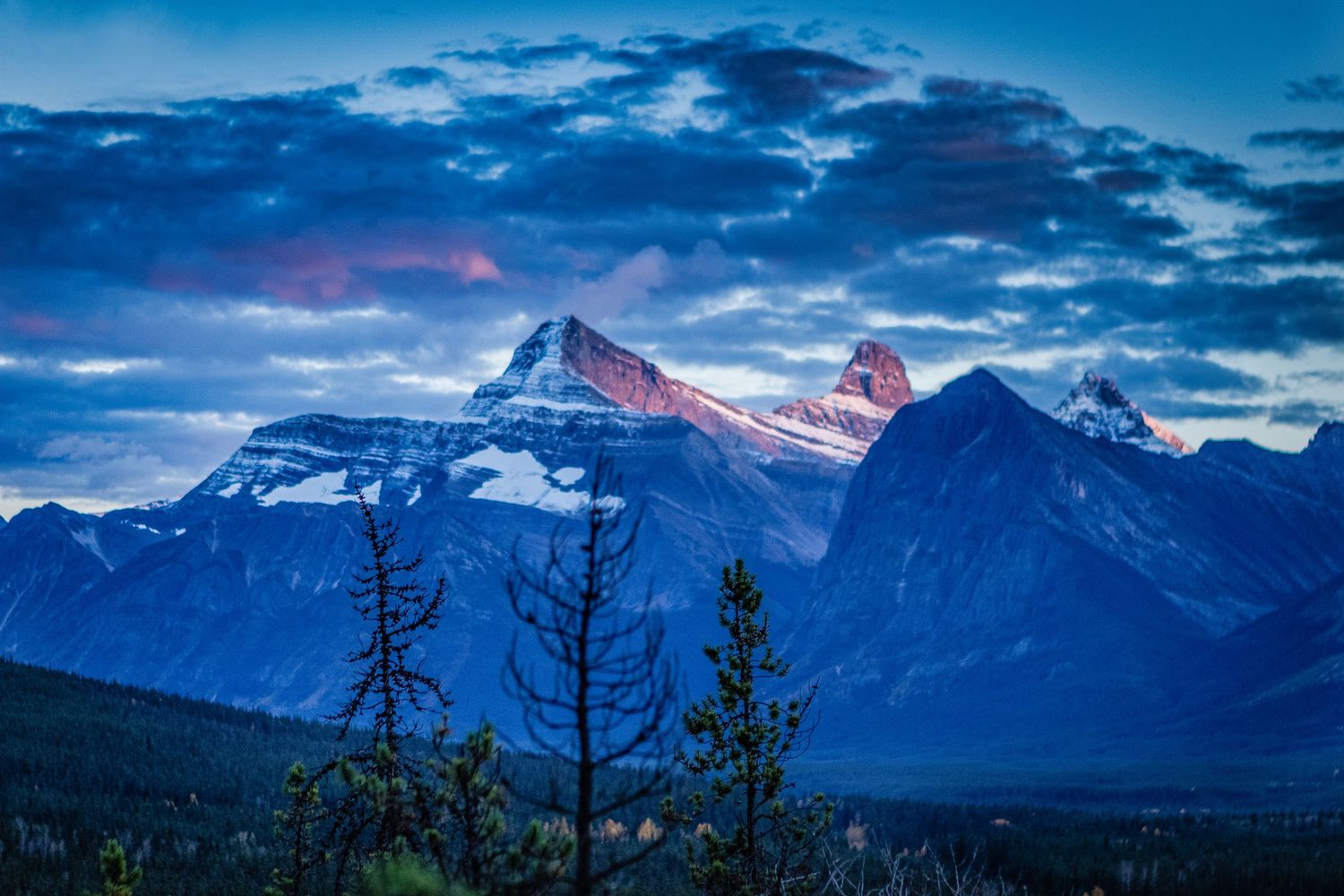
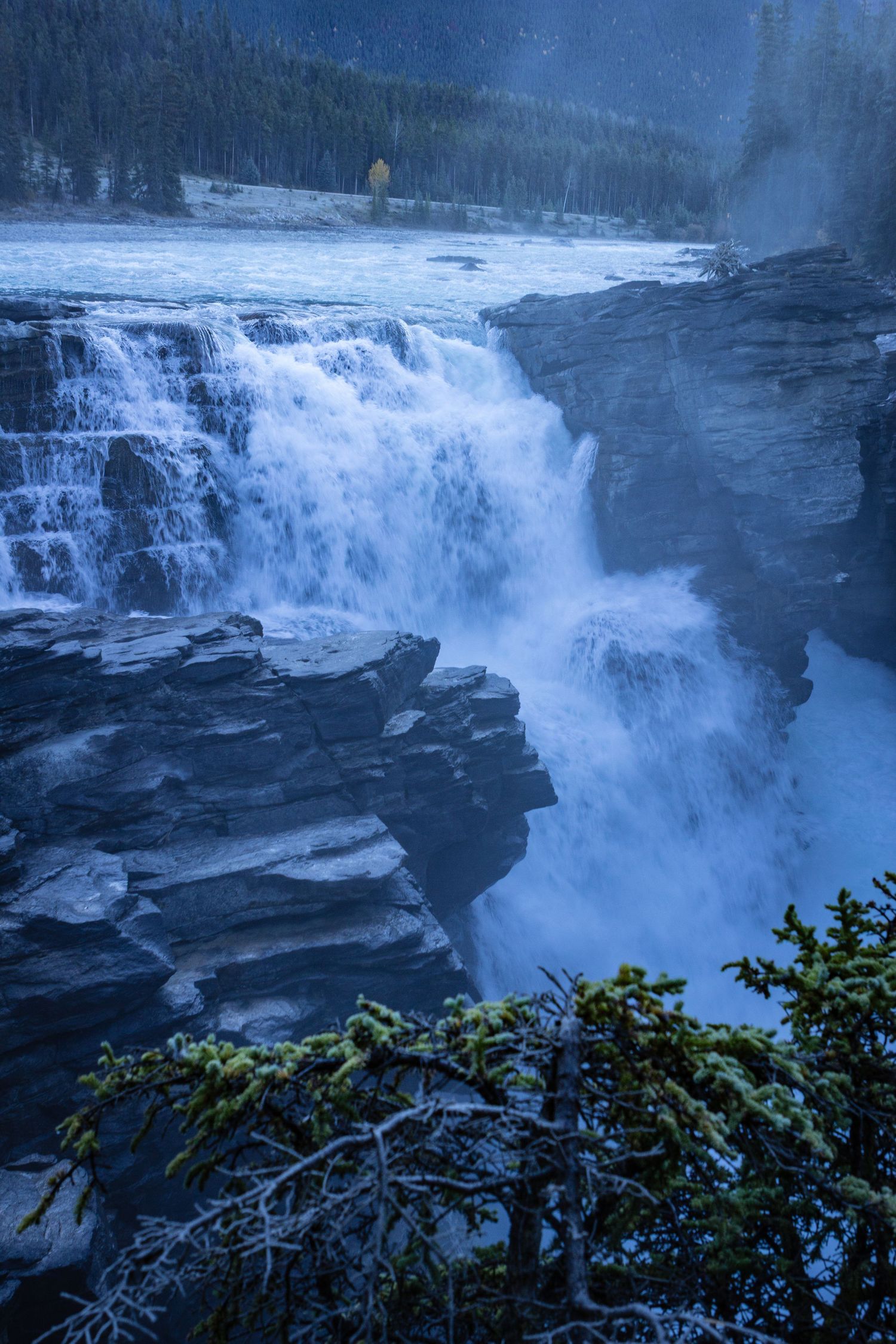
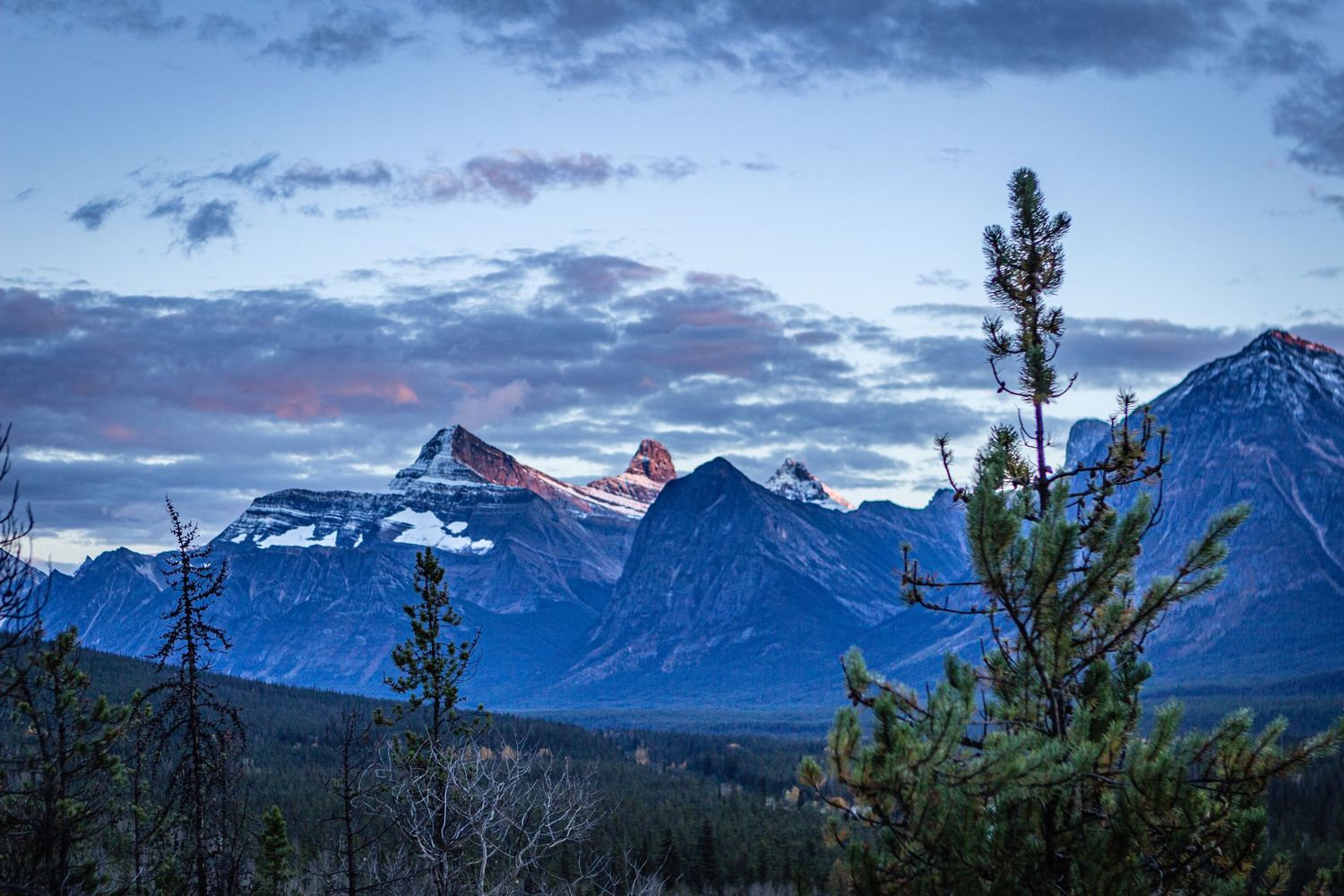
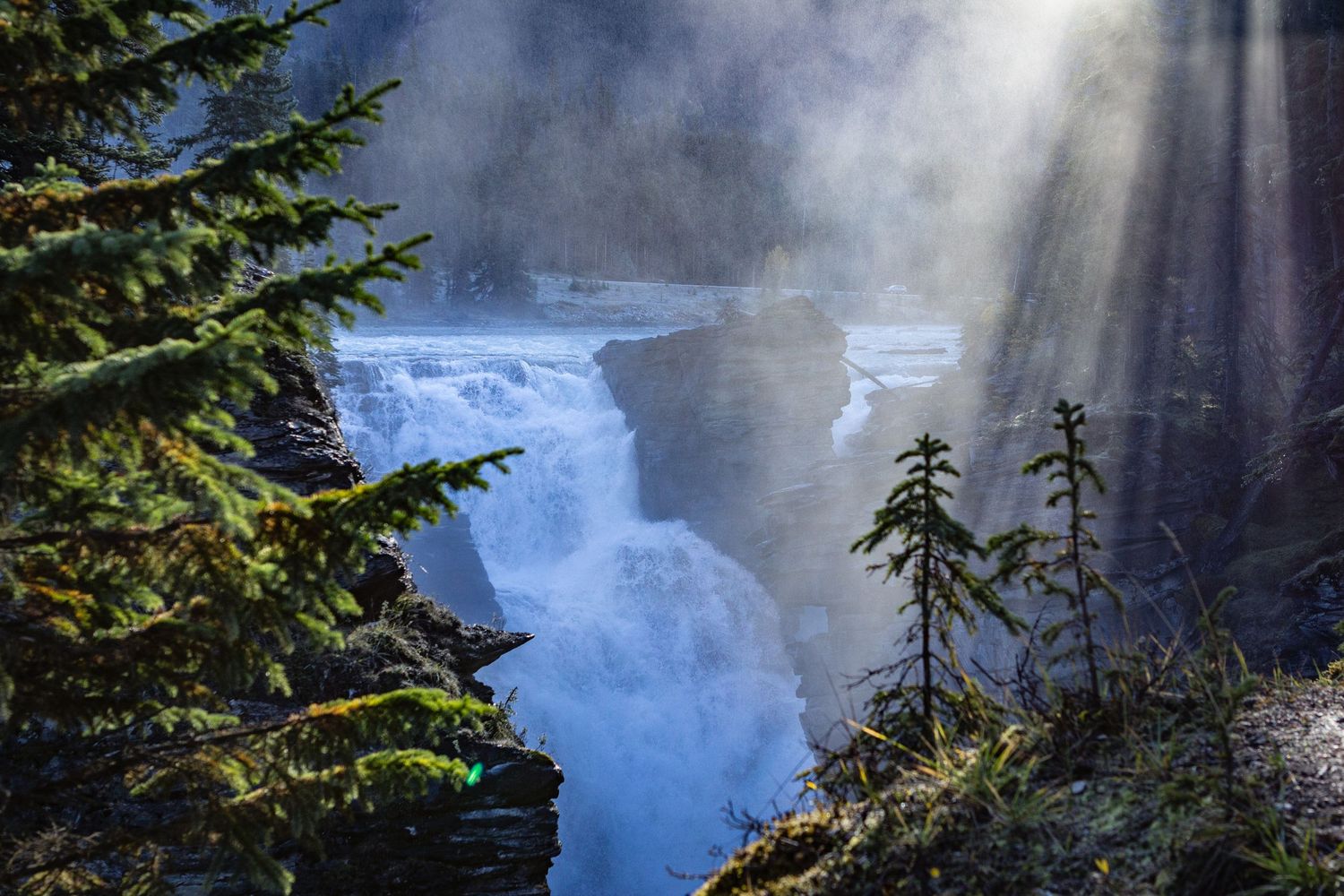
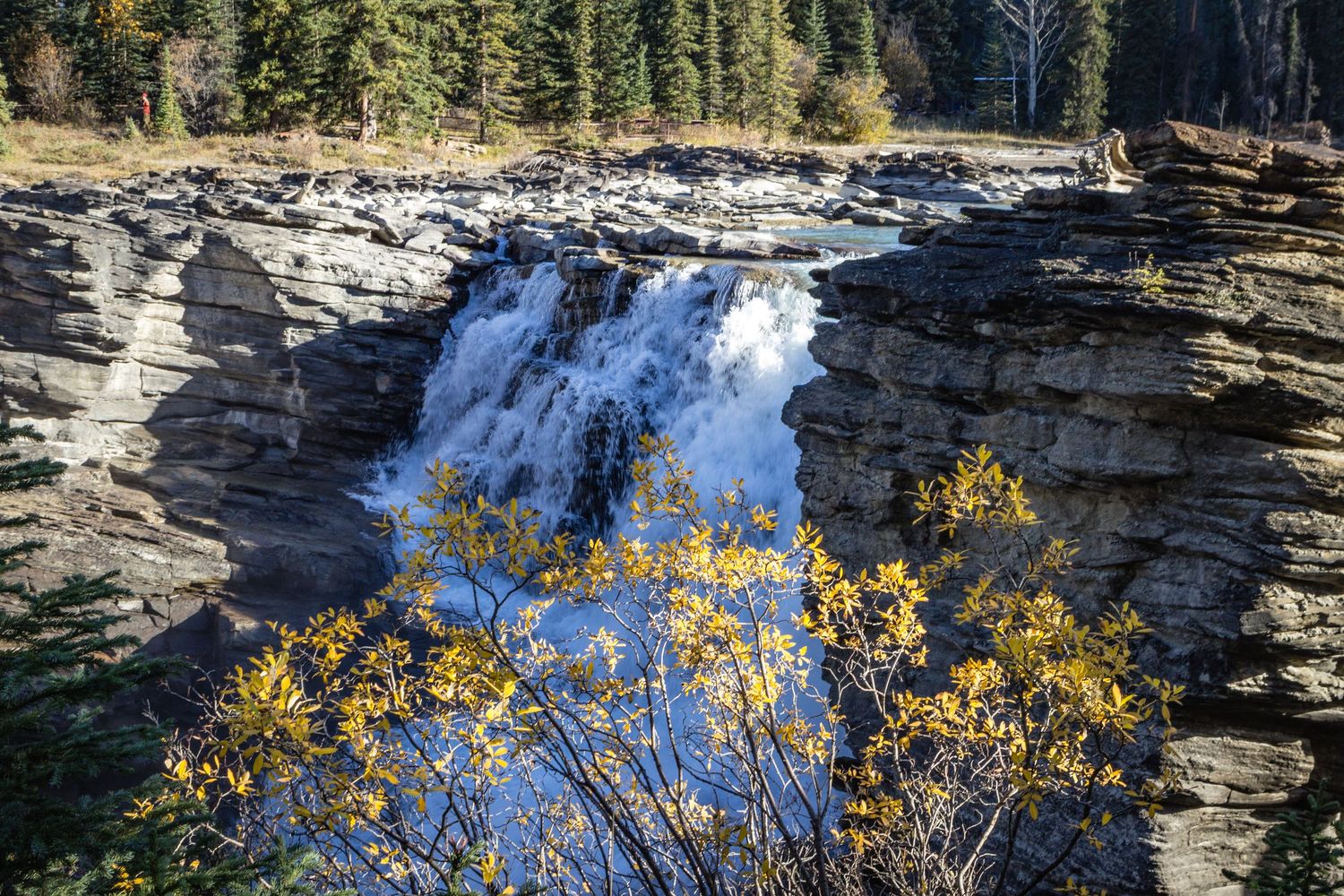
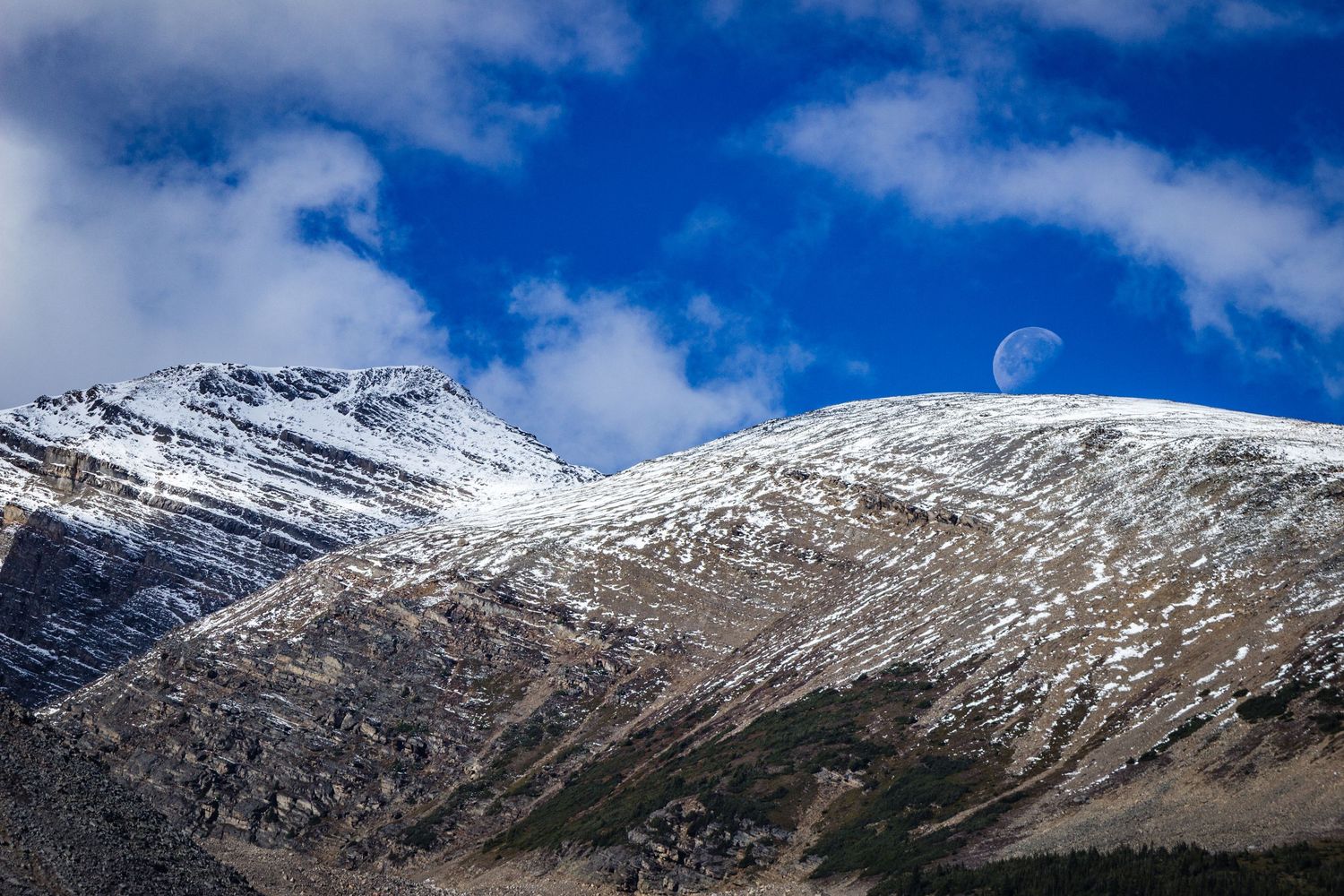
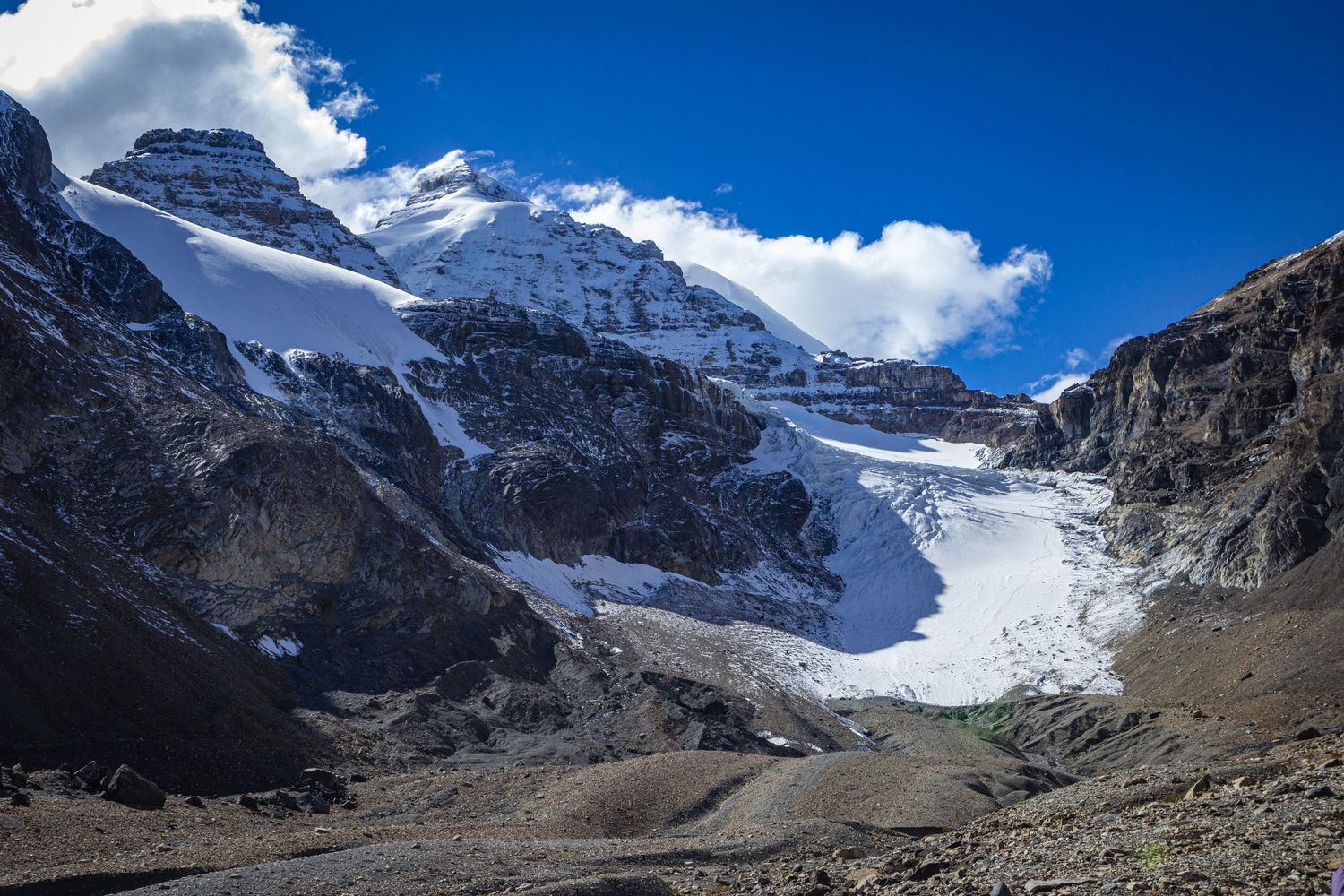
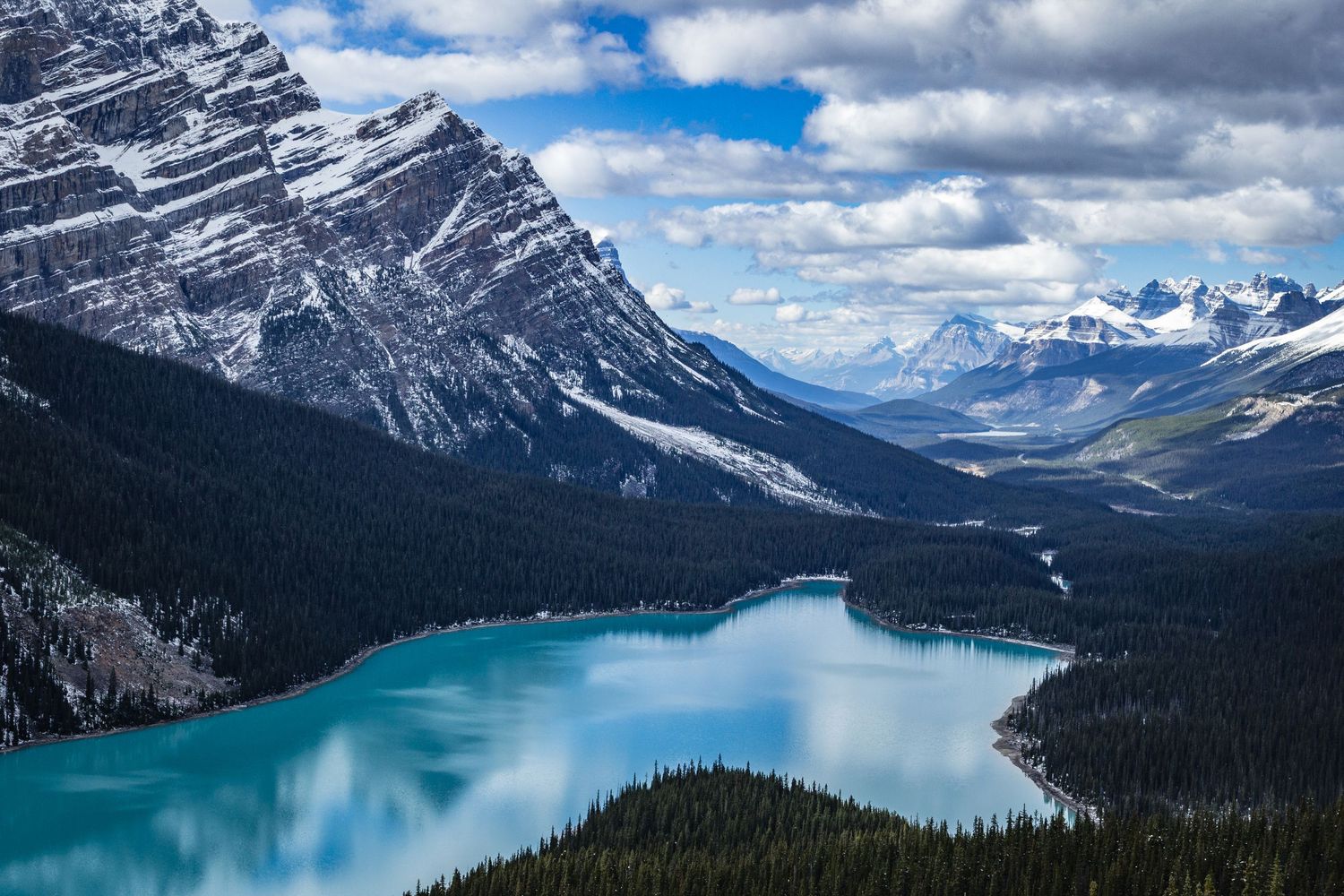
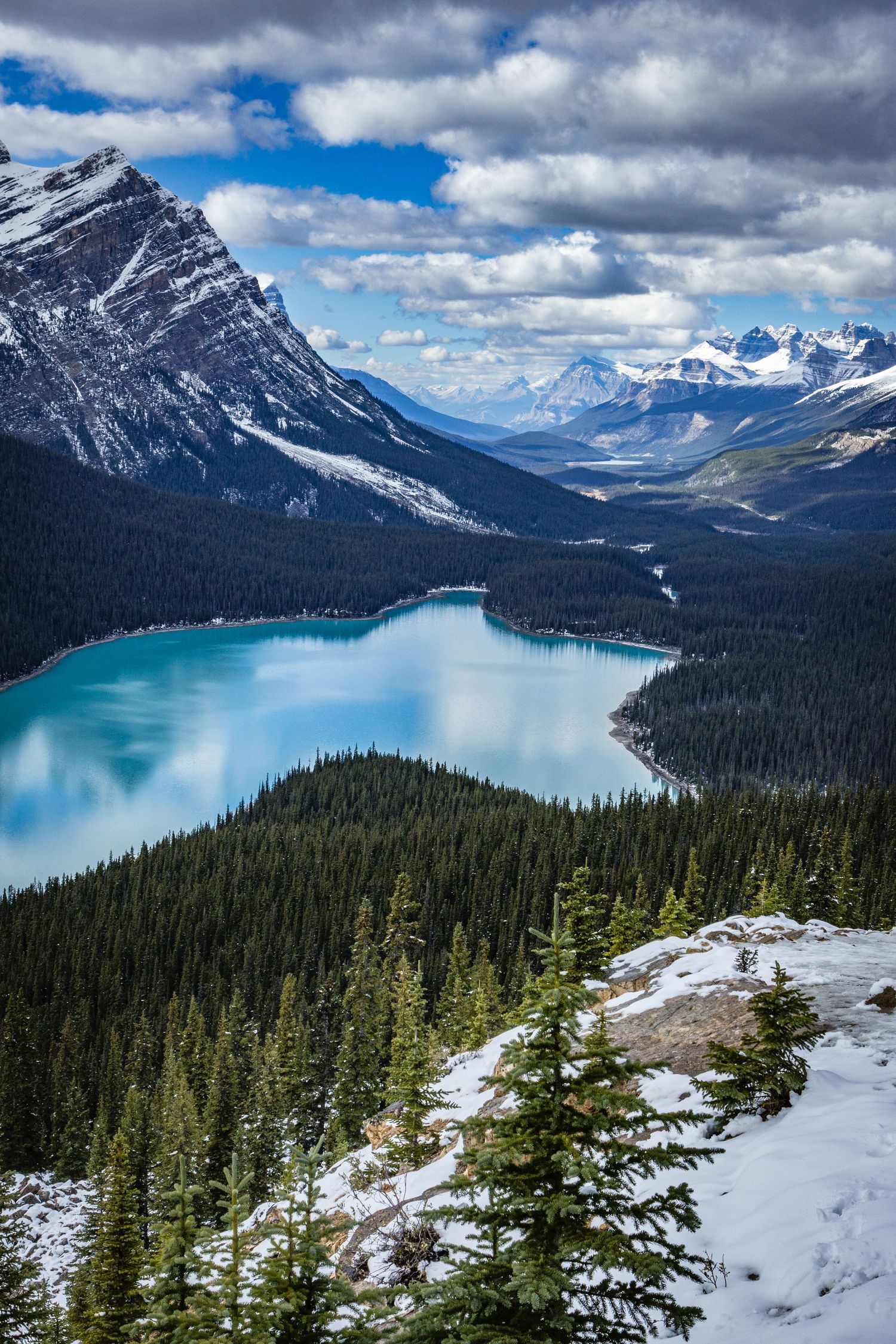
The Icefields Parkway stretched between Jasper and Banff in long, unforgettable sections. Glaciers spilled down mountainsides, rivers braided through valleys, and the road itself became part of the experience rather than simply a way of getting somewhere. Stops came often. Athabasca Falls thundered through narrow rock walls, raw and powerful, a reminder of how much force moves quietly through this landscape. Peyto Lake revealed itself from above, its unmistakable shape cutting sharply into the valley below, the colour almost unreal against the surrounding rock.
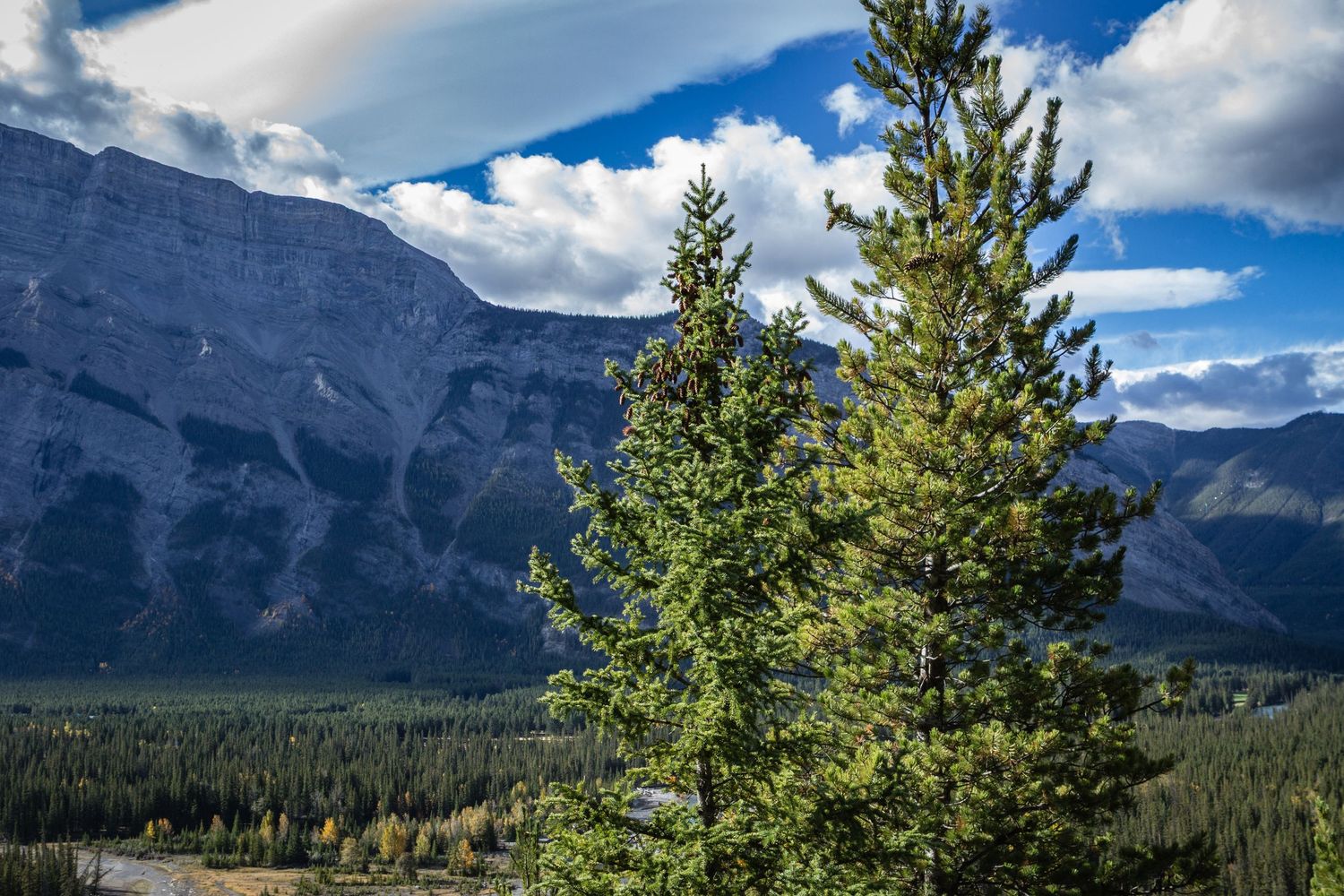
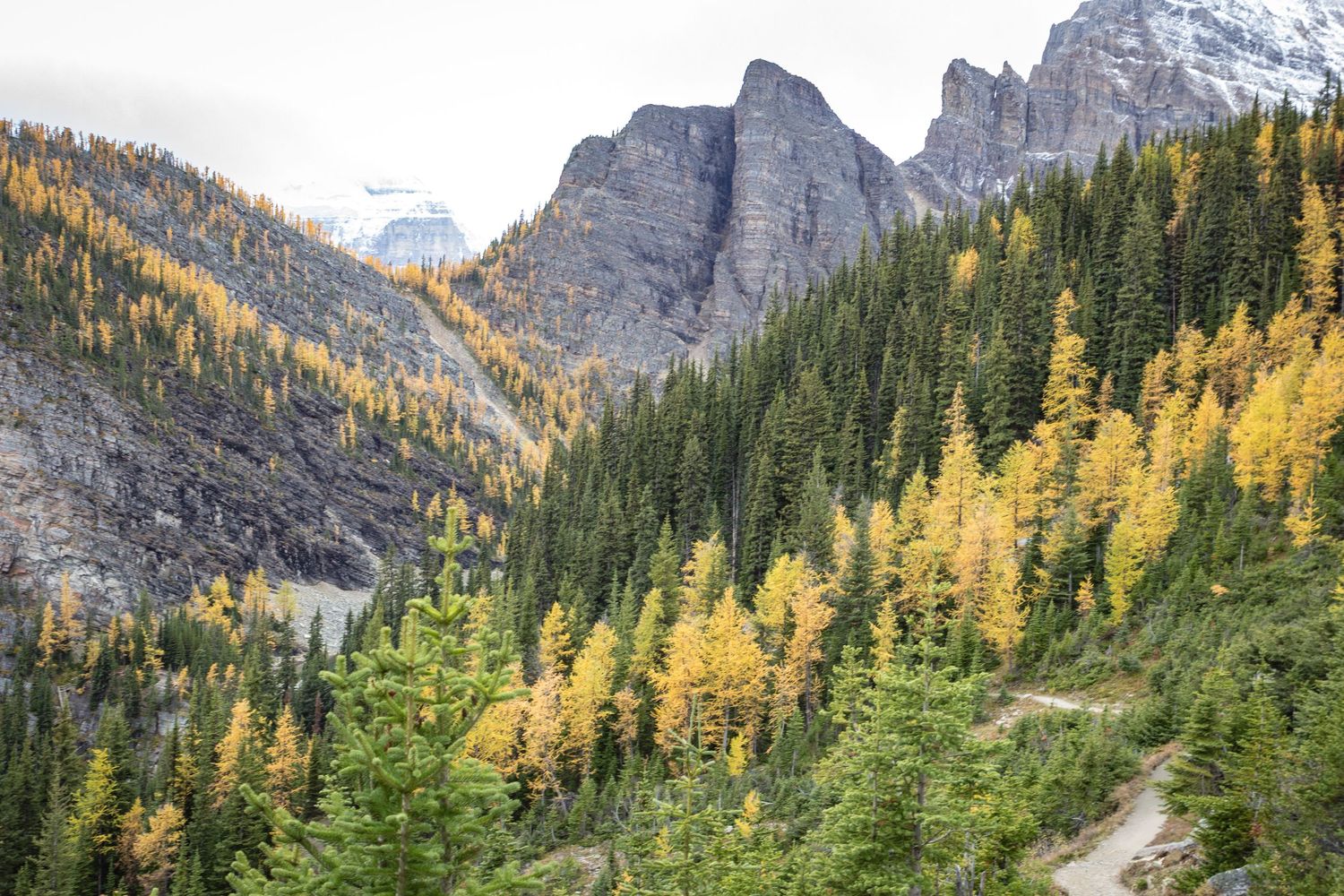
Hikes filled the days in between driving. Trails climbed into alpine terrain, air thinning with elevation, views opening wider with each step. Some walks were short and deliberate, others longer and more demanding, but all carried the same reward. The mountains asked for attention, and giving it felt grounding.
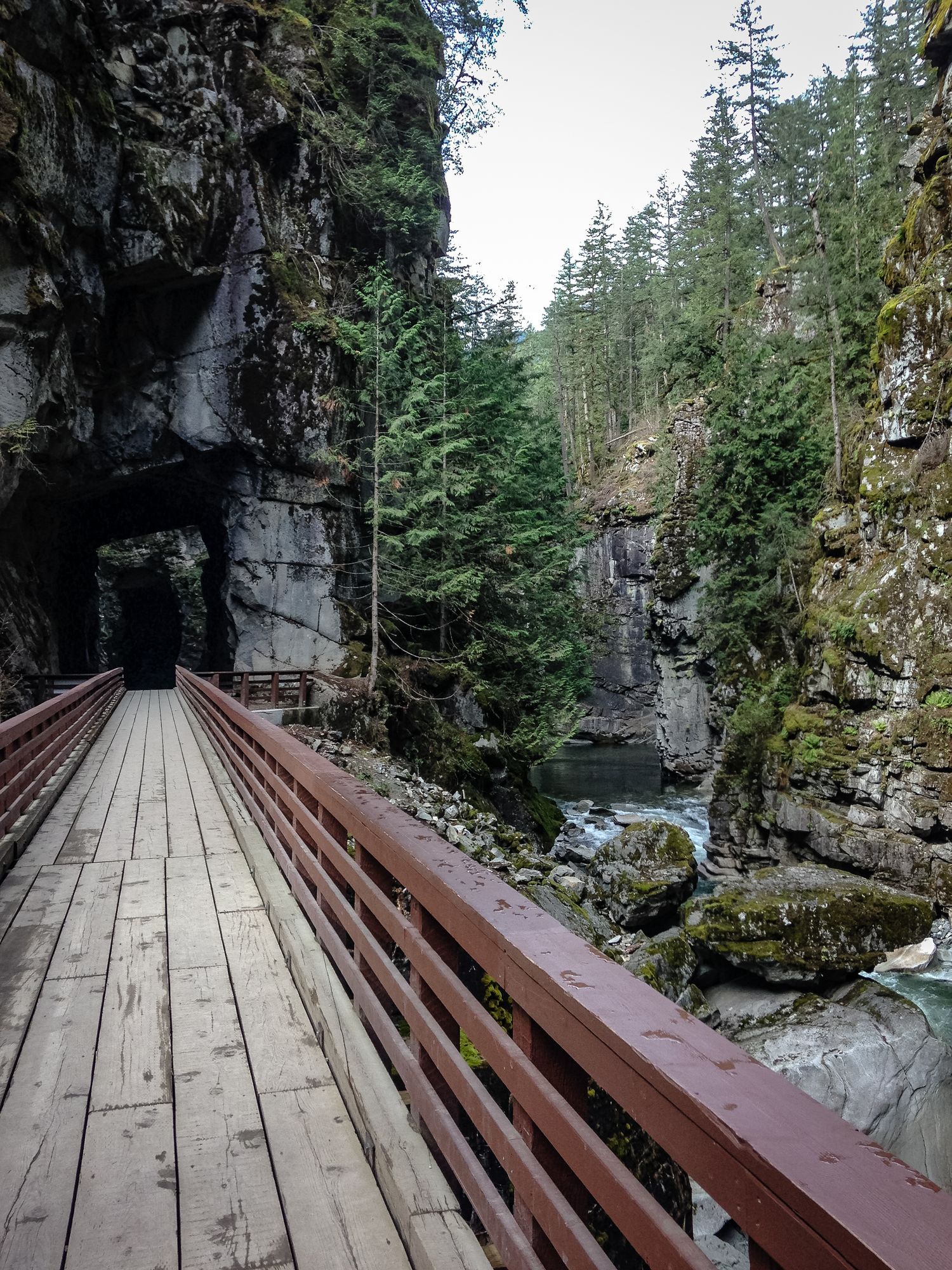
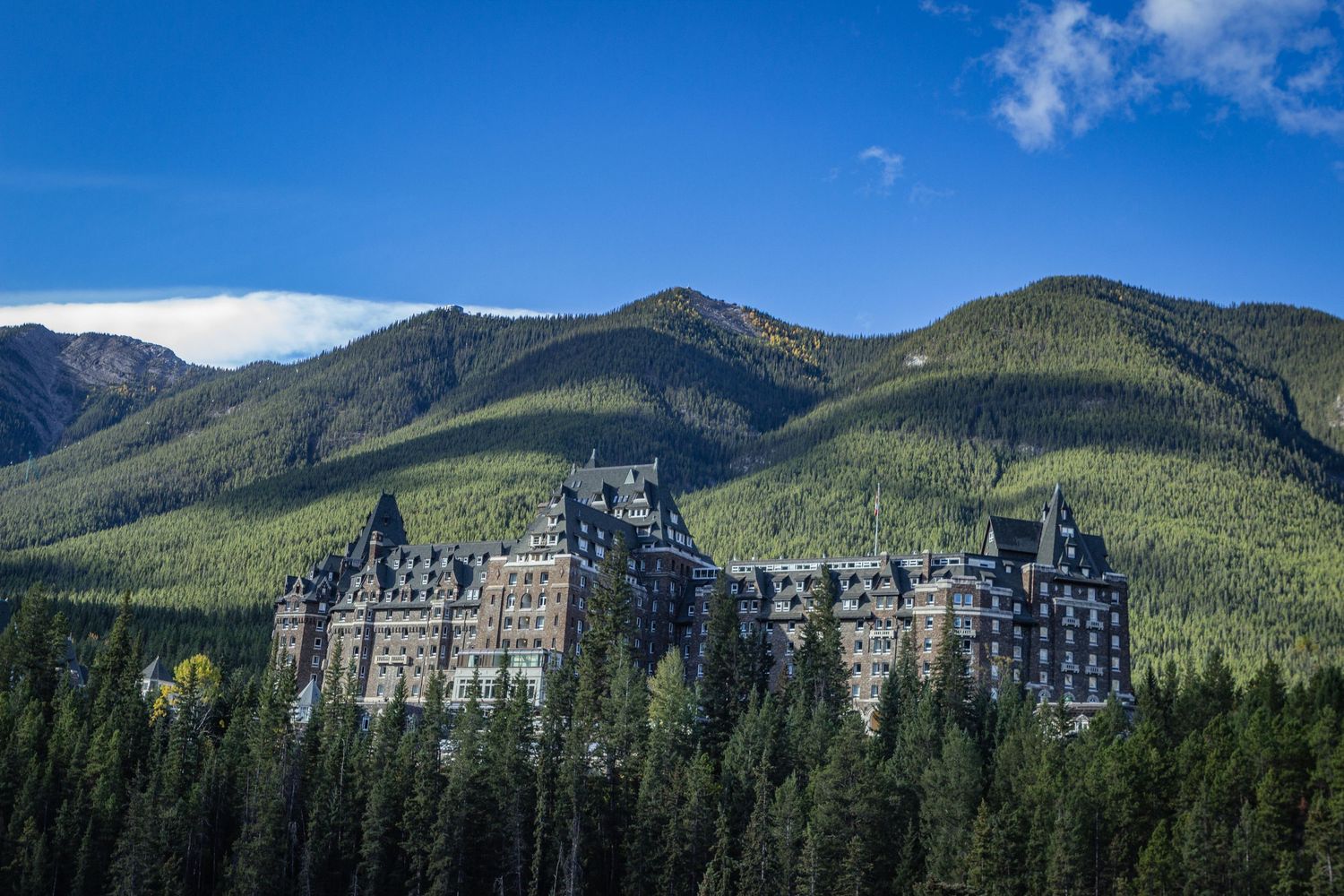
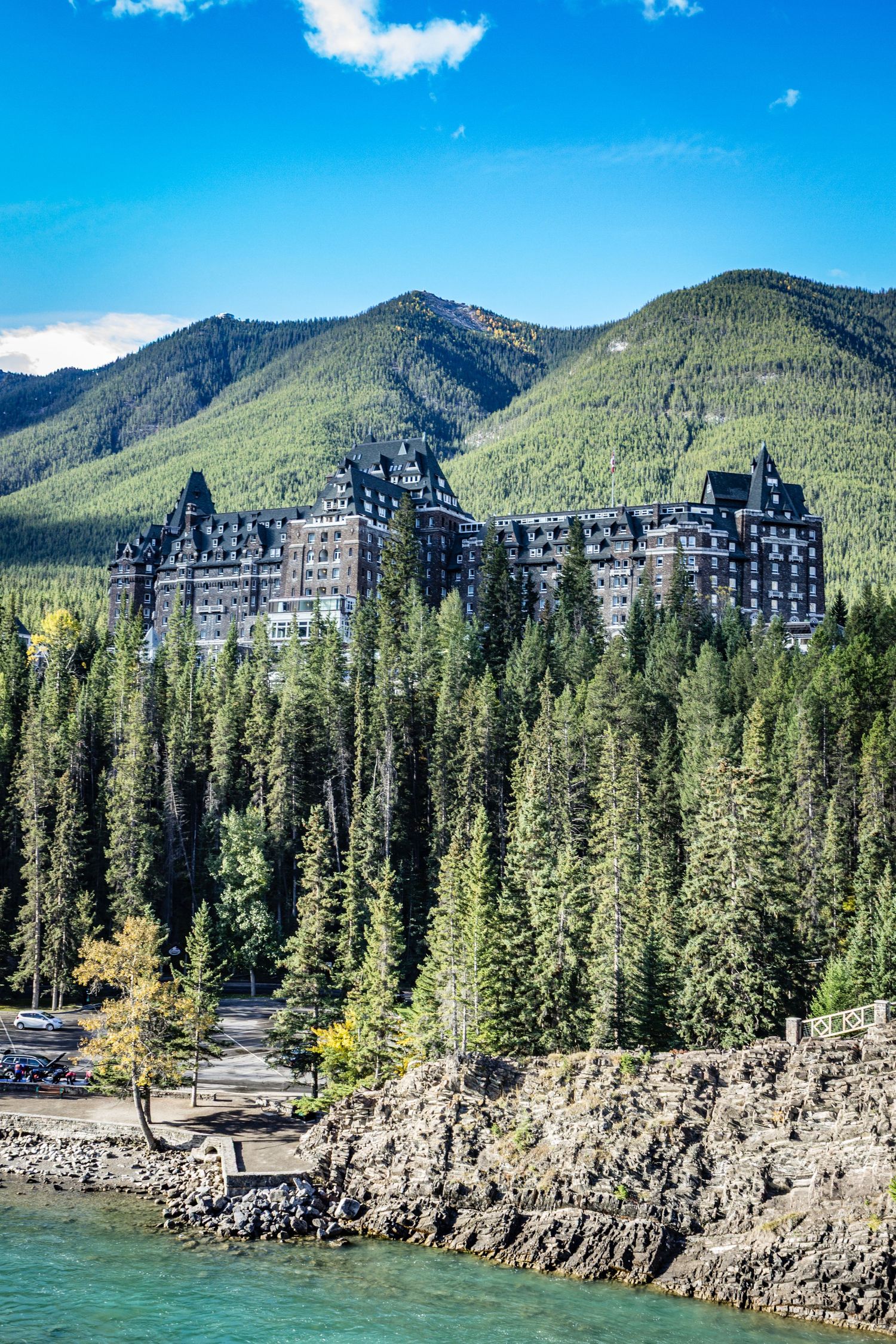
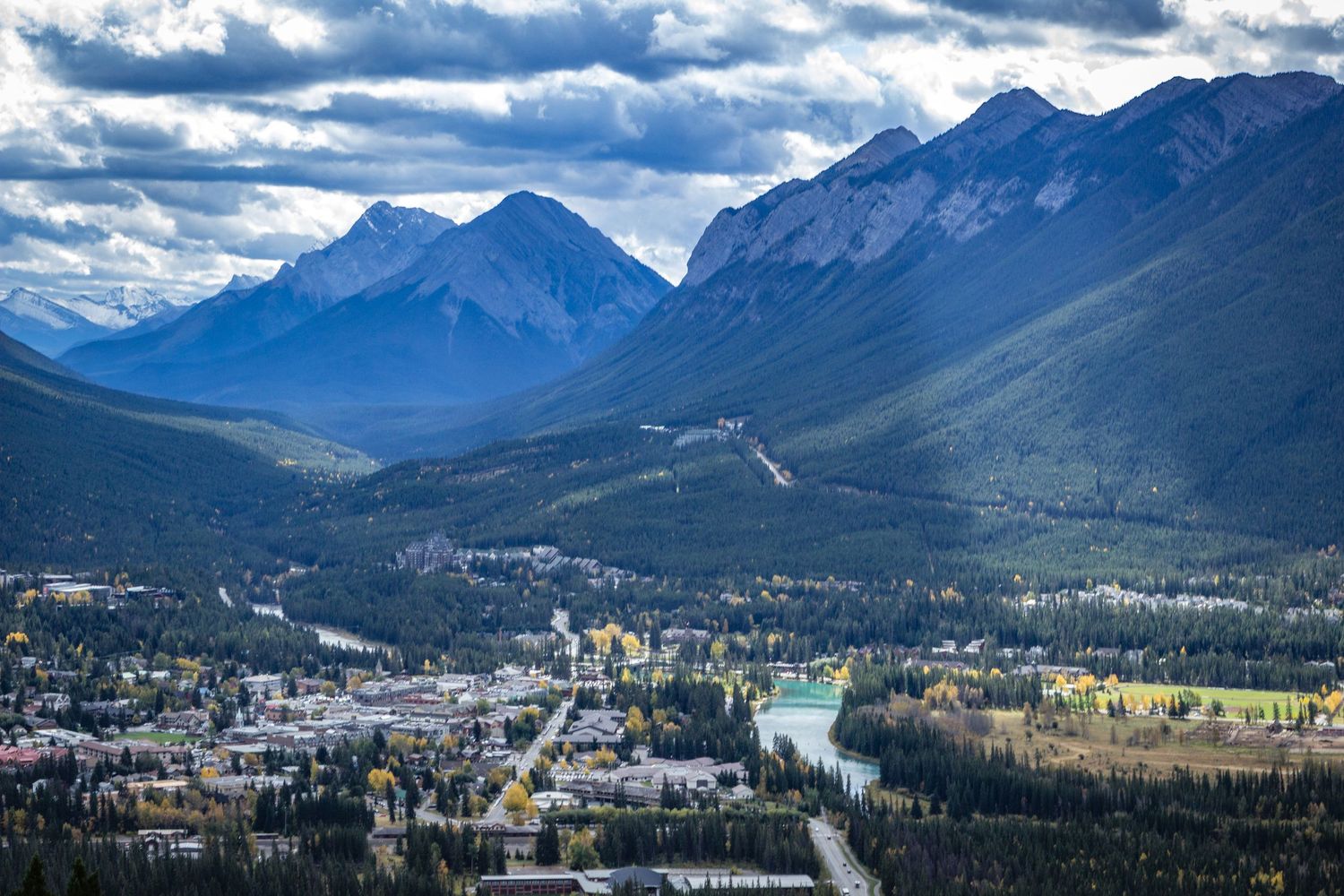
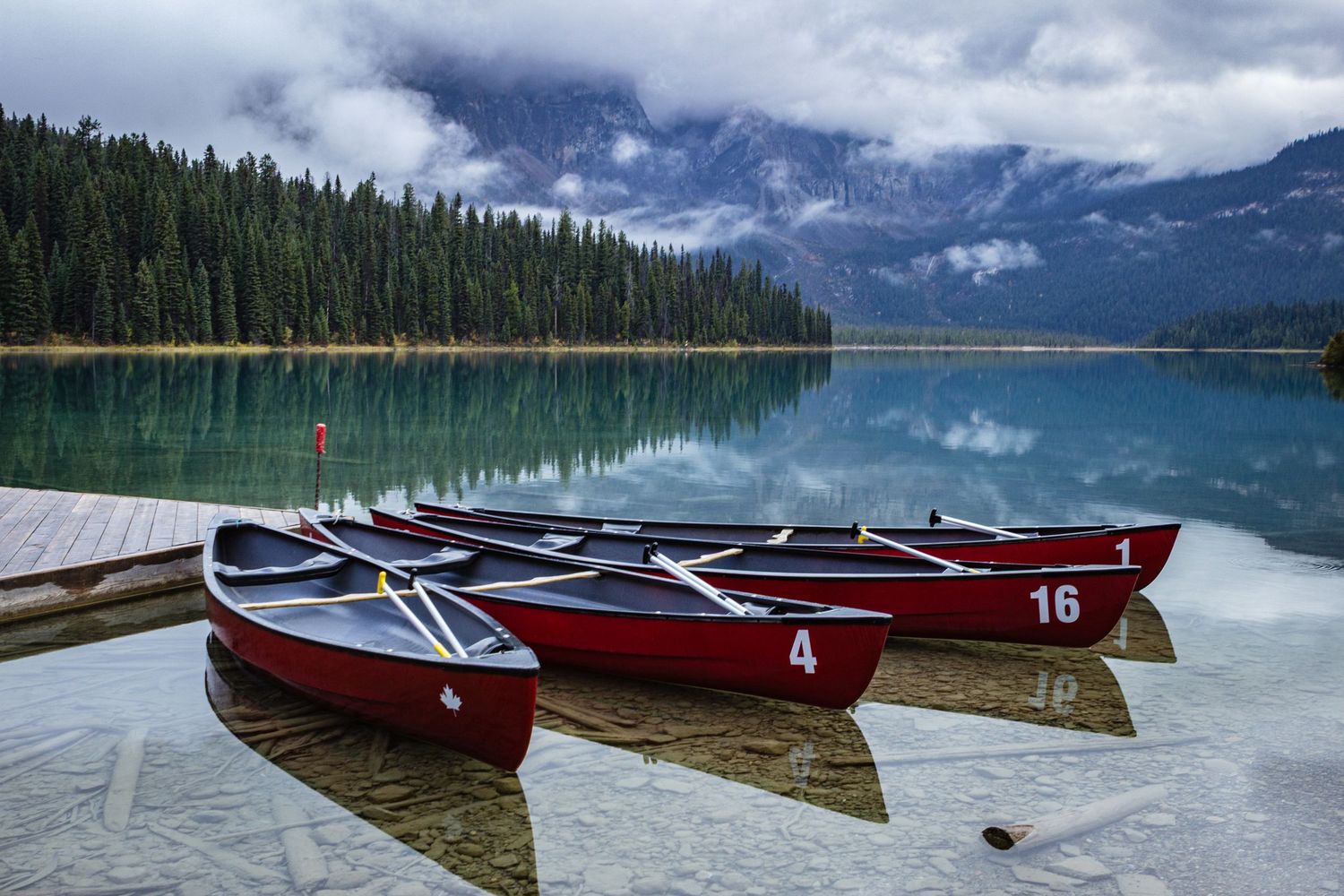
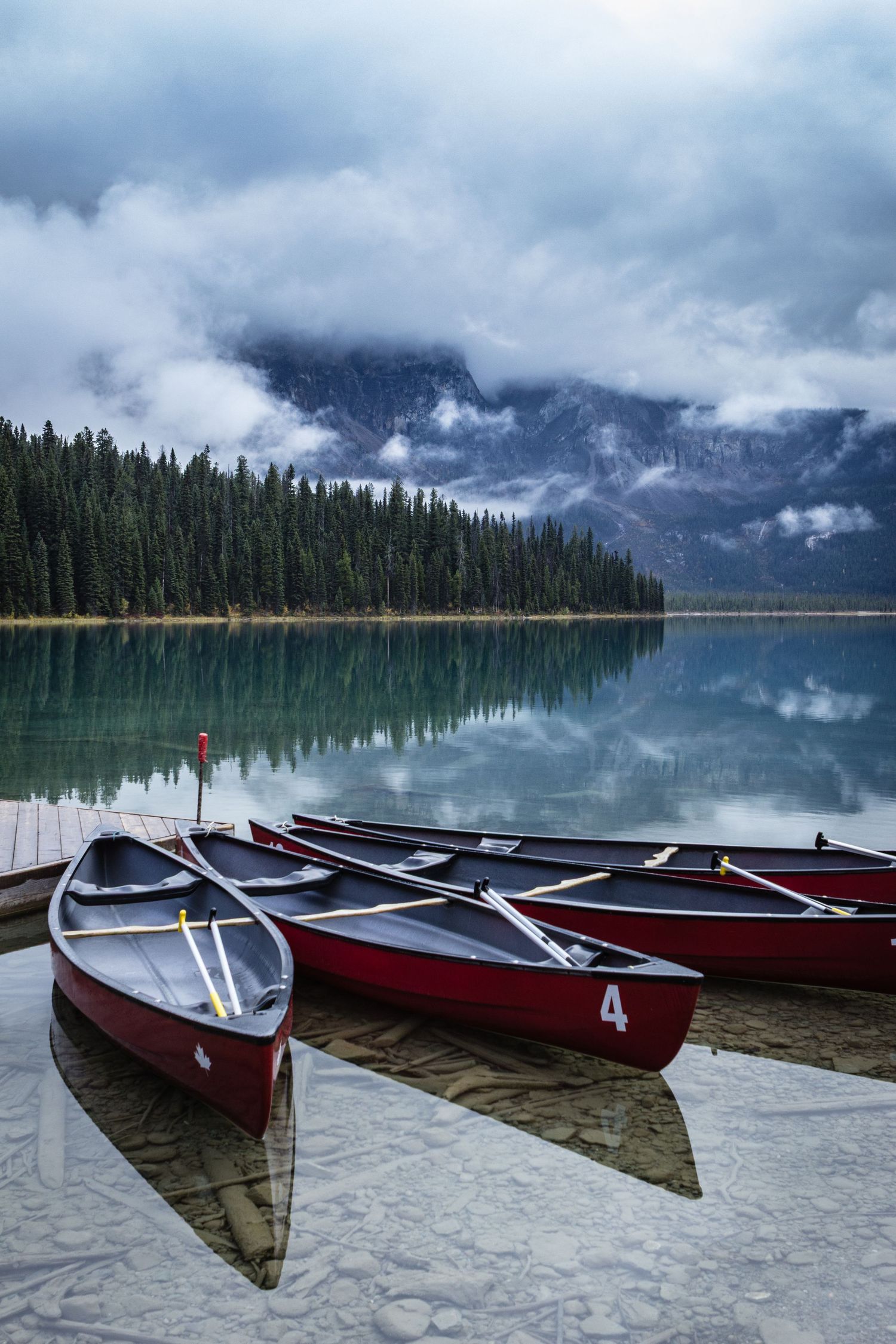
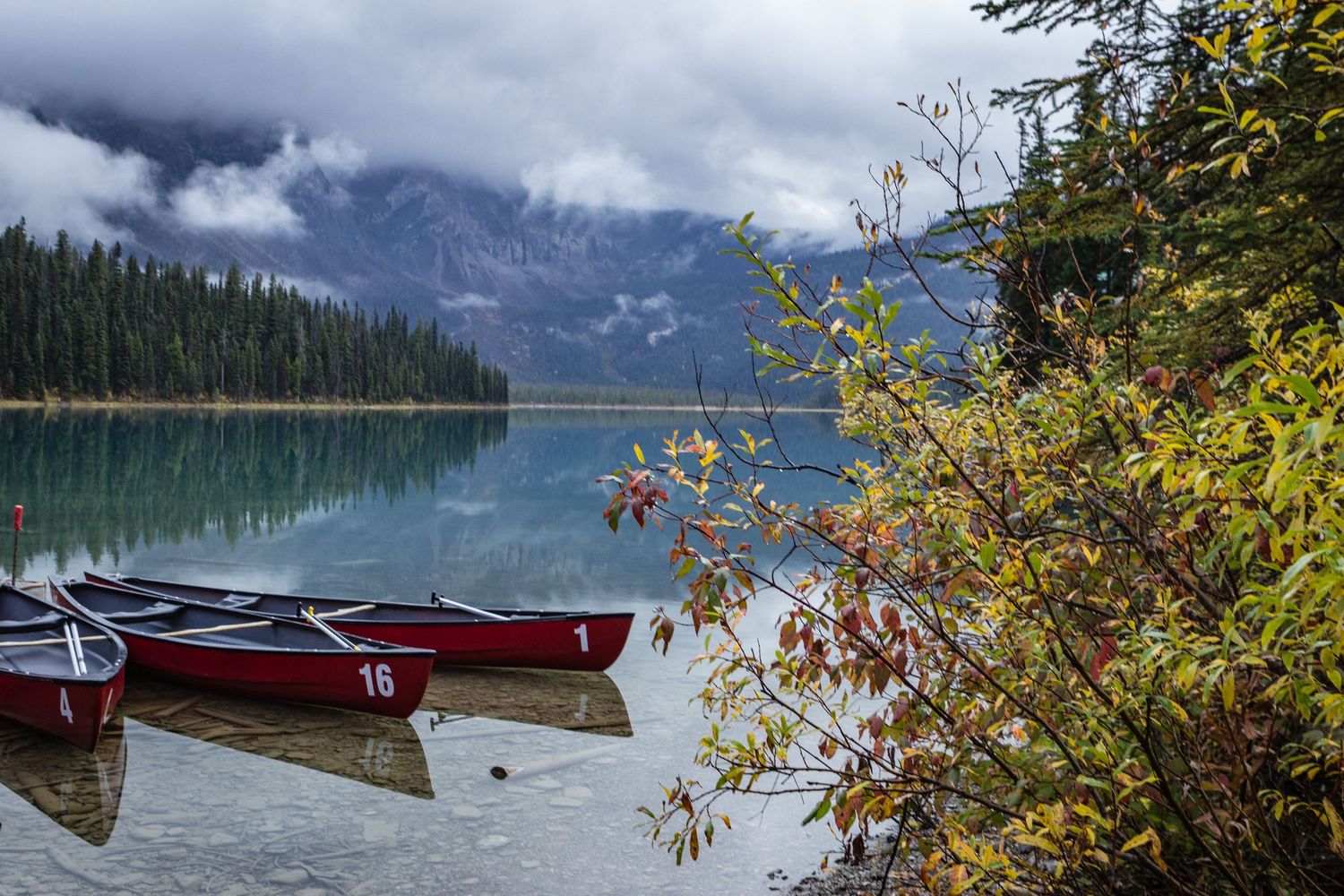
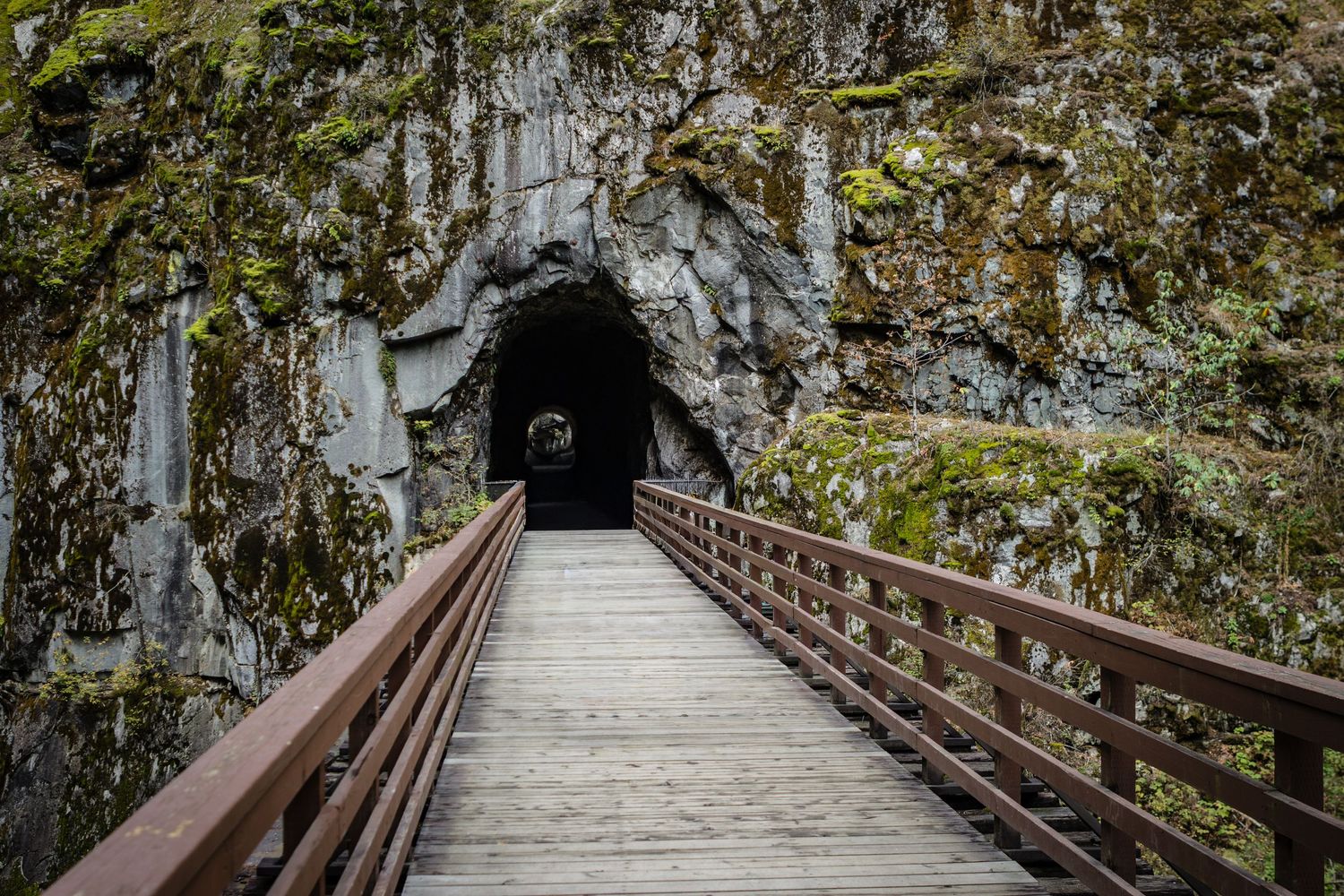
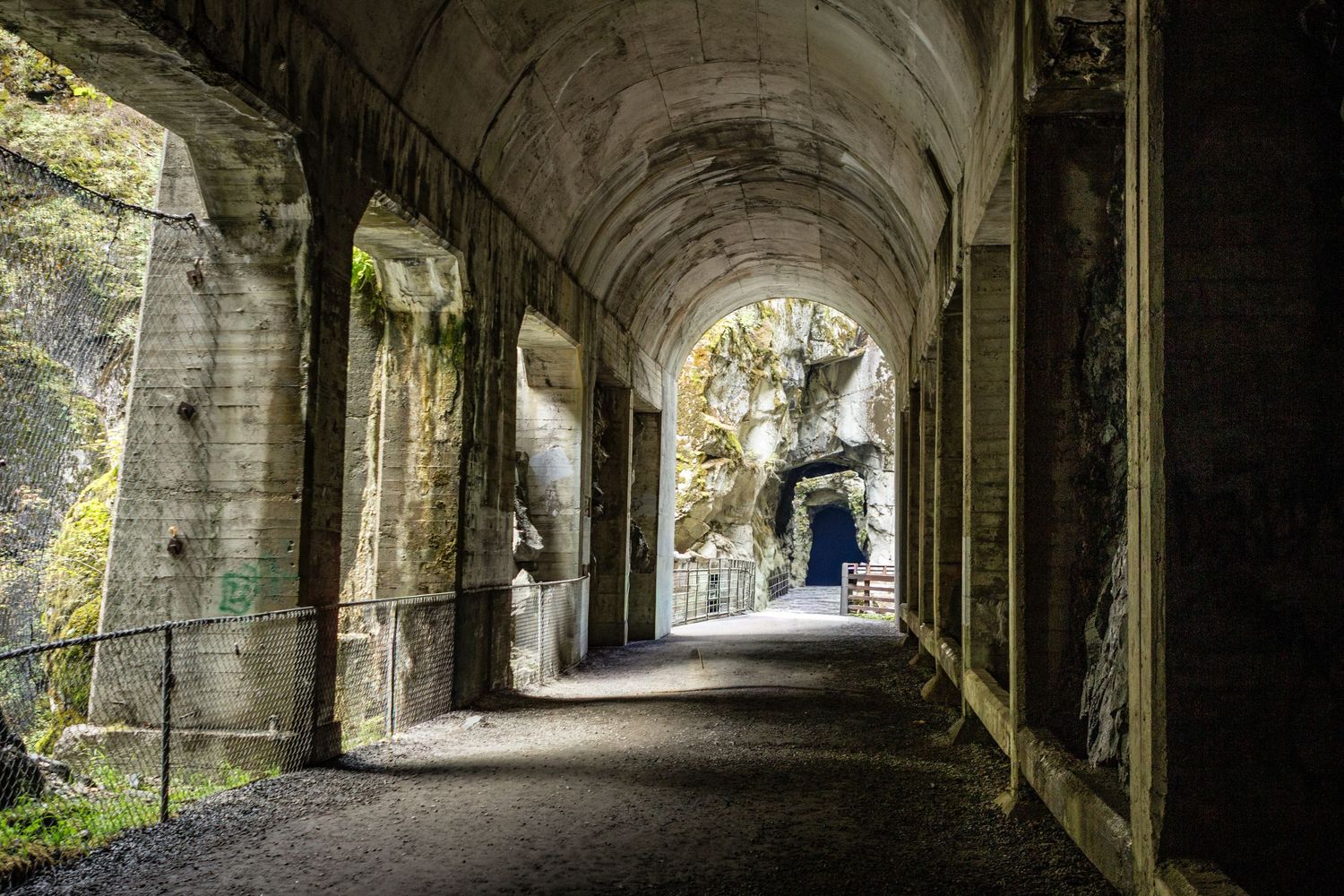
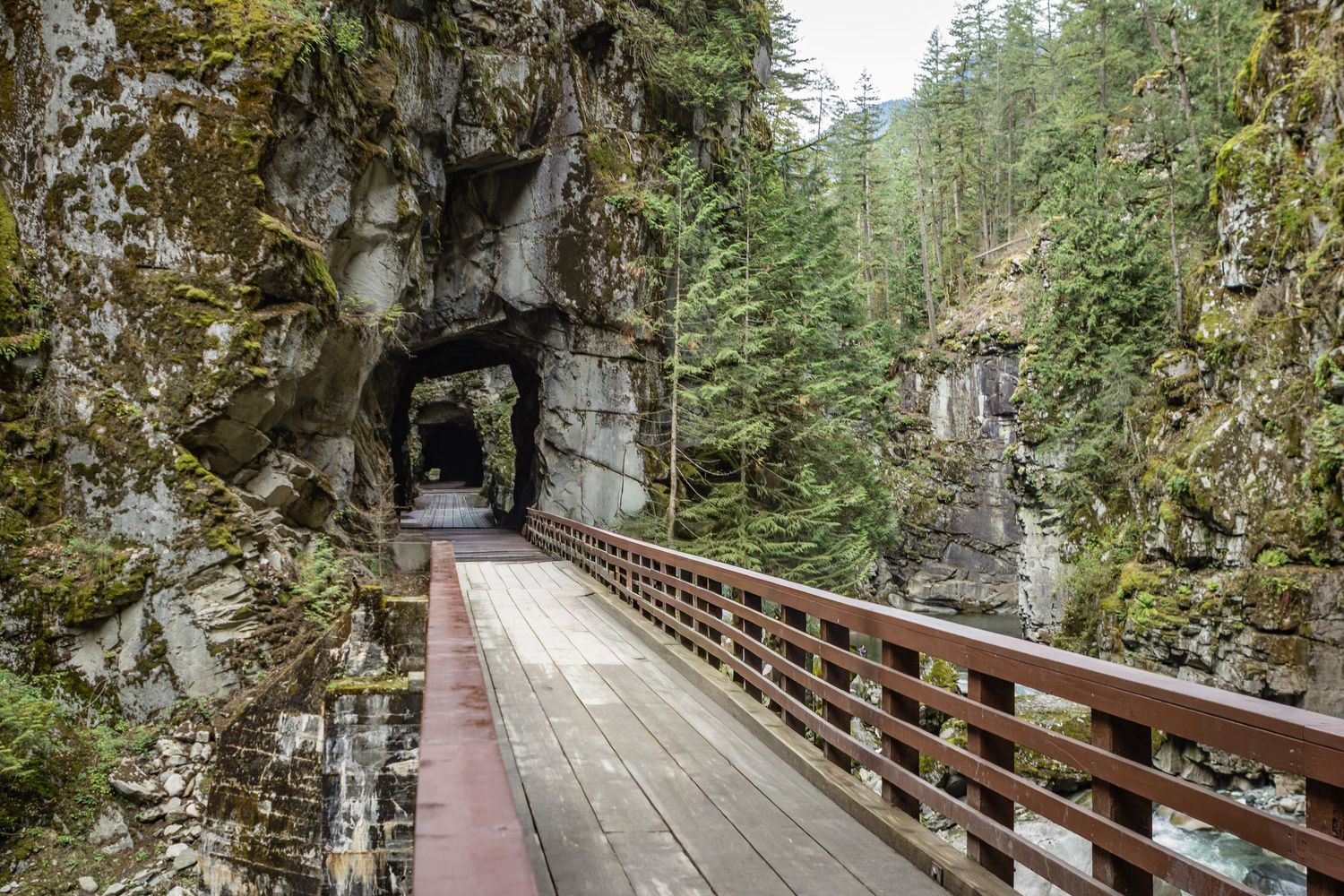
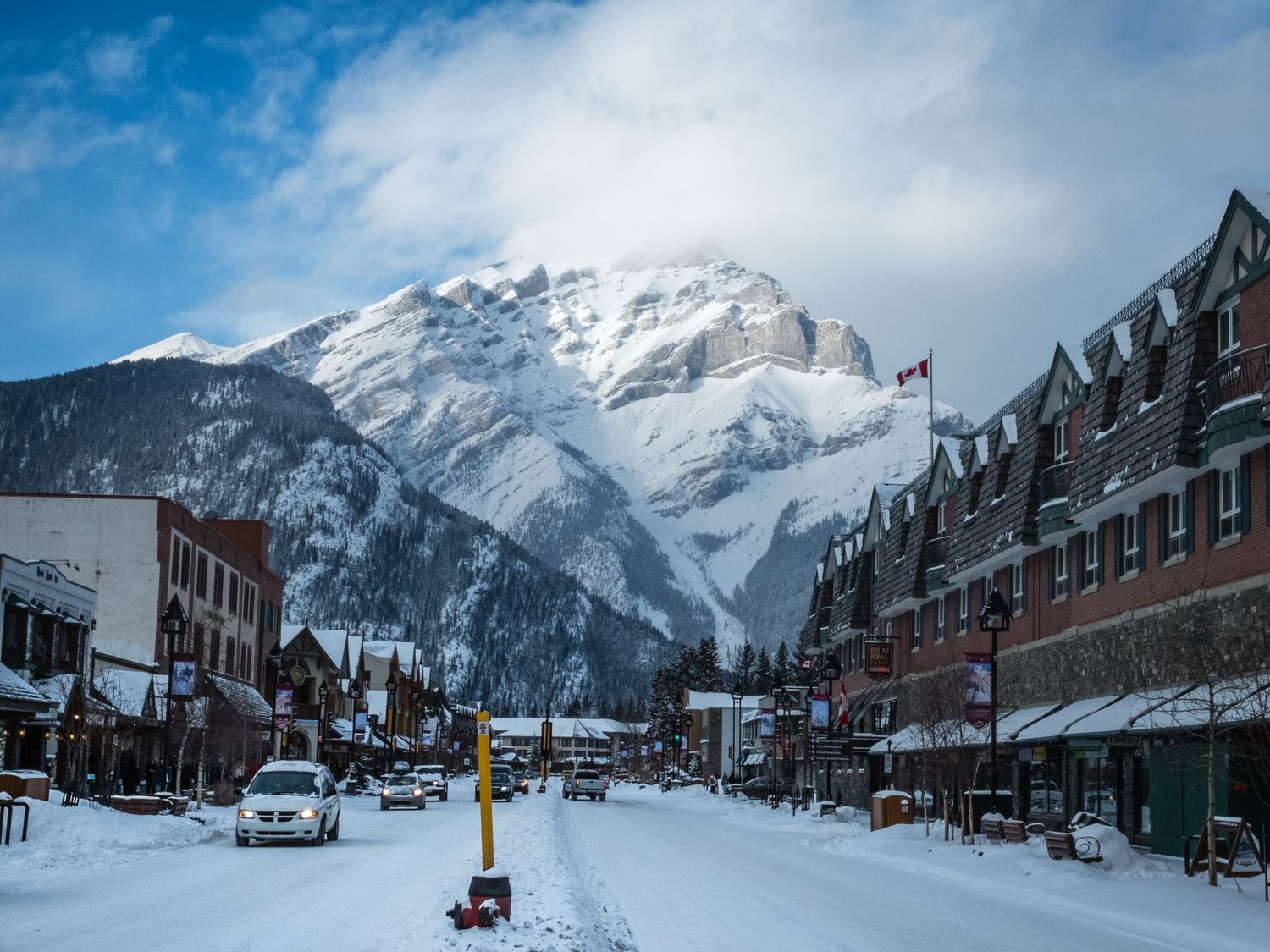
The journey looped through Banff, where the town felt compact beneath towering peaks, then continued westward again. Emerald Lake offered one final pause, its colour vivid even under changing light, ringed by quiet forest. The Othello Tunnels marked the return toward British Columbia, carved paths through sheer rock, echoing with footsteps and the sound of water below. Passing through them felt like crossing a threshold, leaving the high Rockies behind and re-entering familiar ground.
Eventually, the road bent back toward the coast, mountains slowly giving way to forest and rain. The contrast sharpened an appreciation for both landscapes. The Rockies had been vast, cold, and commanding. British Columbia welcomed me back with softness and familiarity. The journey stood on its own, quieter than earlier road trips, but deeply memorable, shaped by space, distance, and the slow rhythm of moving through the land.
selected Images