By the beginning of 2015, Vancouver had stopped feeling temporary. What had started as a place to regroup had quietly become home. Work filled most weeks, but the city unfolded around that routine, offering space to explore without urgency. Days were shaped by familiarity rather than plans, and that rhythm suited me.
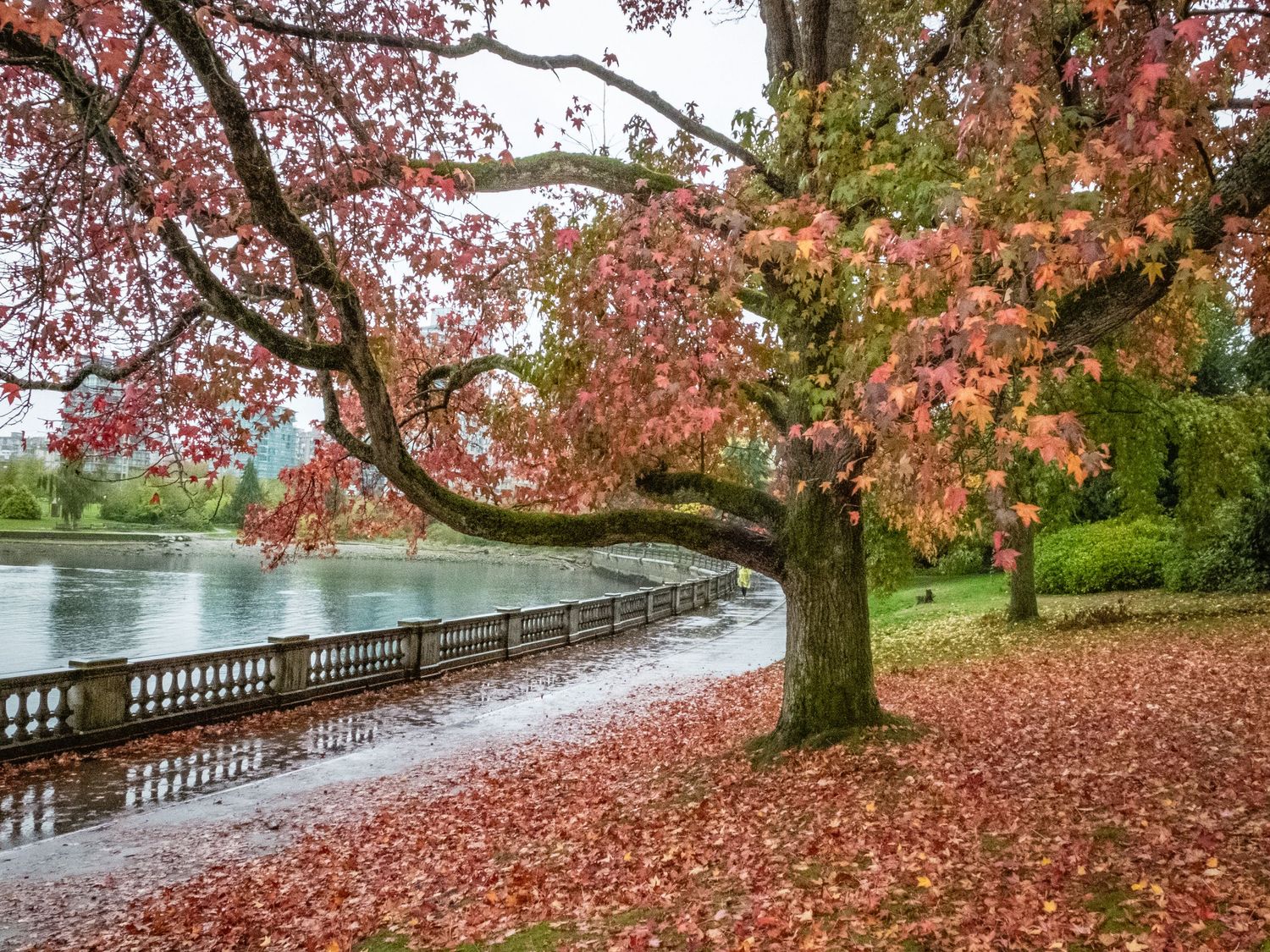
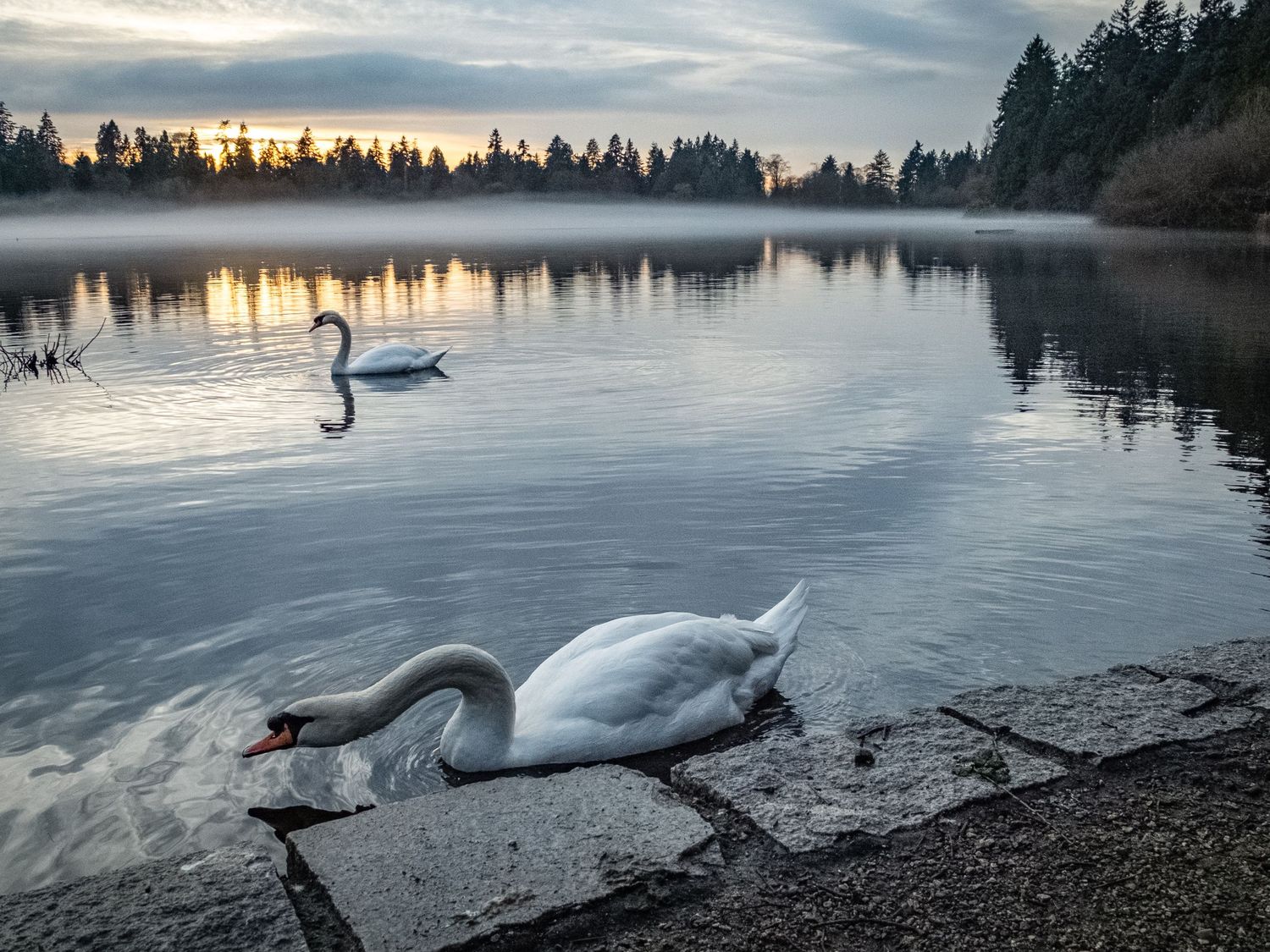
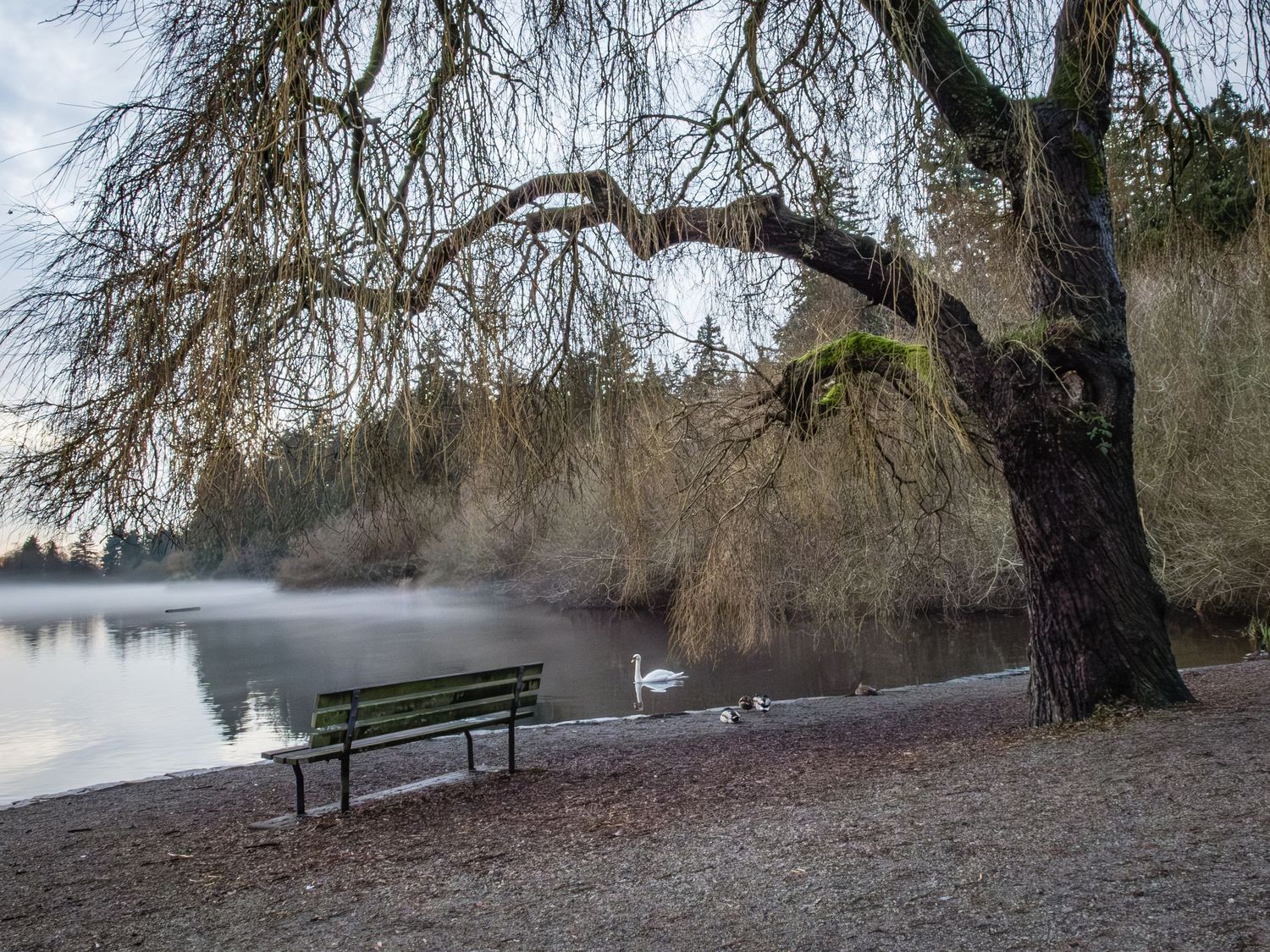
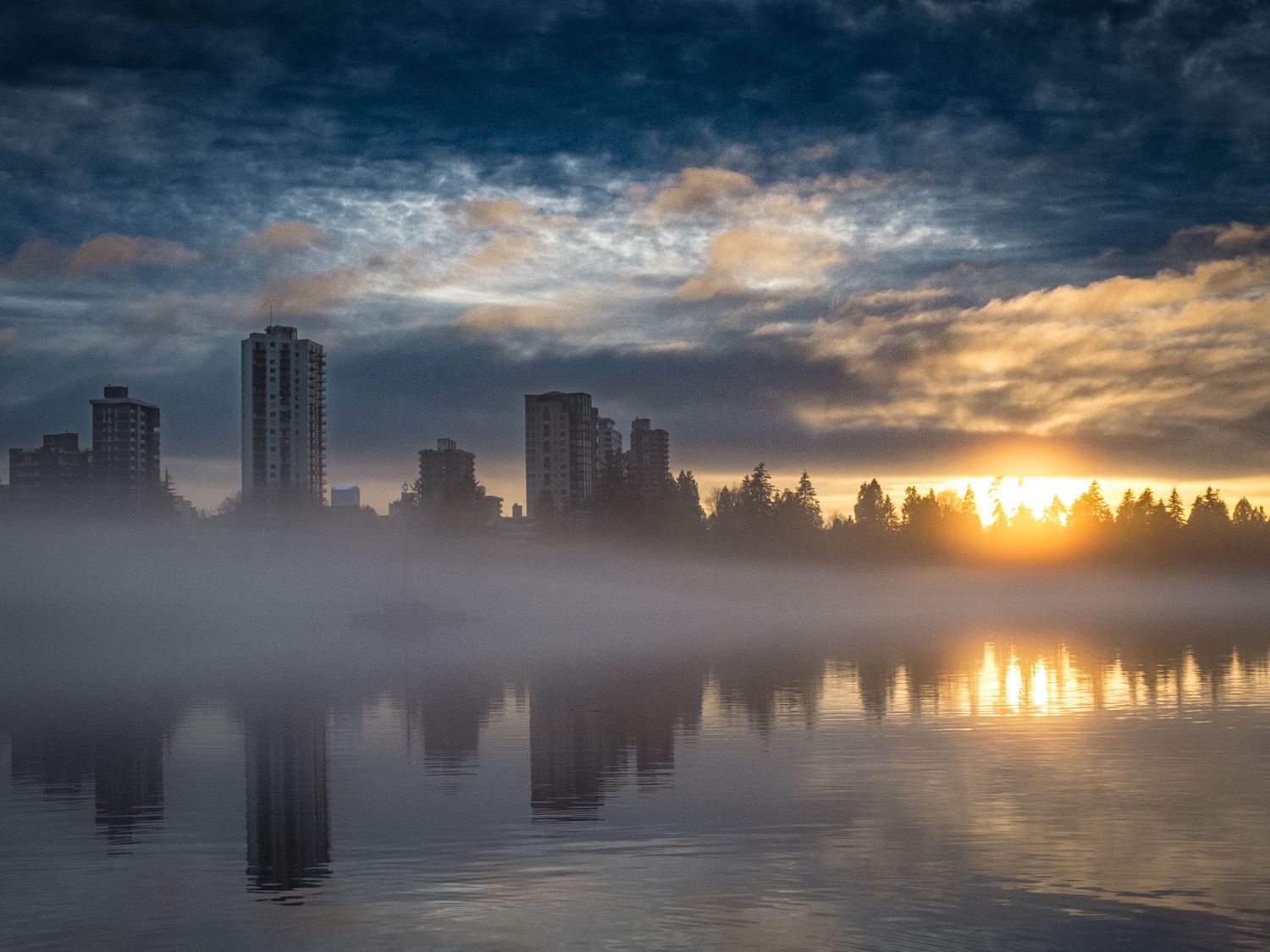
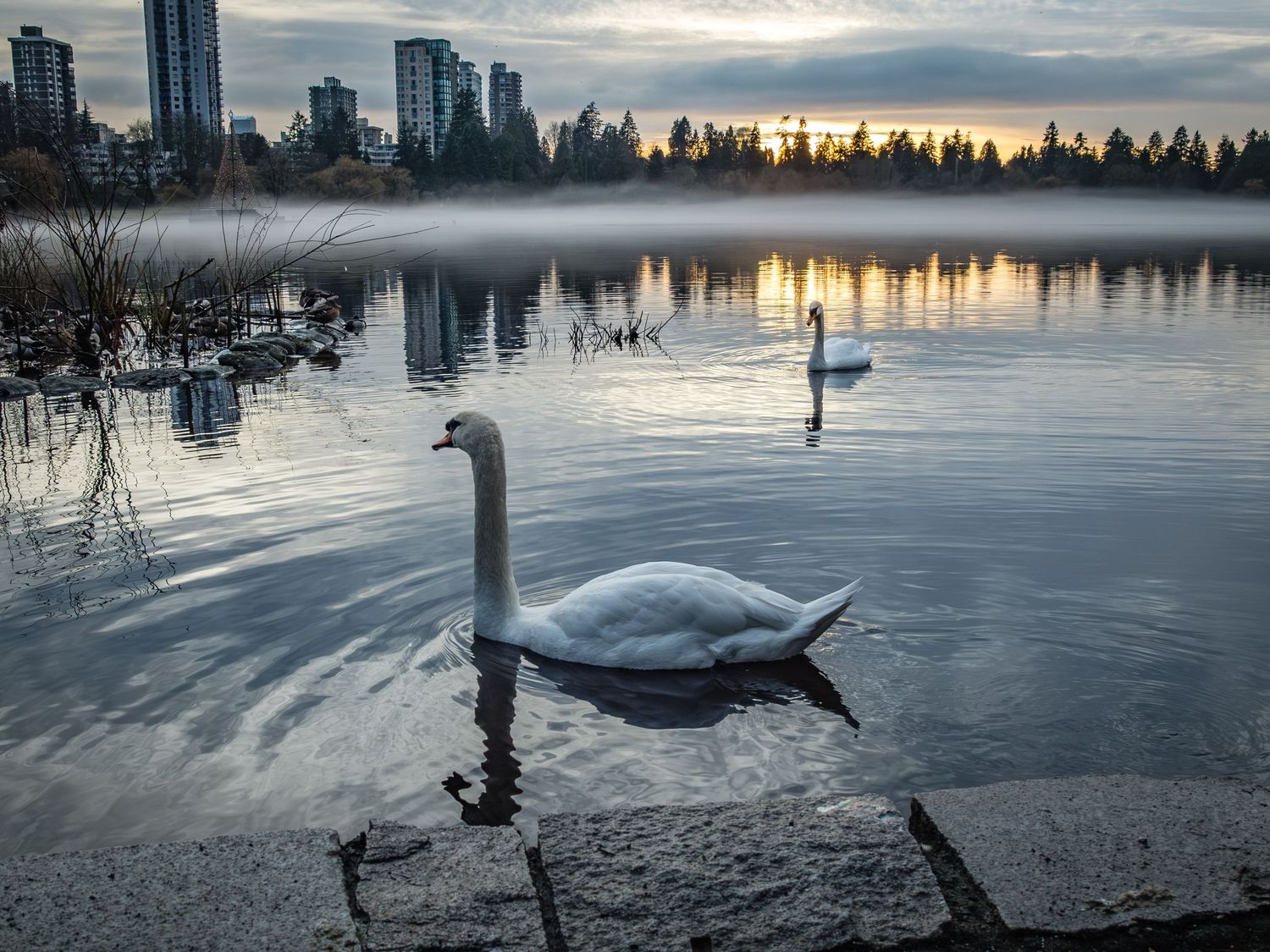
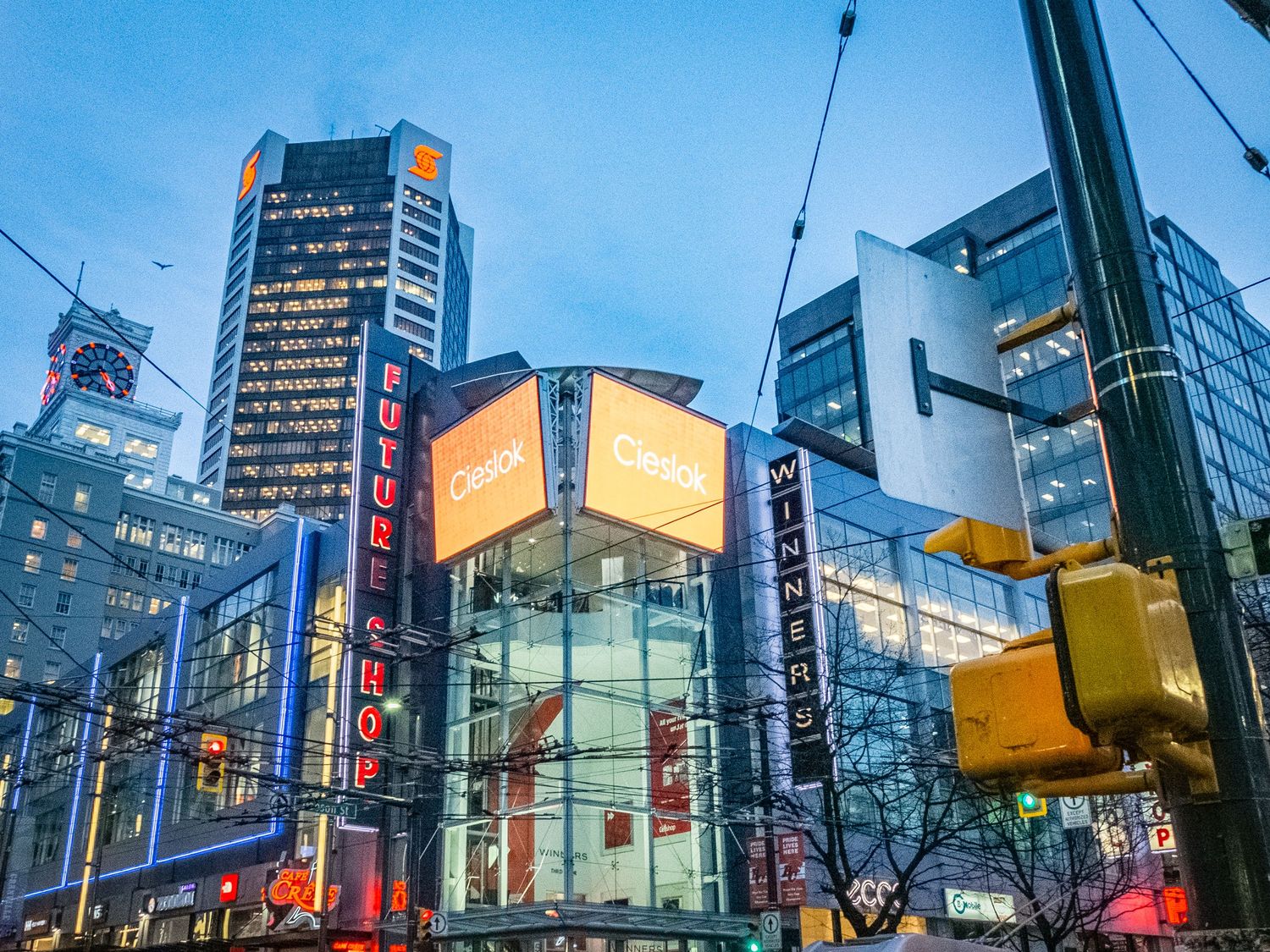
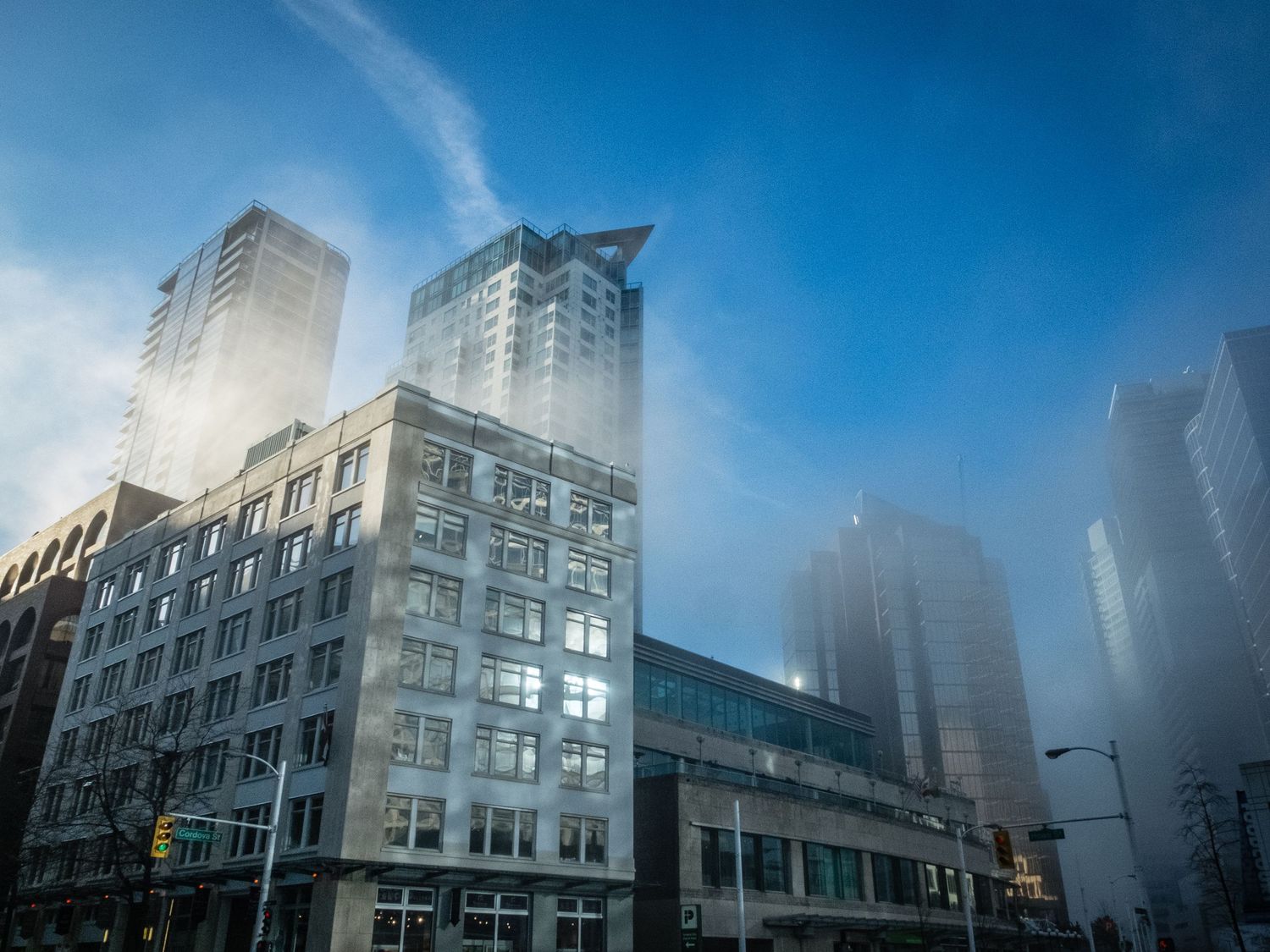
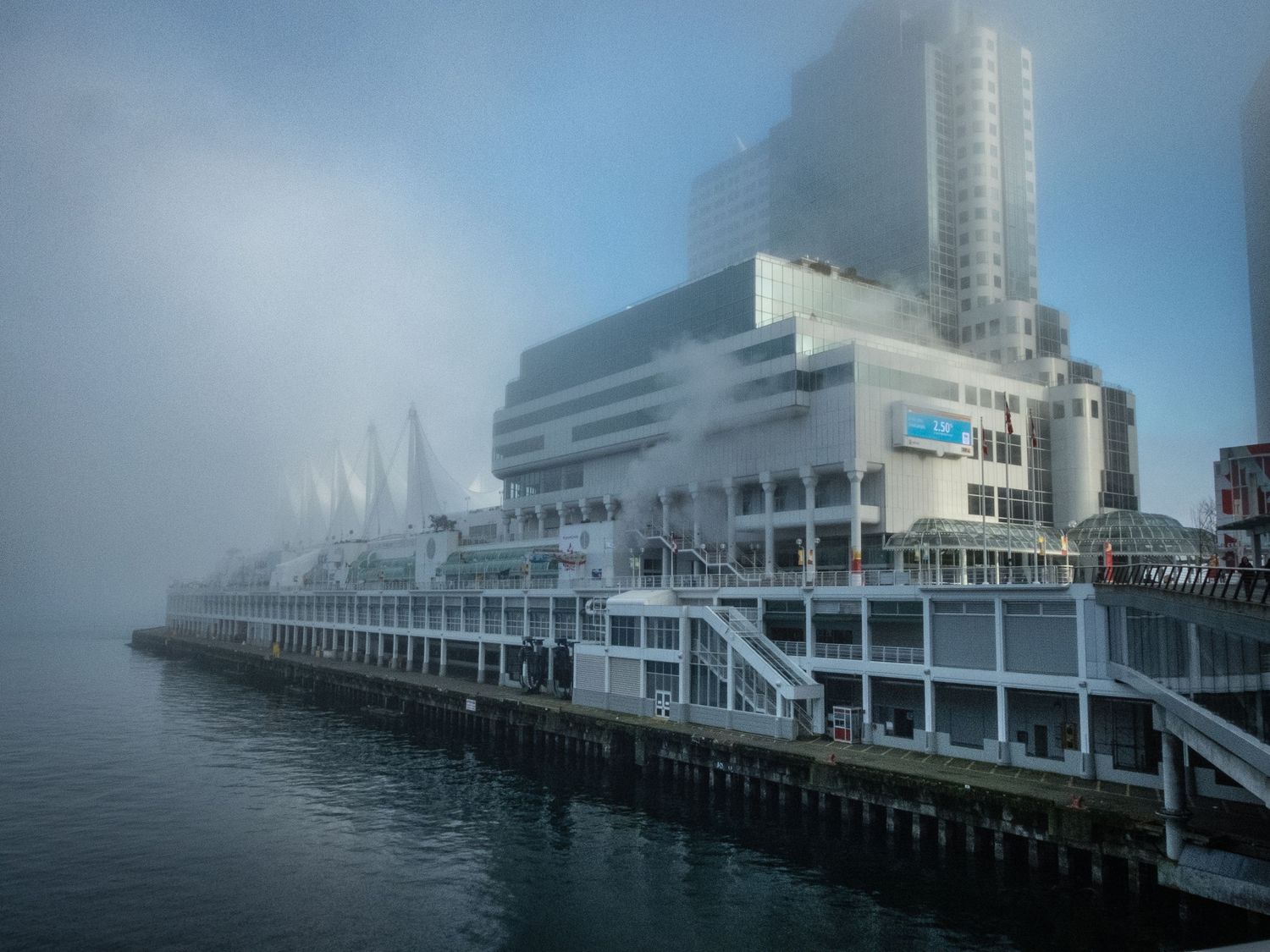
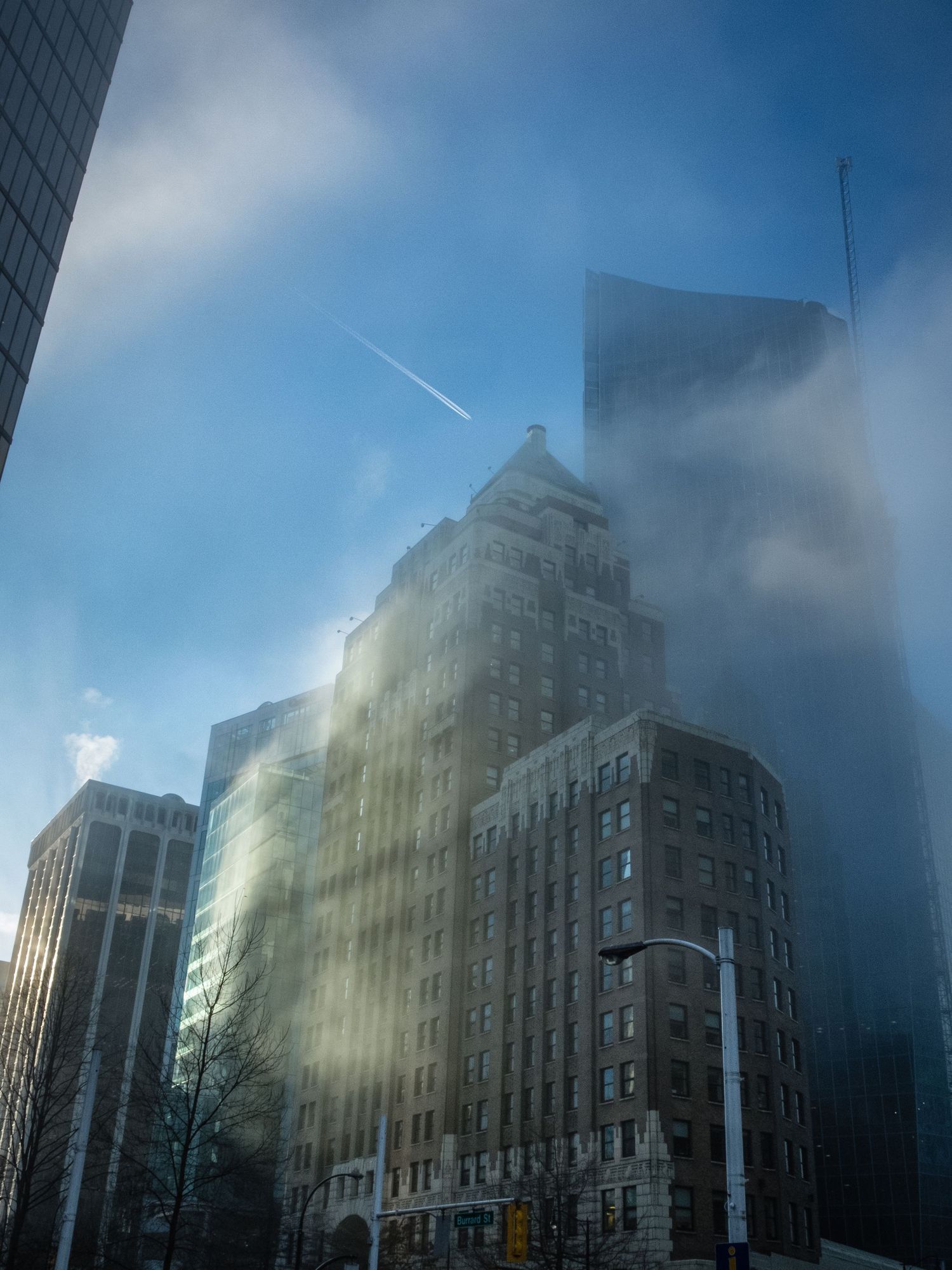
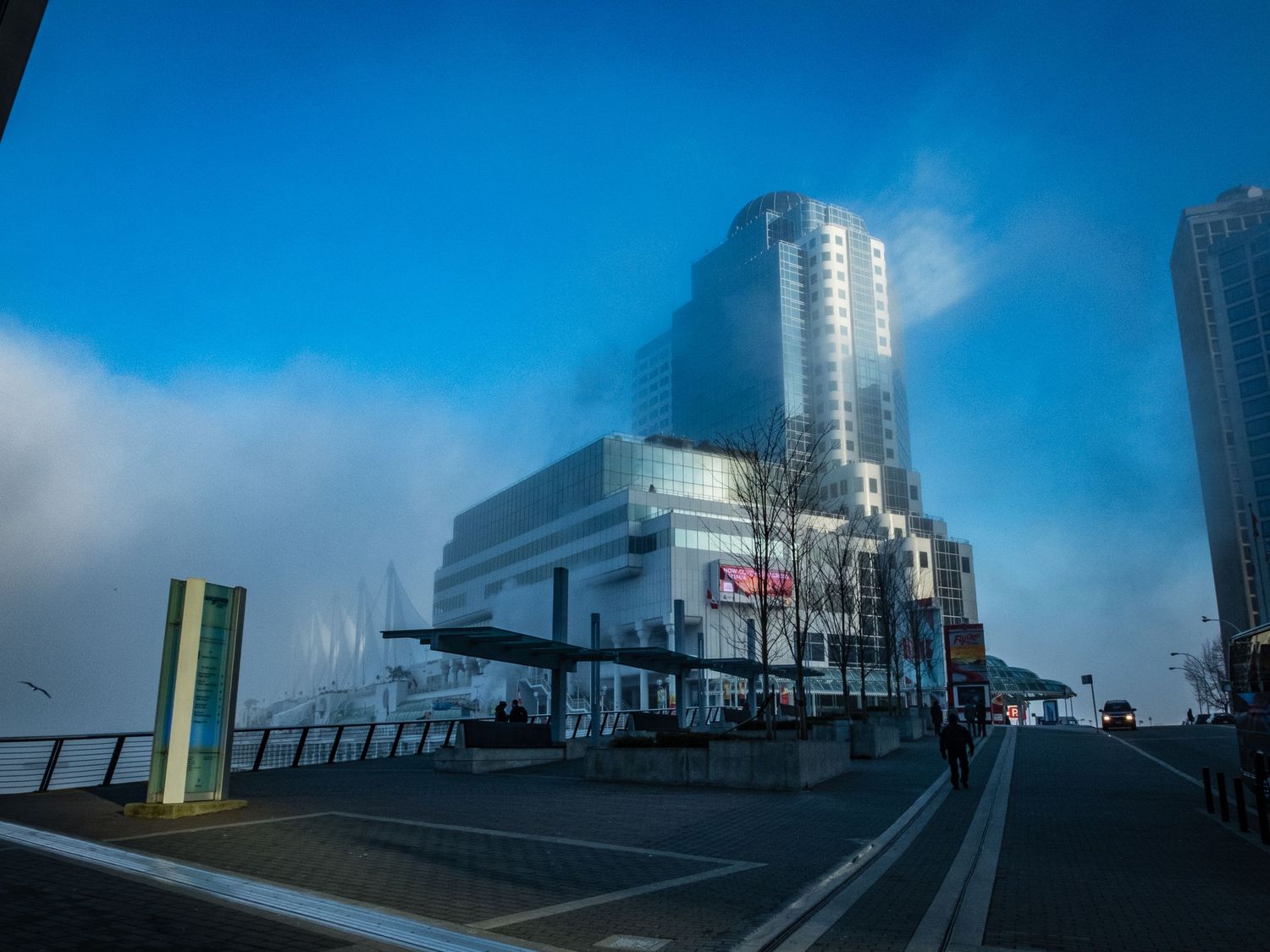
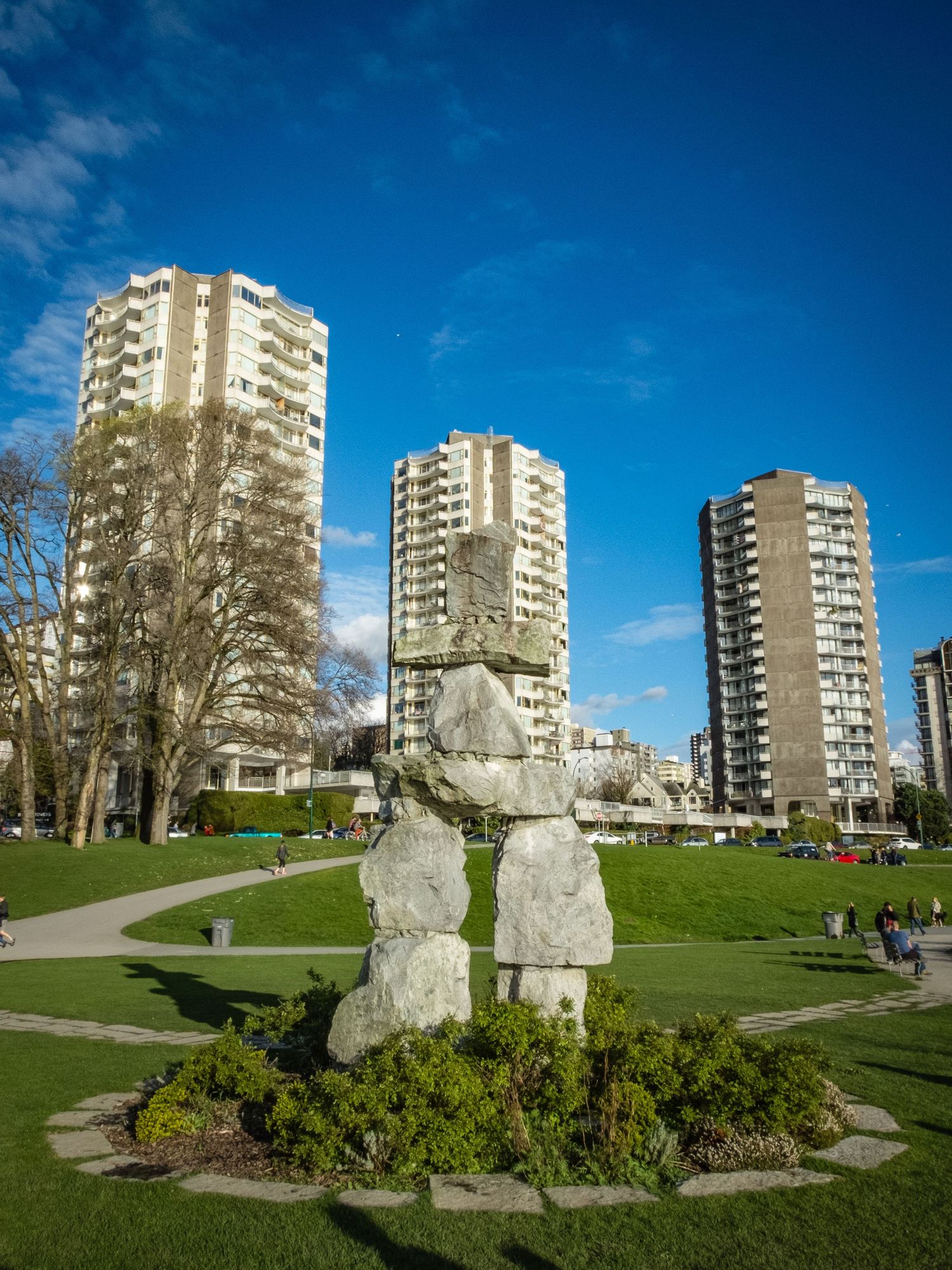
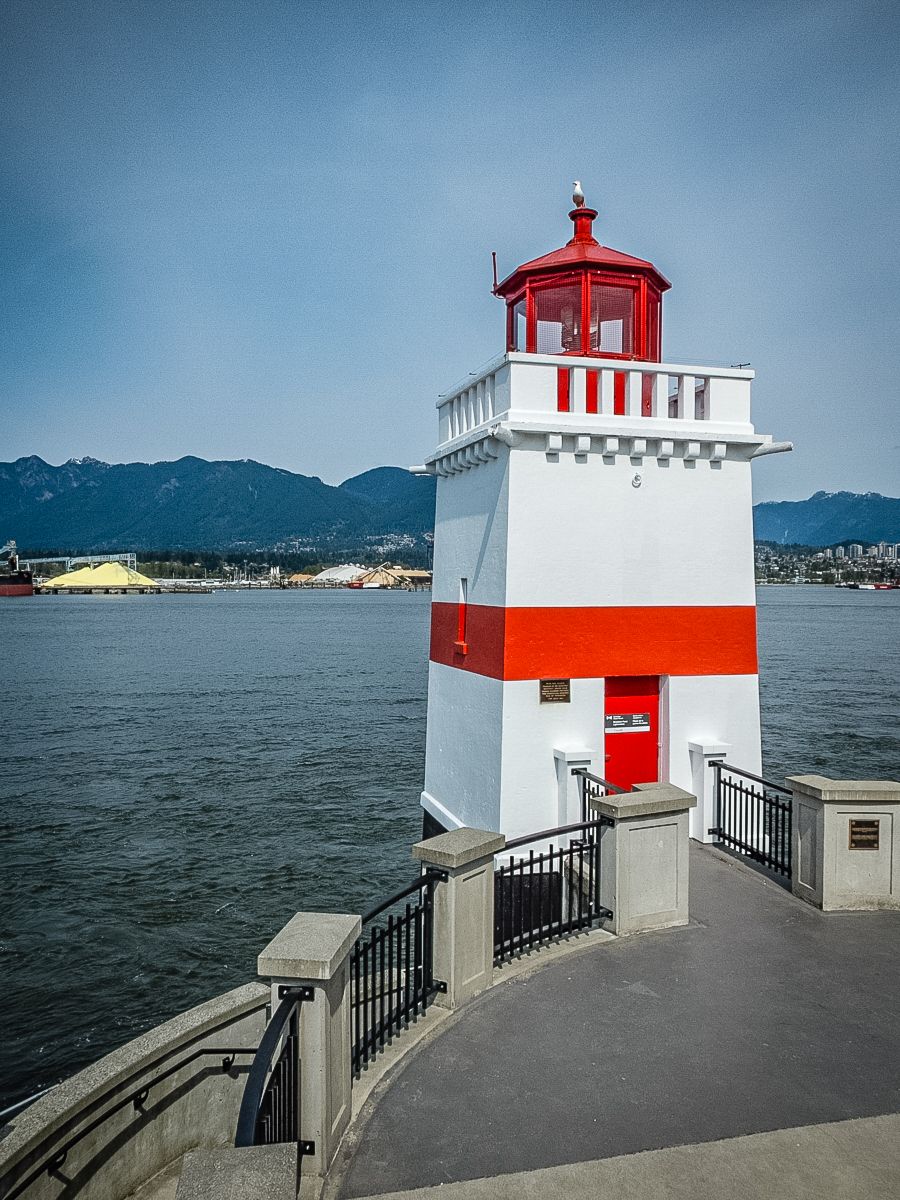
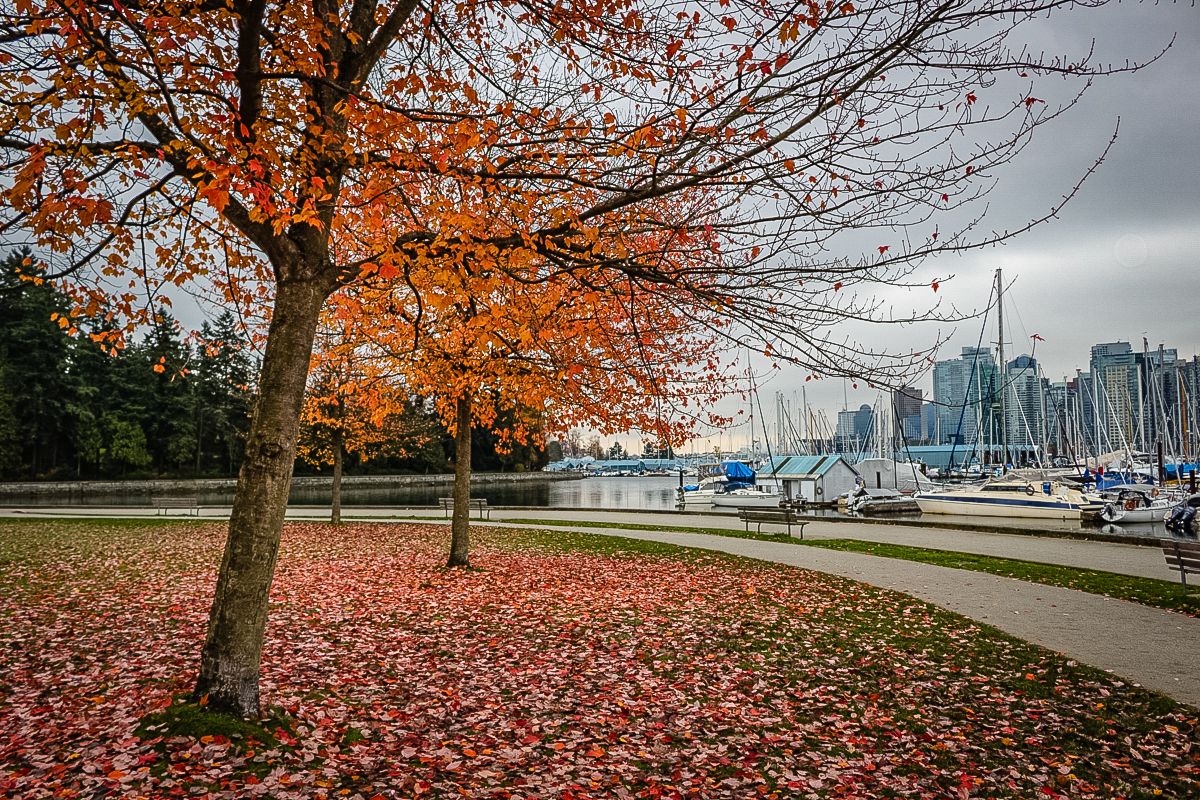
Winter settled in gently. Vancouver rarely shuts down, even in the colder months, and there was something grounding about moving through the city while rain glazed the streets and the mountains hovered low in cloud. Stanley Park became a regular escape. Walking the seawall in the quieter months gave the park a different mood, subdued and reflective, with stretches of path that felt almost private. The West End felt especially alive during winter evenings, lights glowing through apartment windows and cafés filling with people ducking in from the rain.
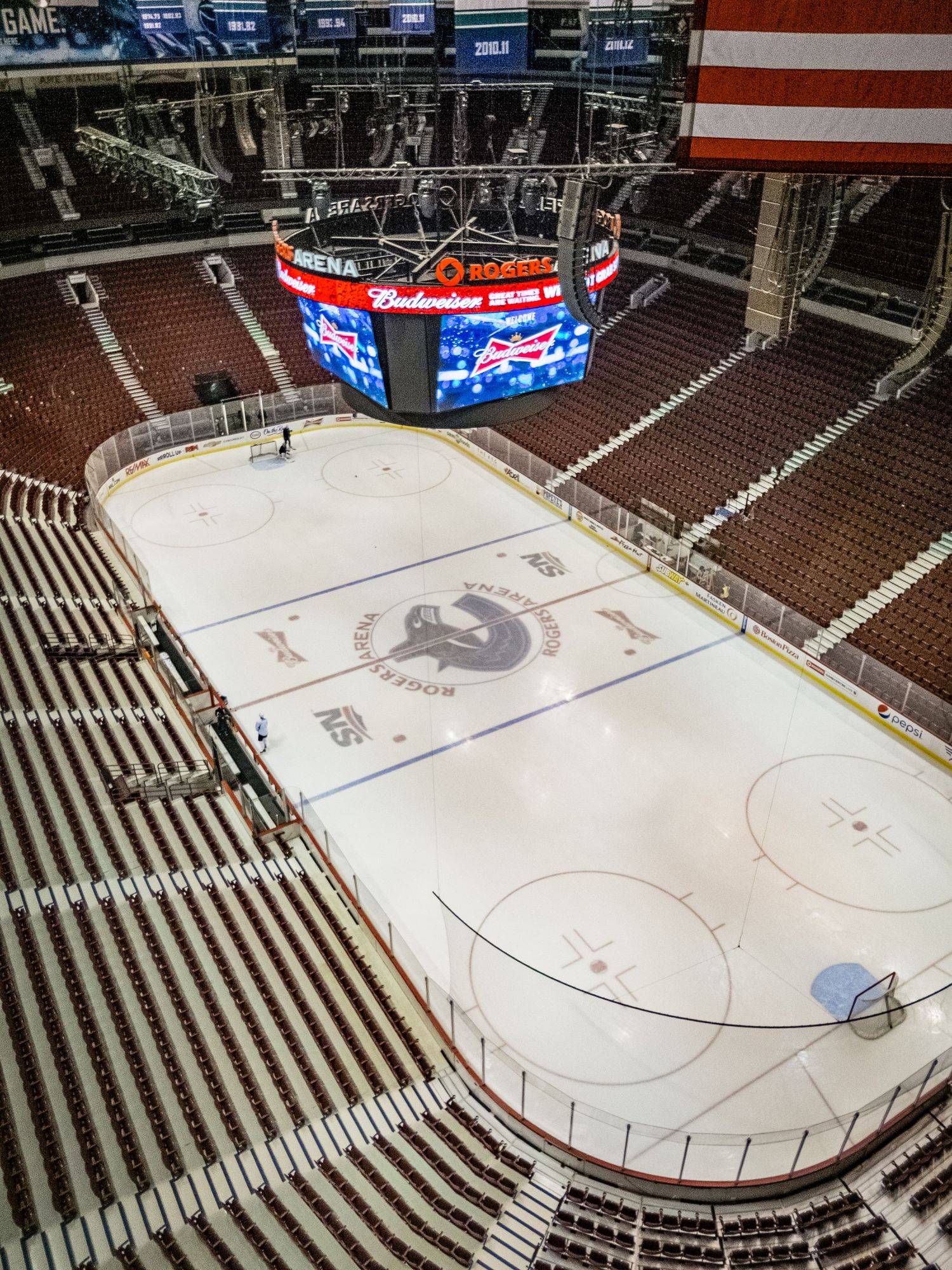
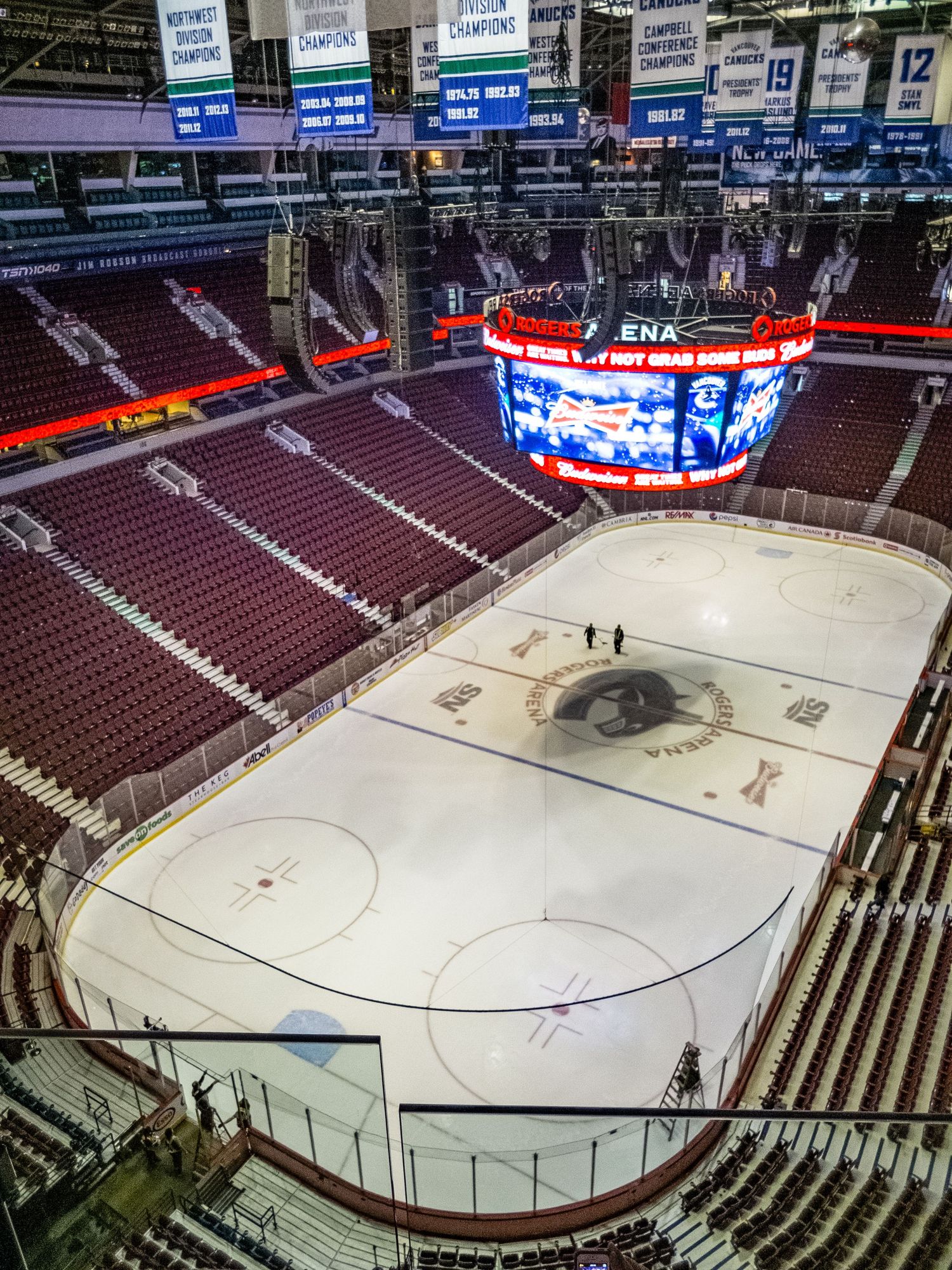
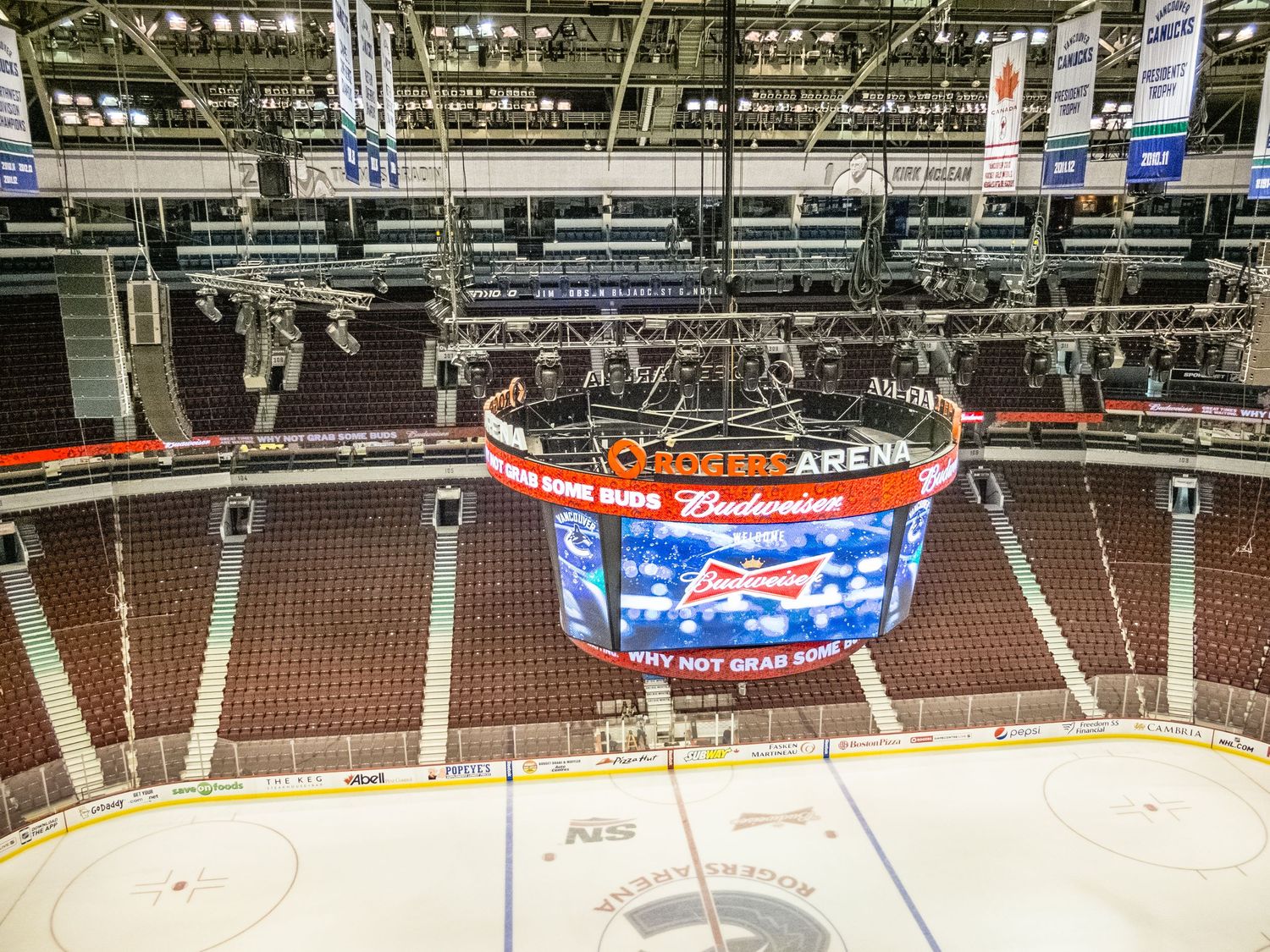
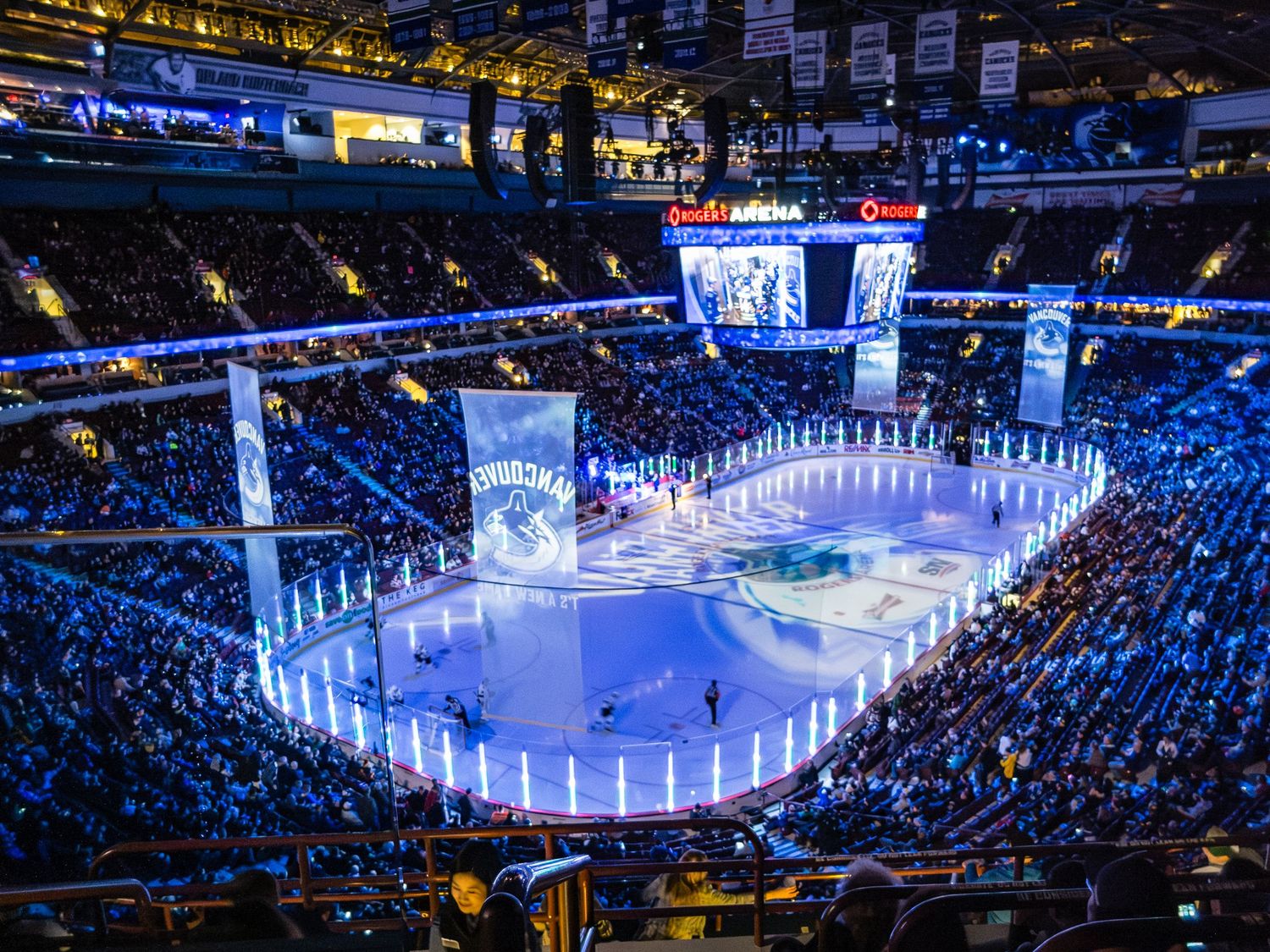
Hockey threaded itself through life that year. Vancouver Canucks games at Rogers Arena were a constant, whether in the stands or watching with friends. The arena tour added another layer, standing beneath the seating, walking through locker room corridors, and seeing how the city’s identity ties itself so closely to the team. Win or lose, game nights carried an energy that pulled people together.
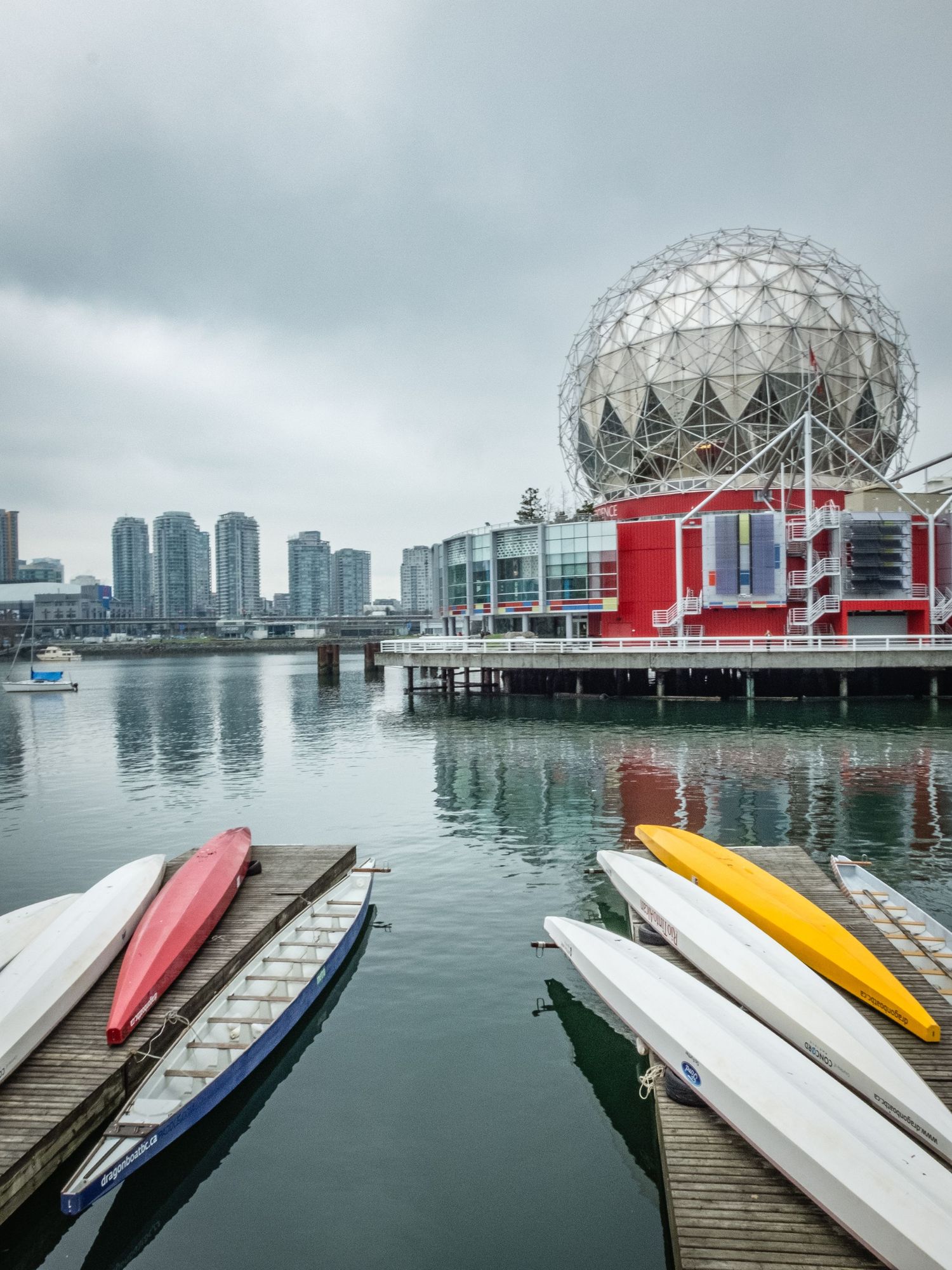
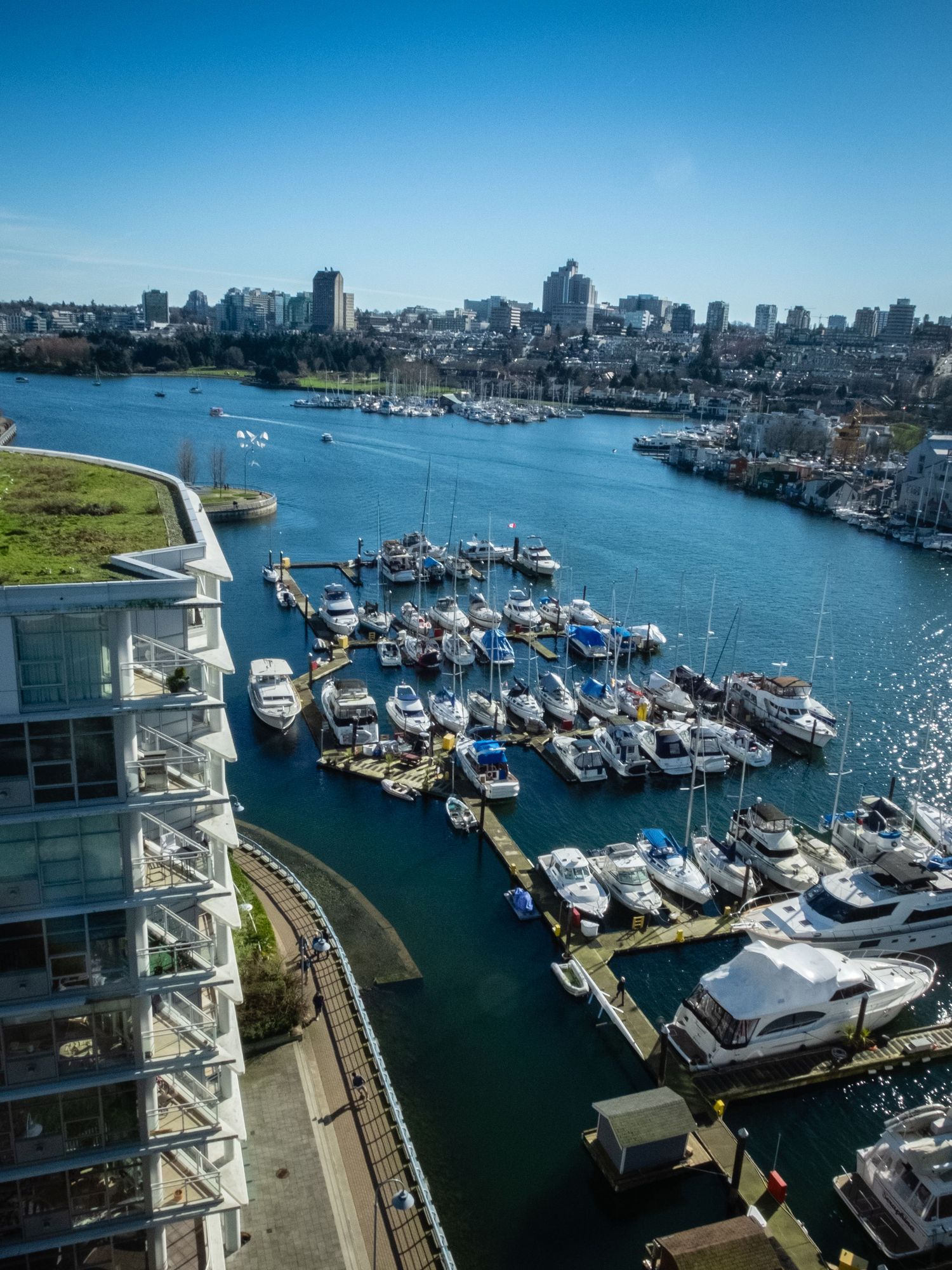
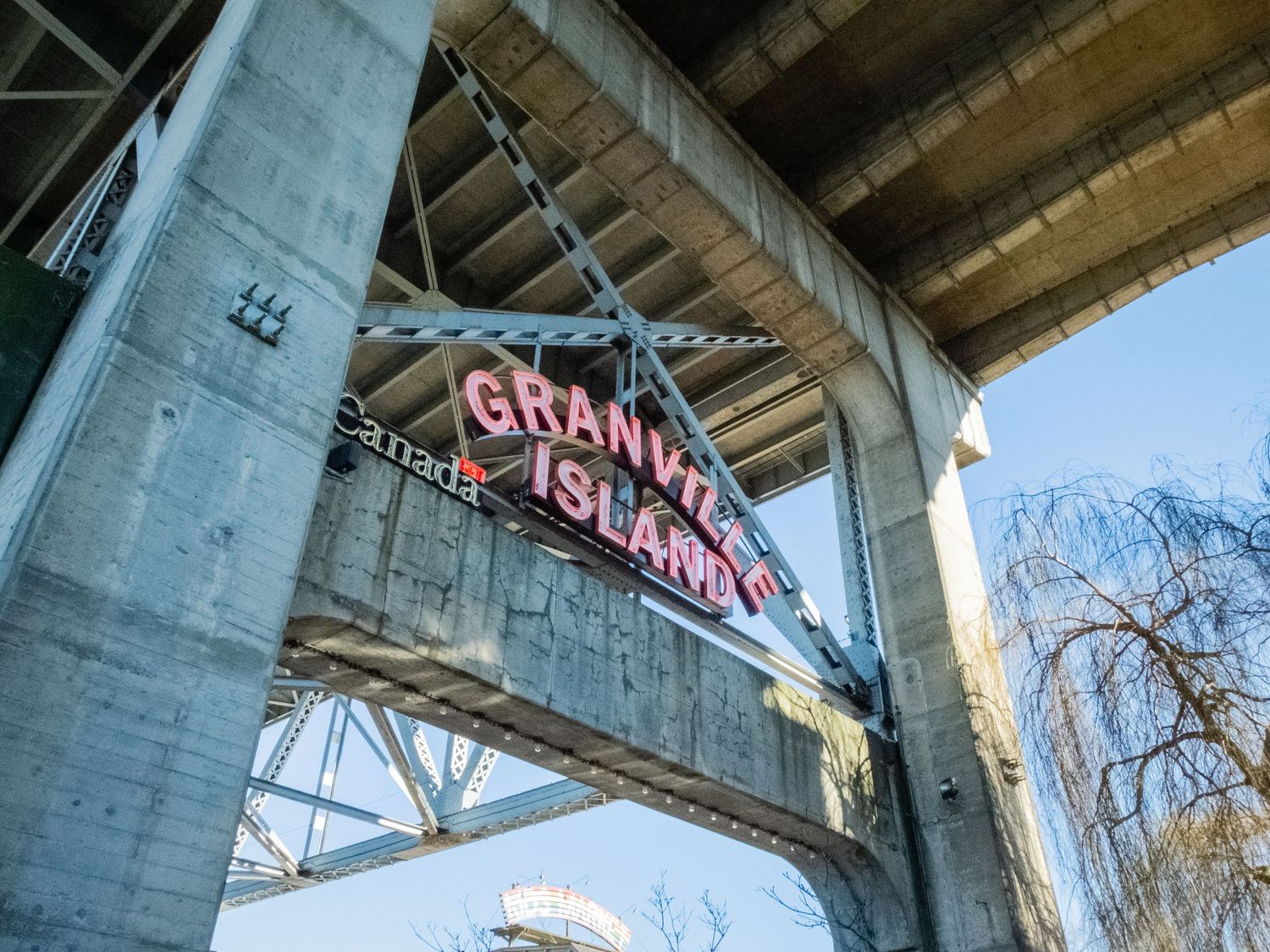
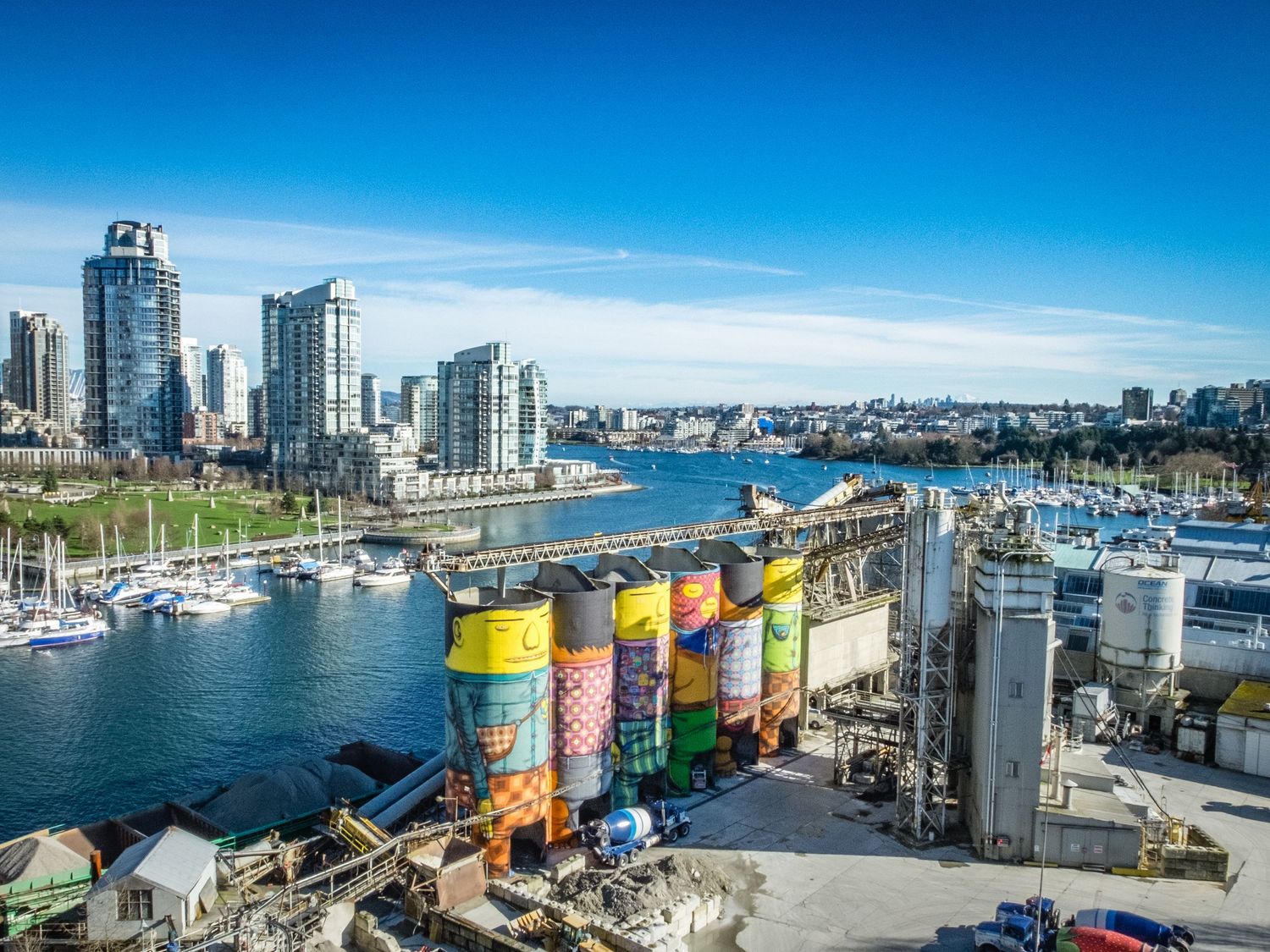
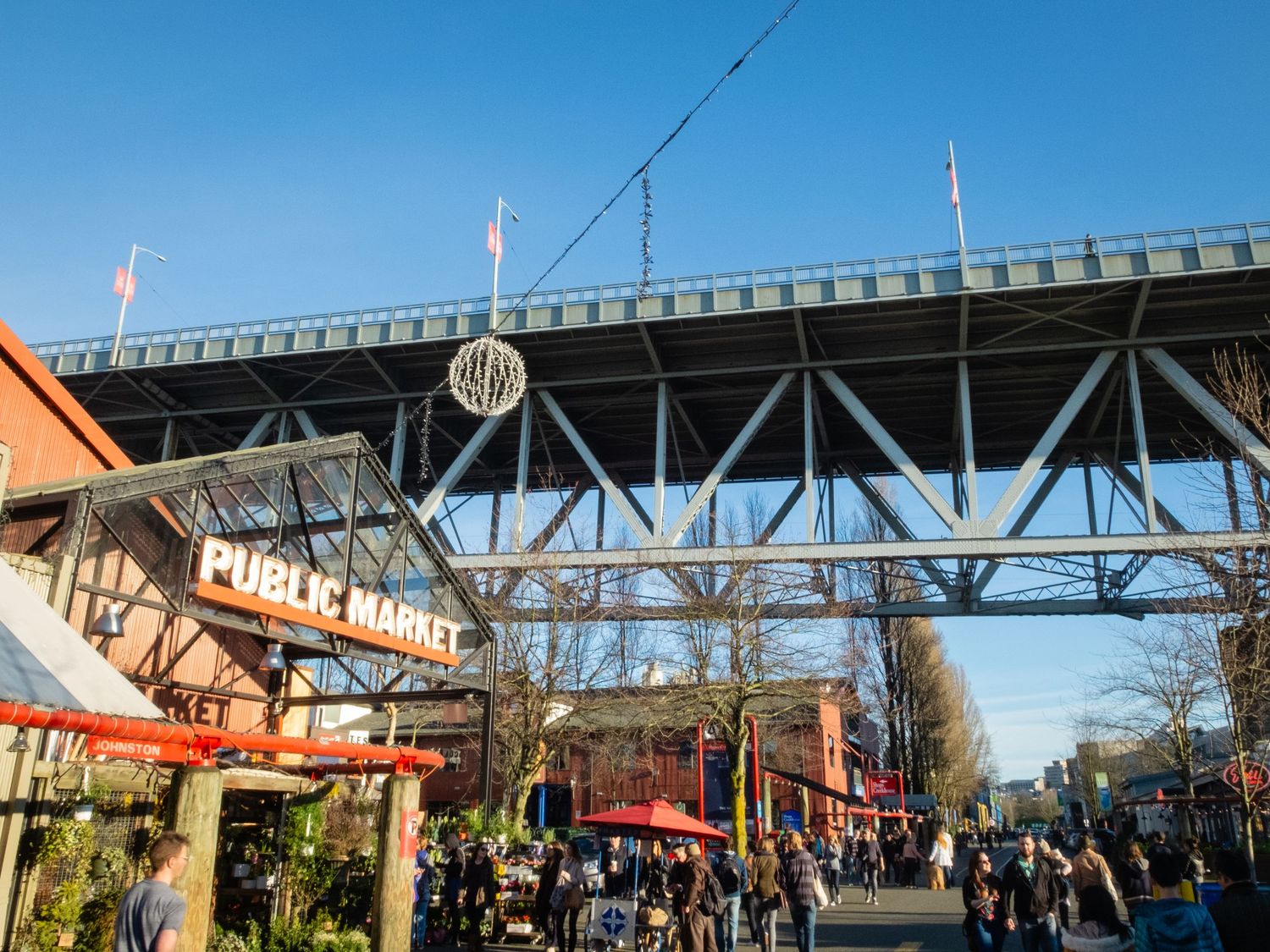
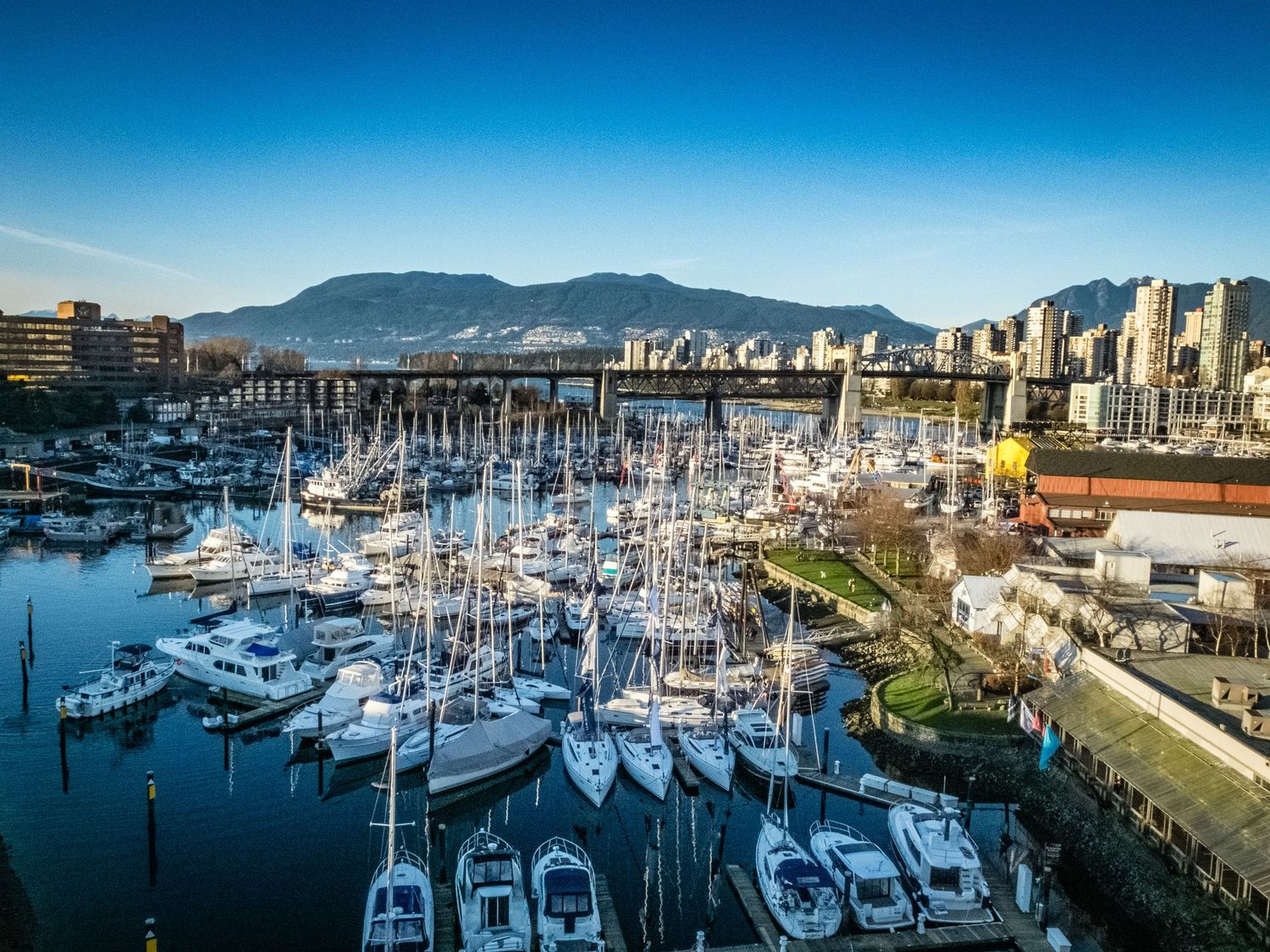
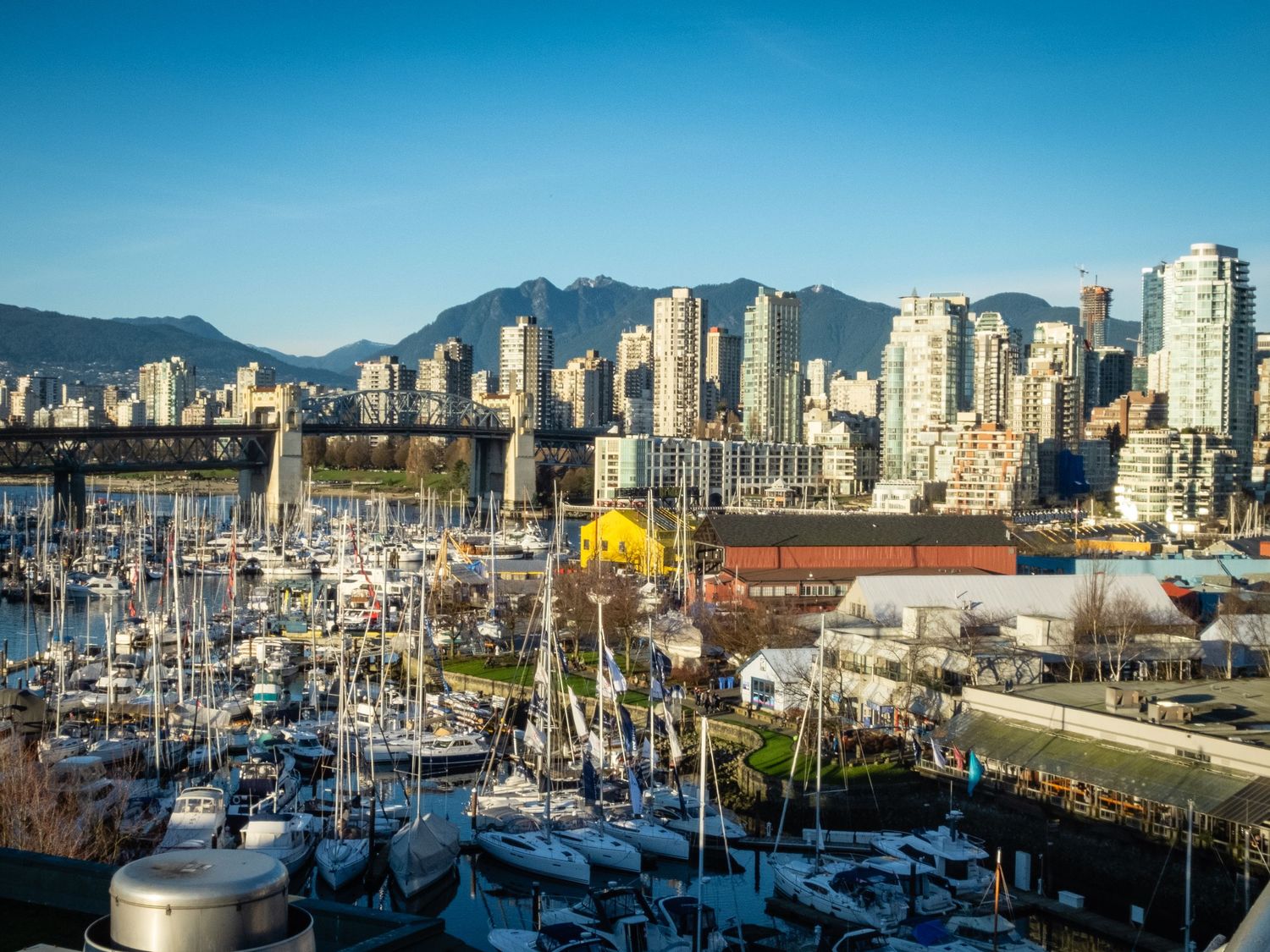
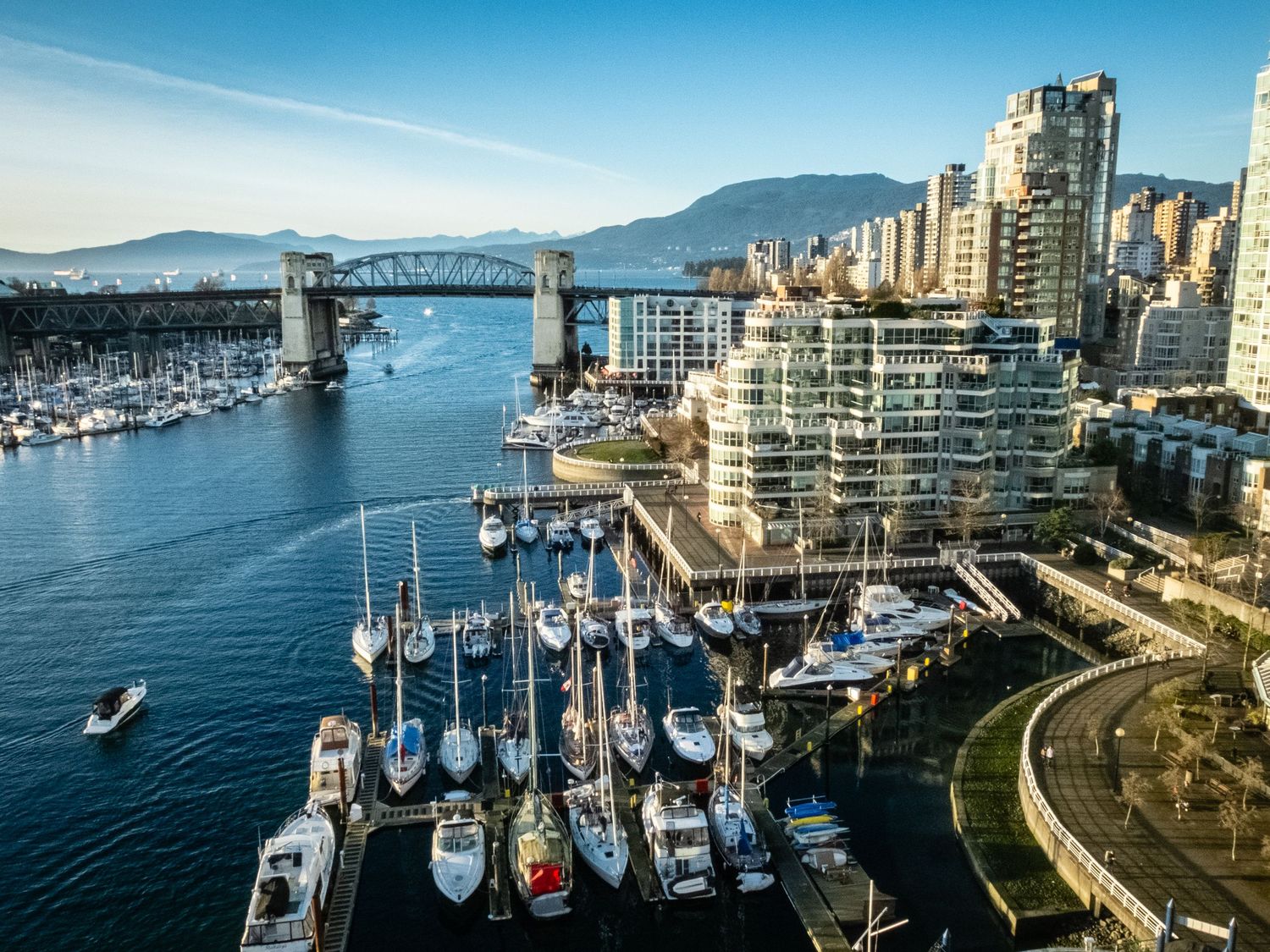
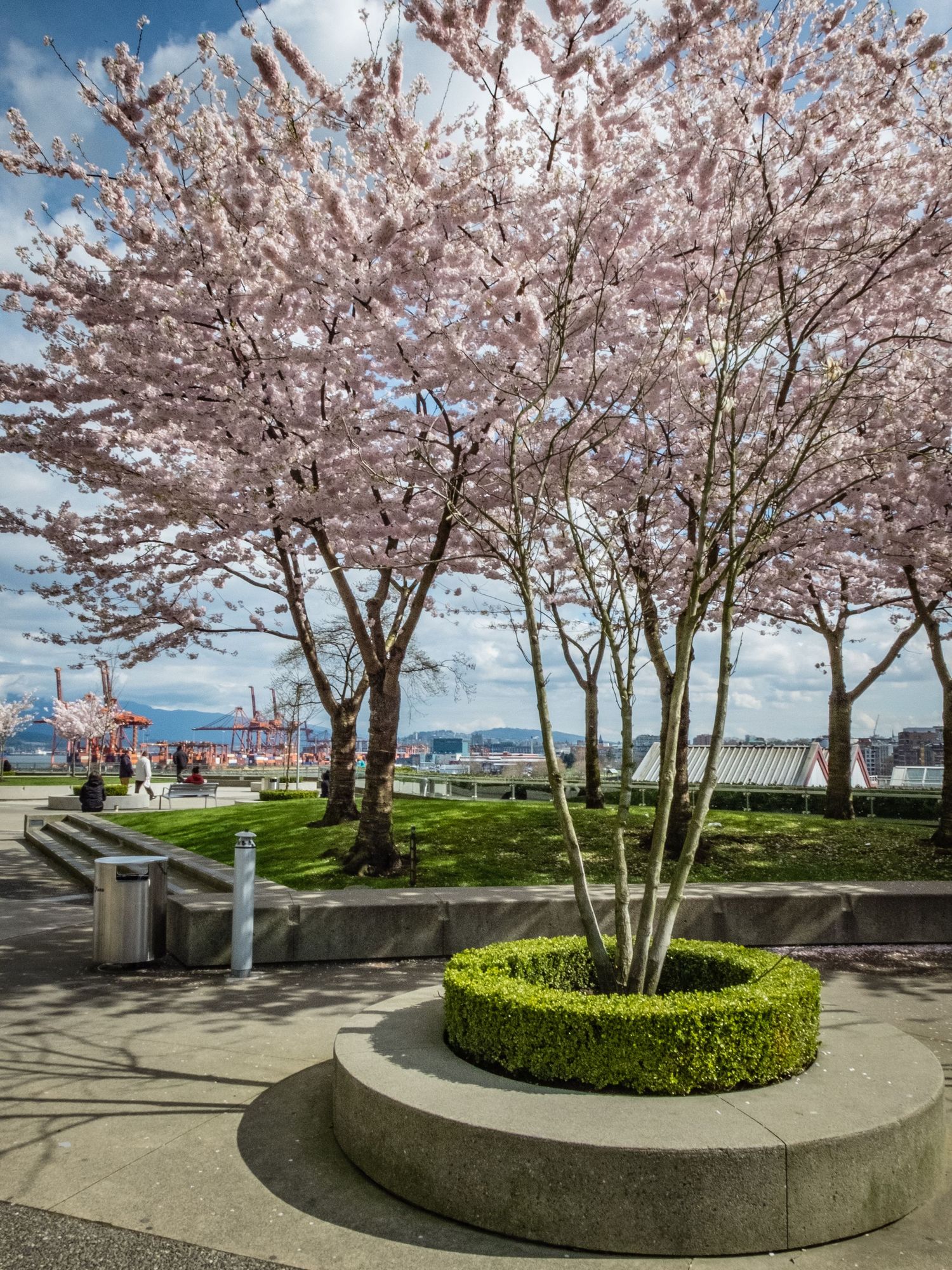
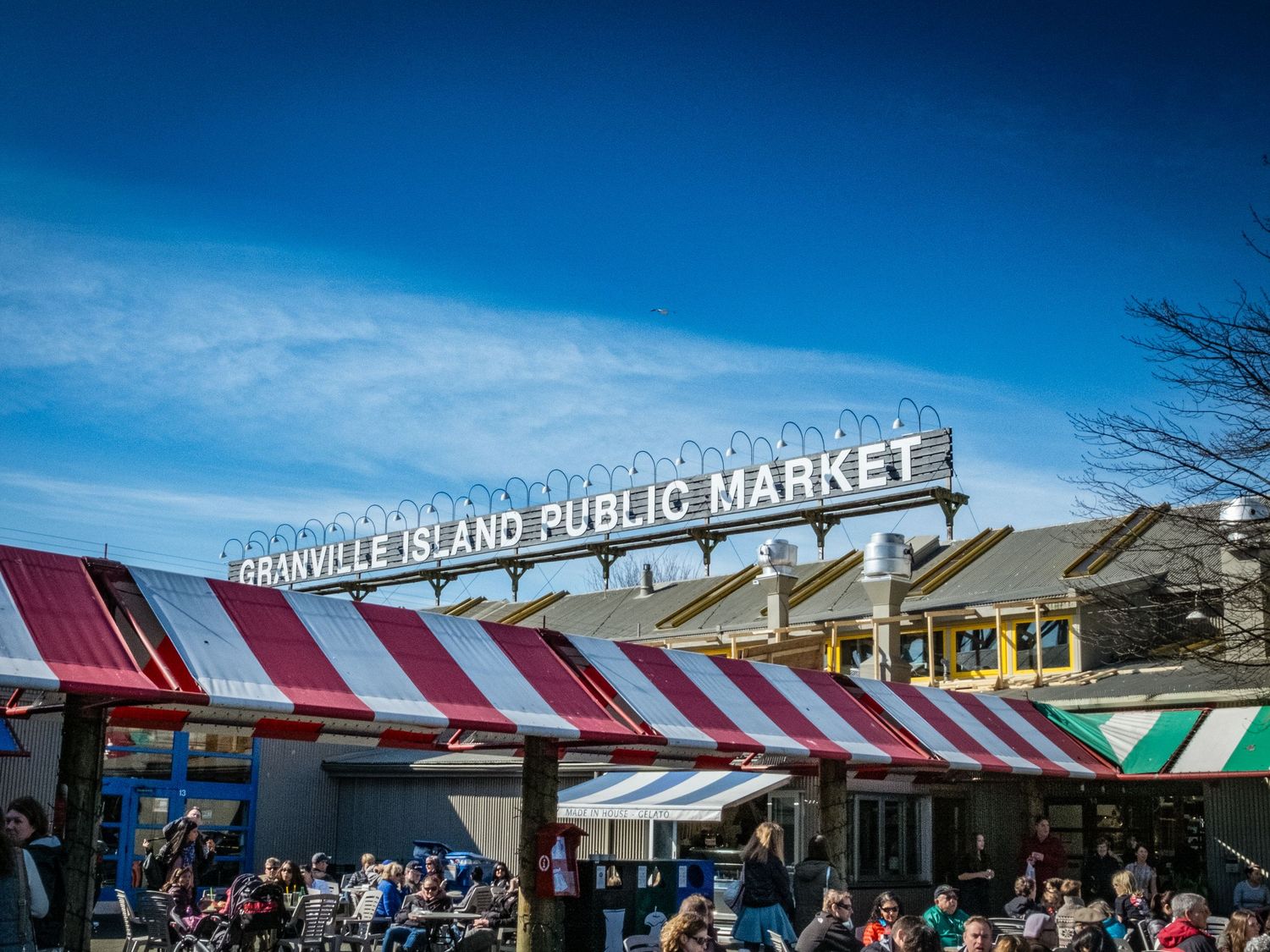
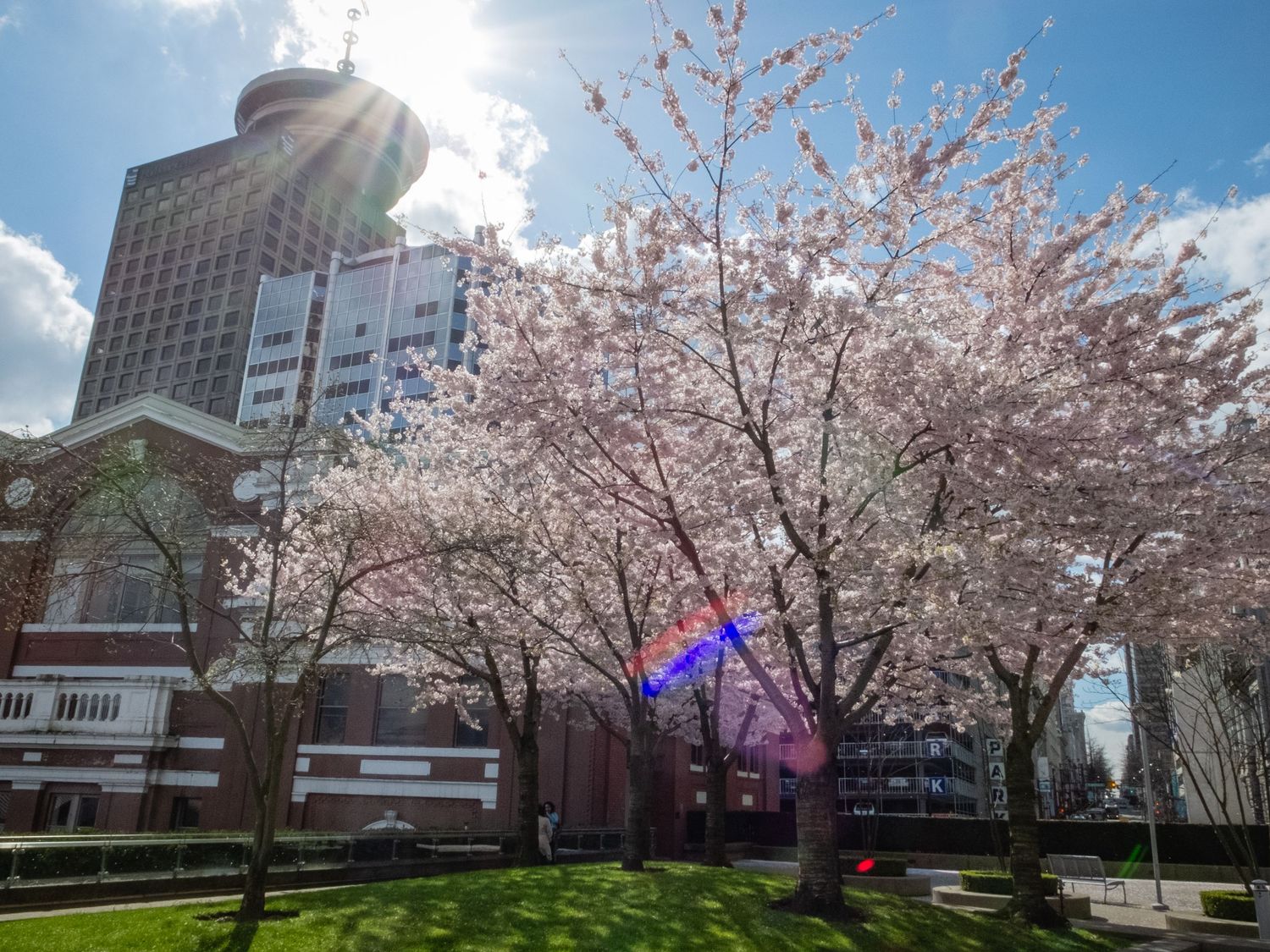
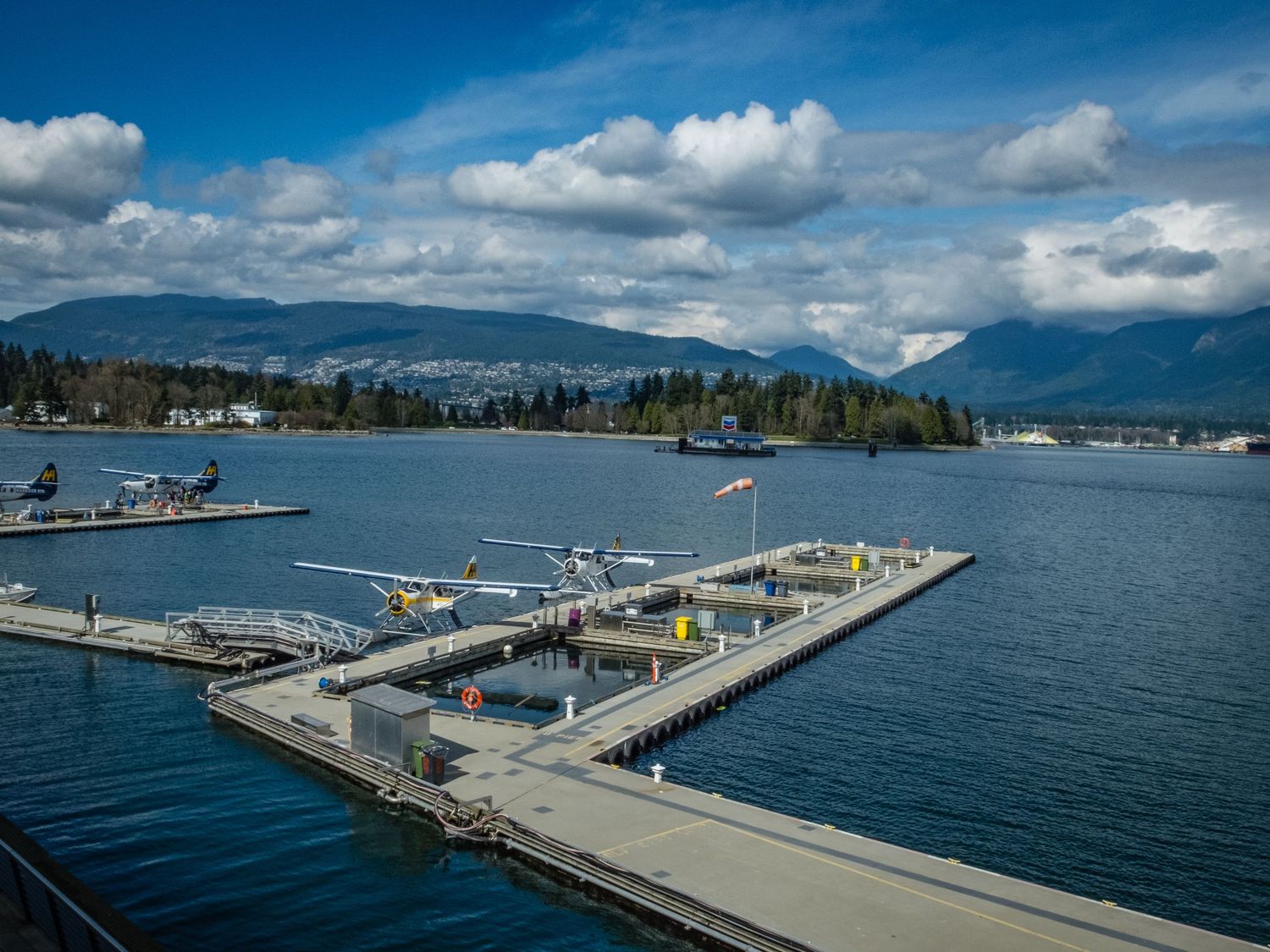
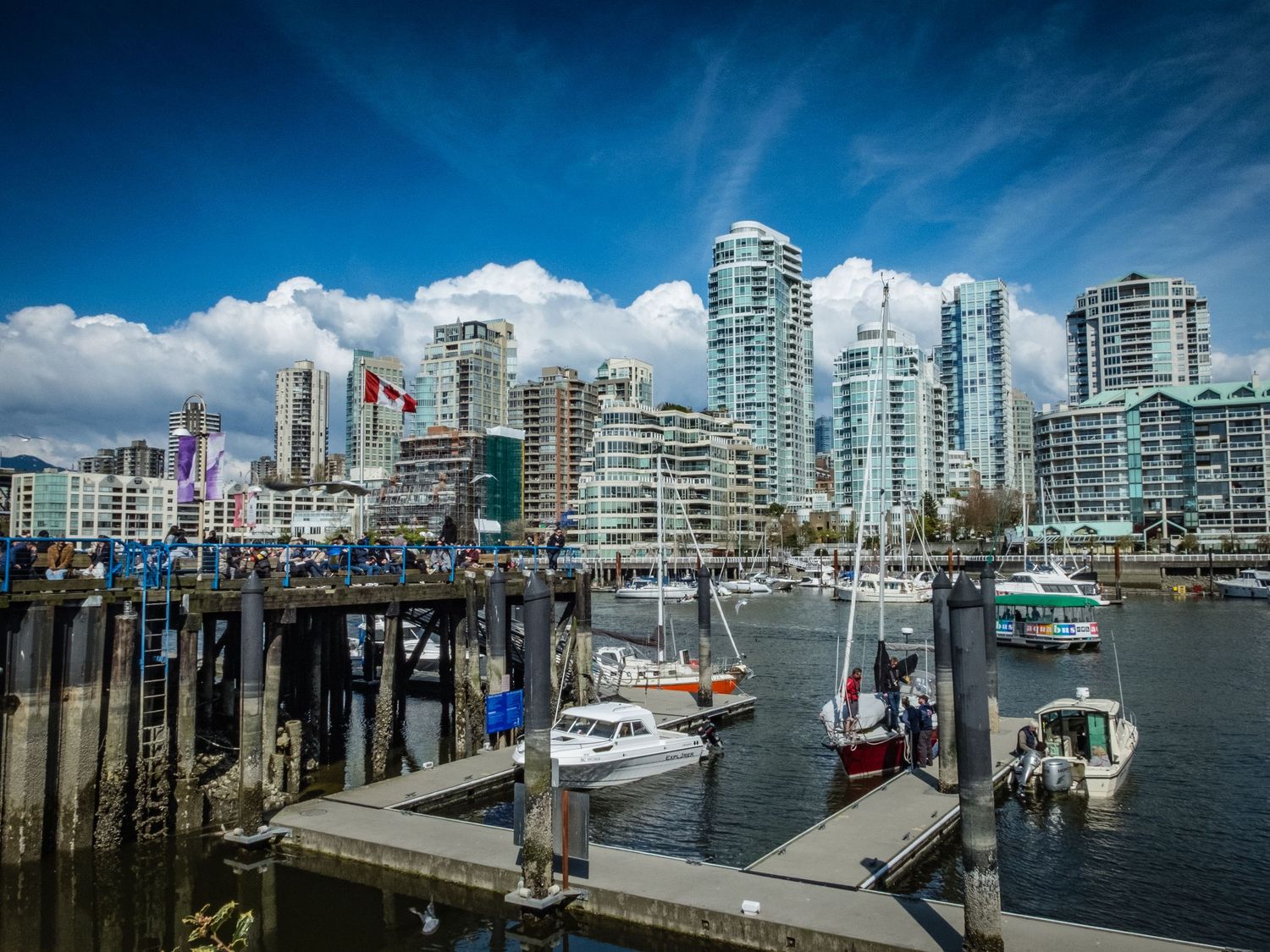
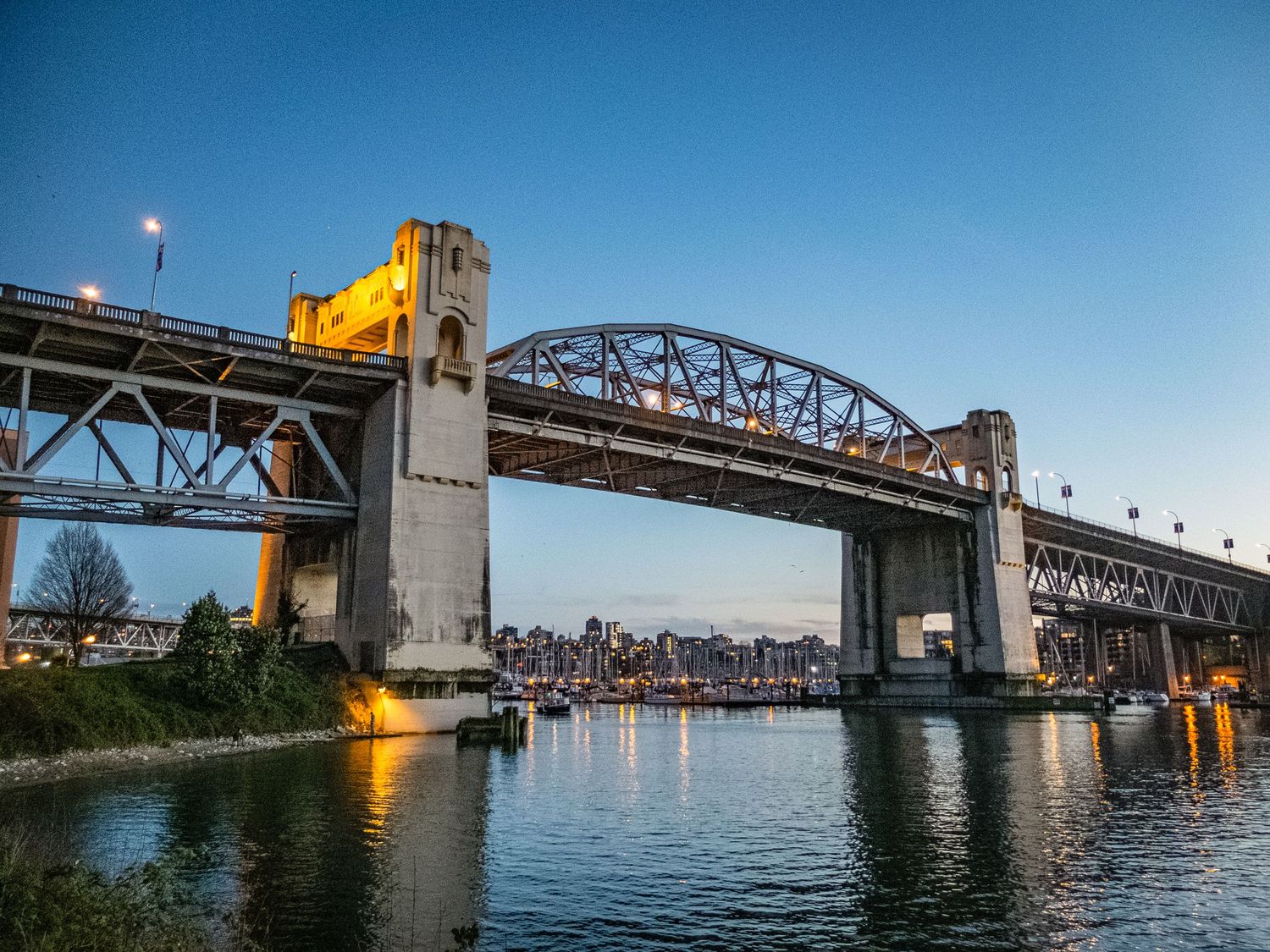
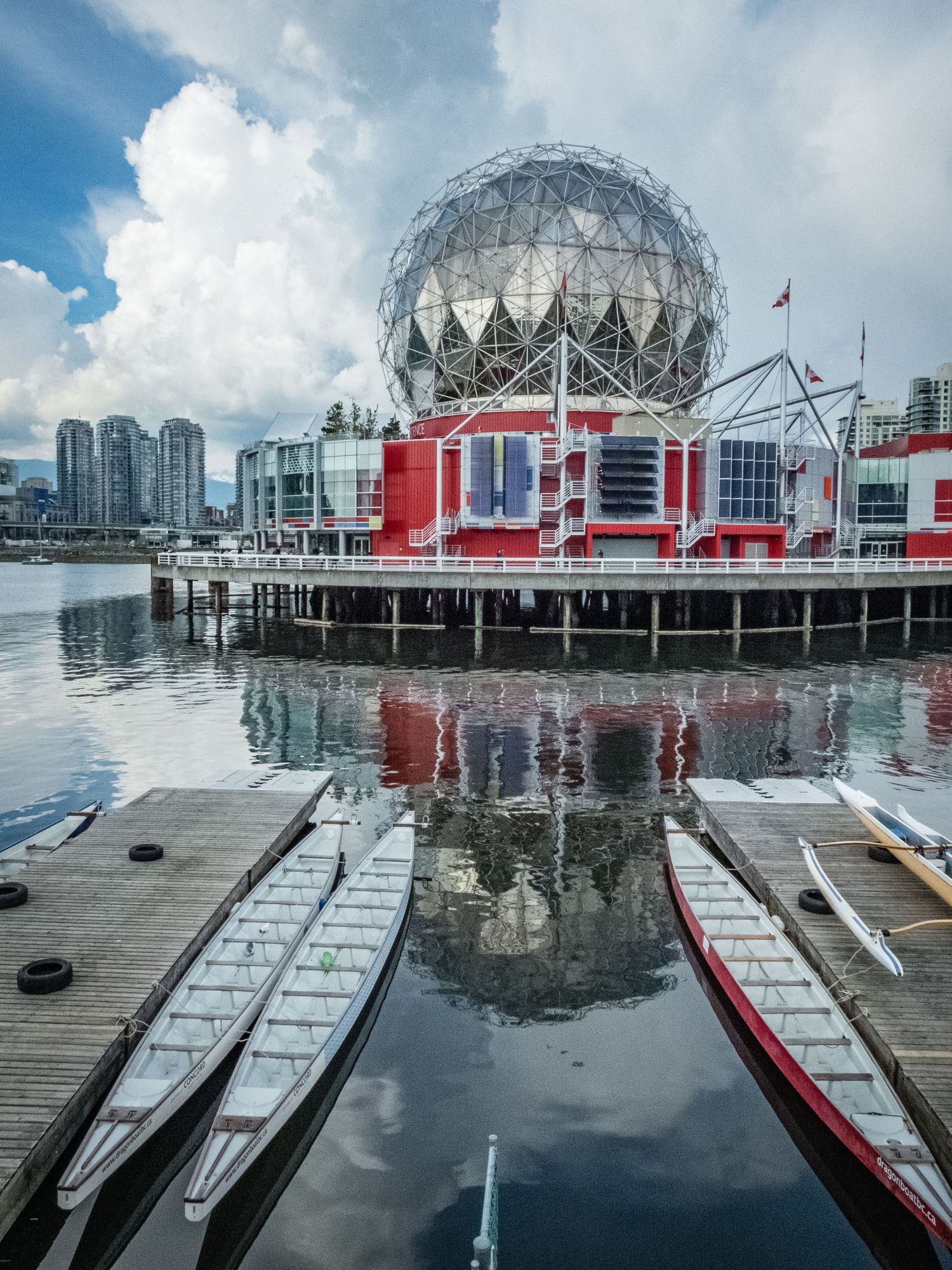
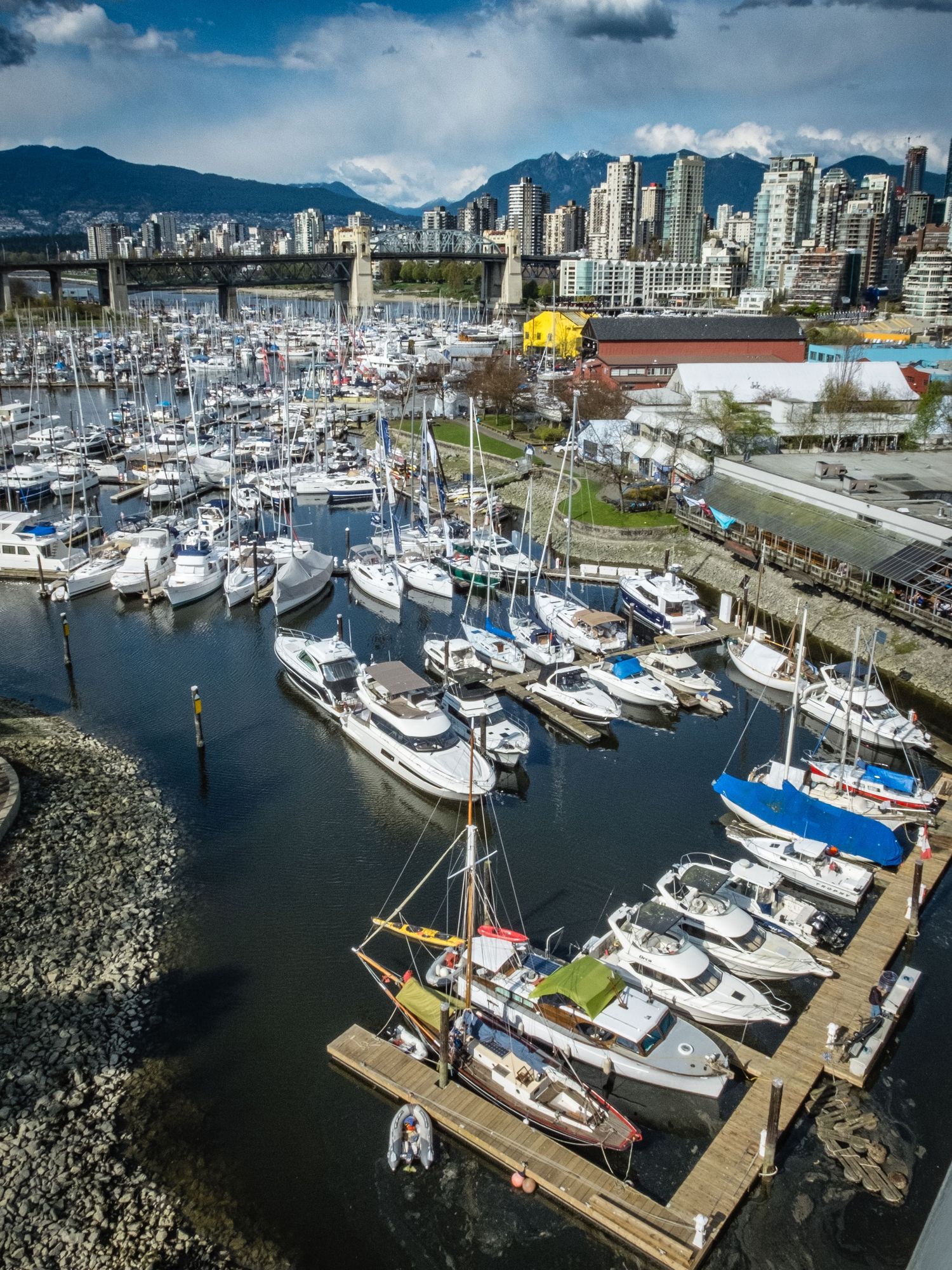
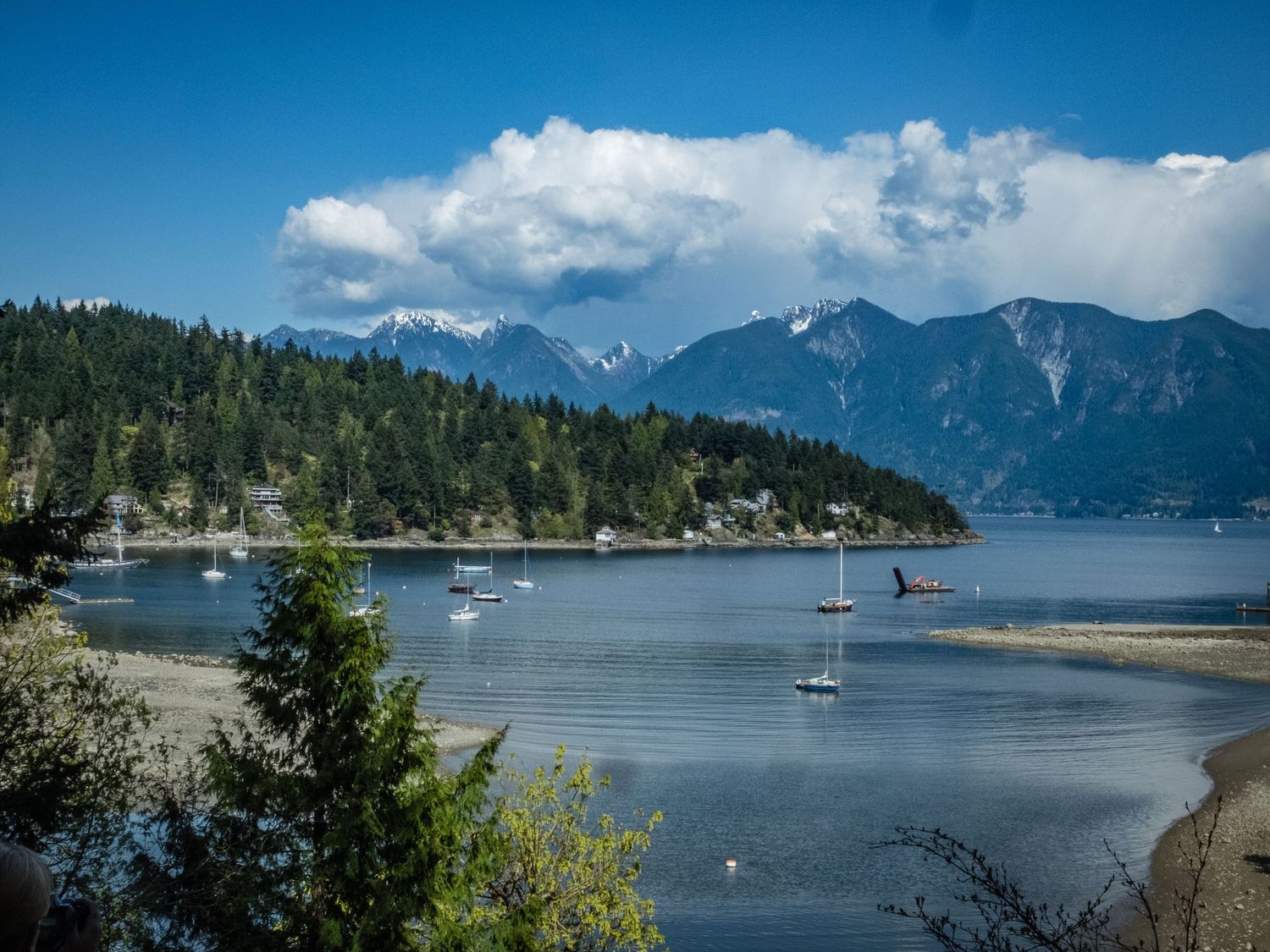
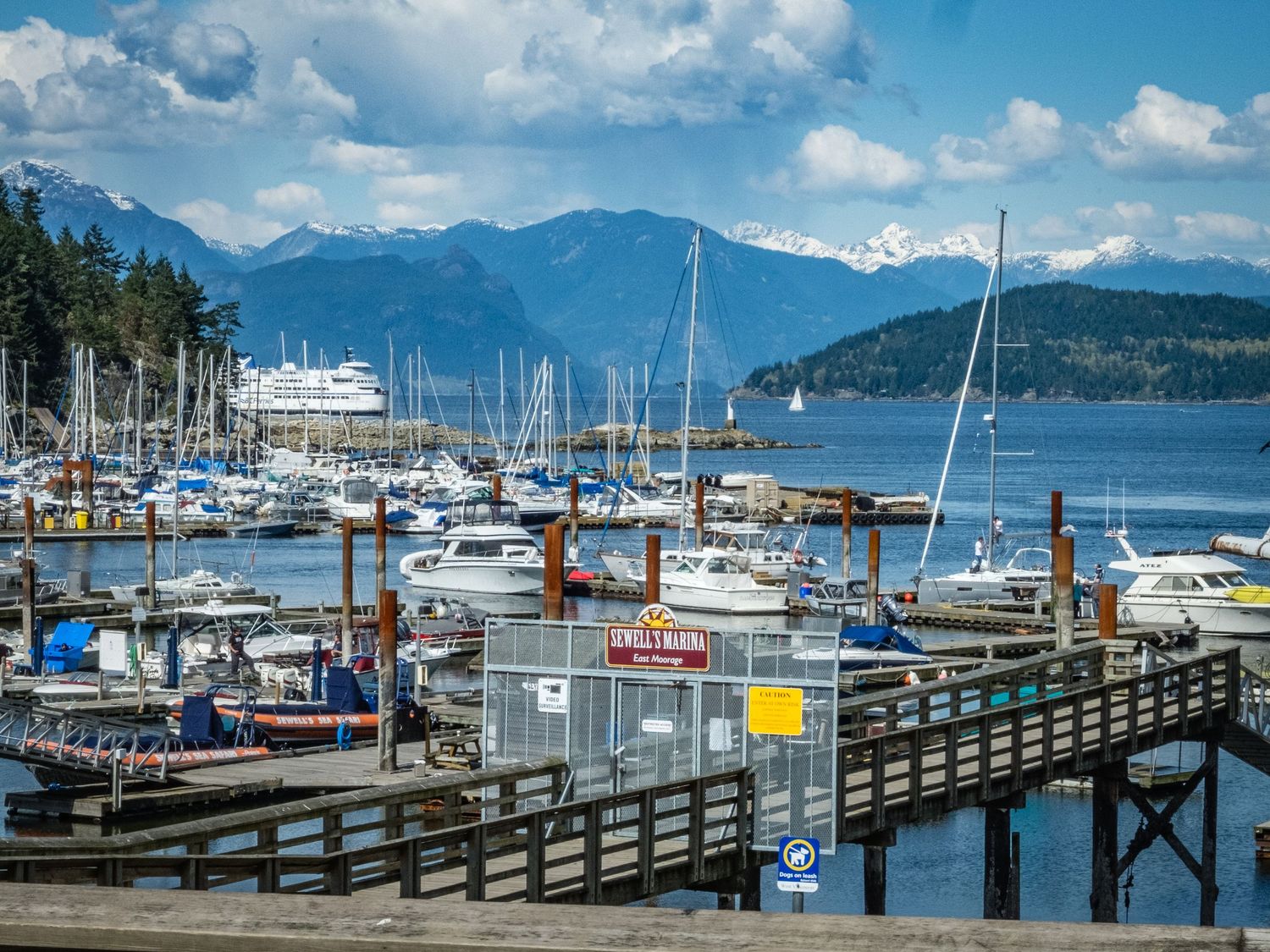
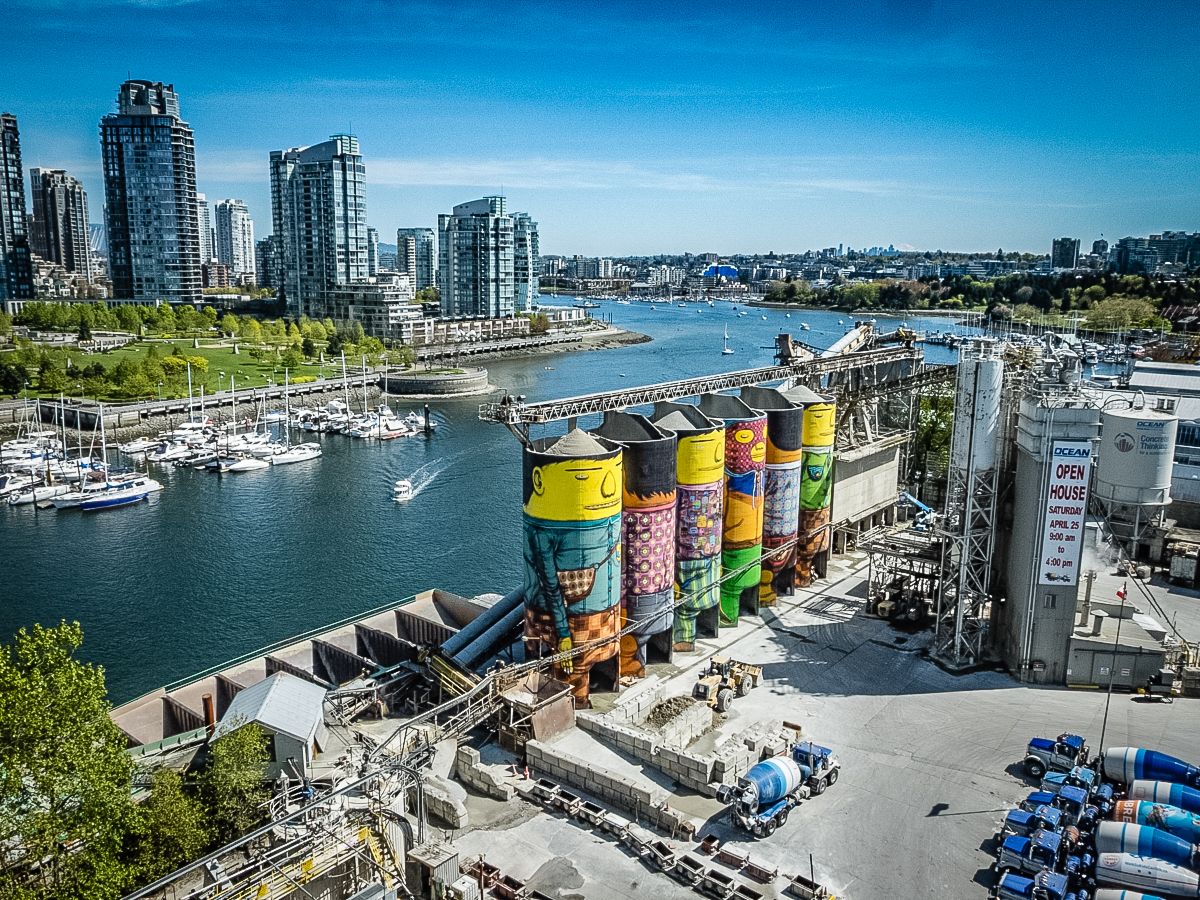
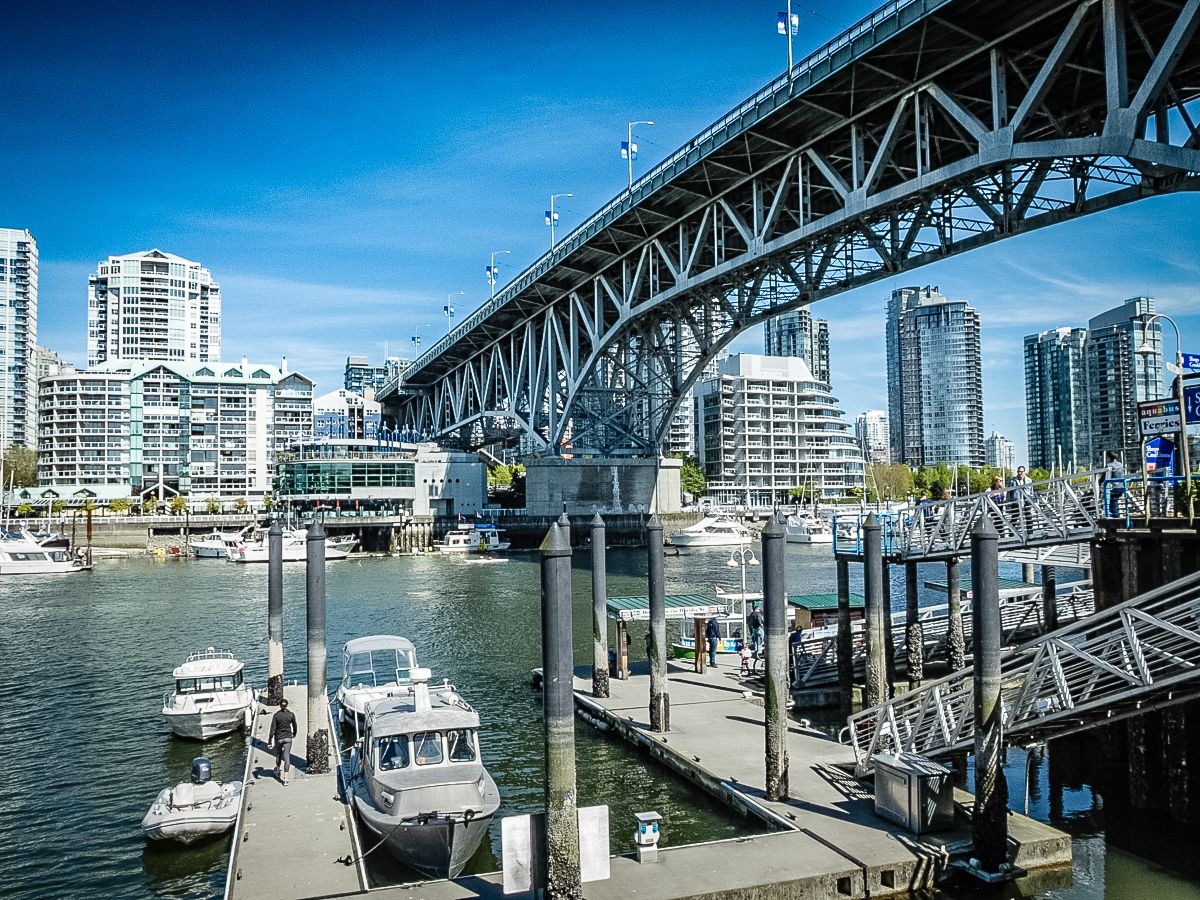
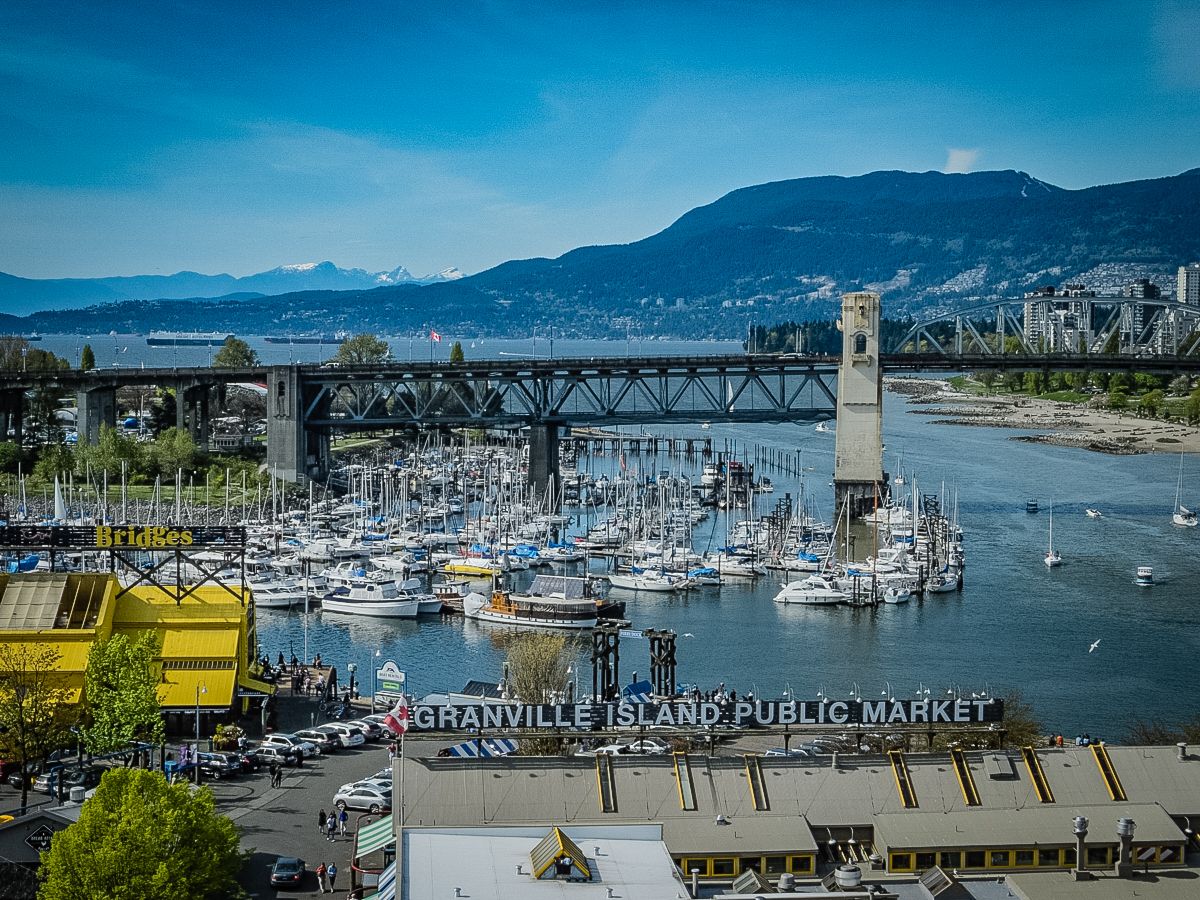
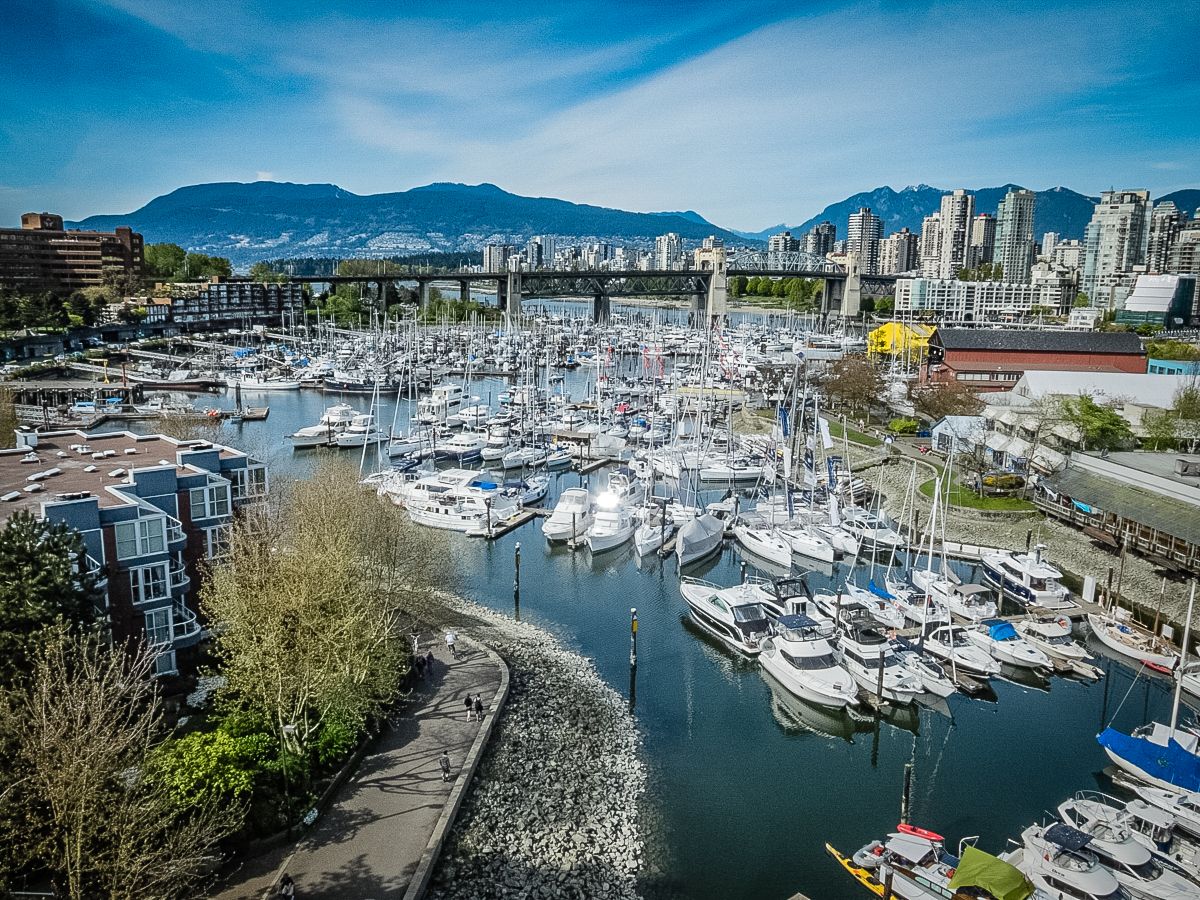
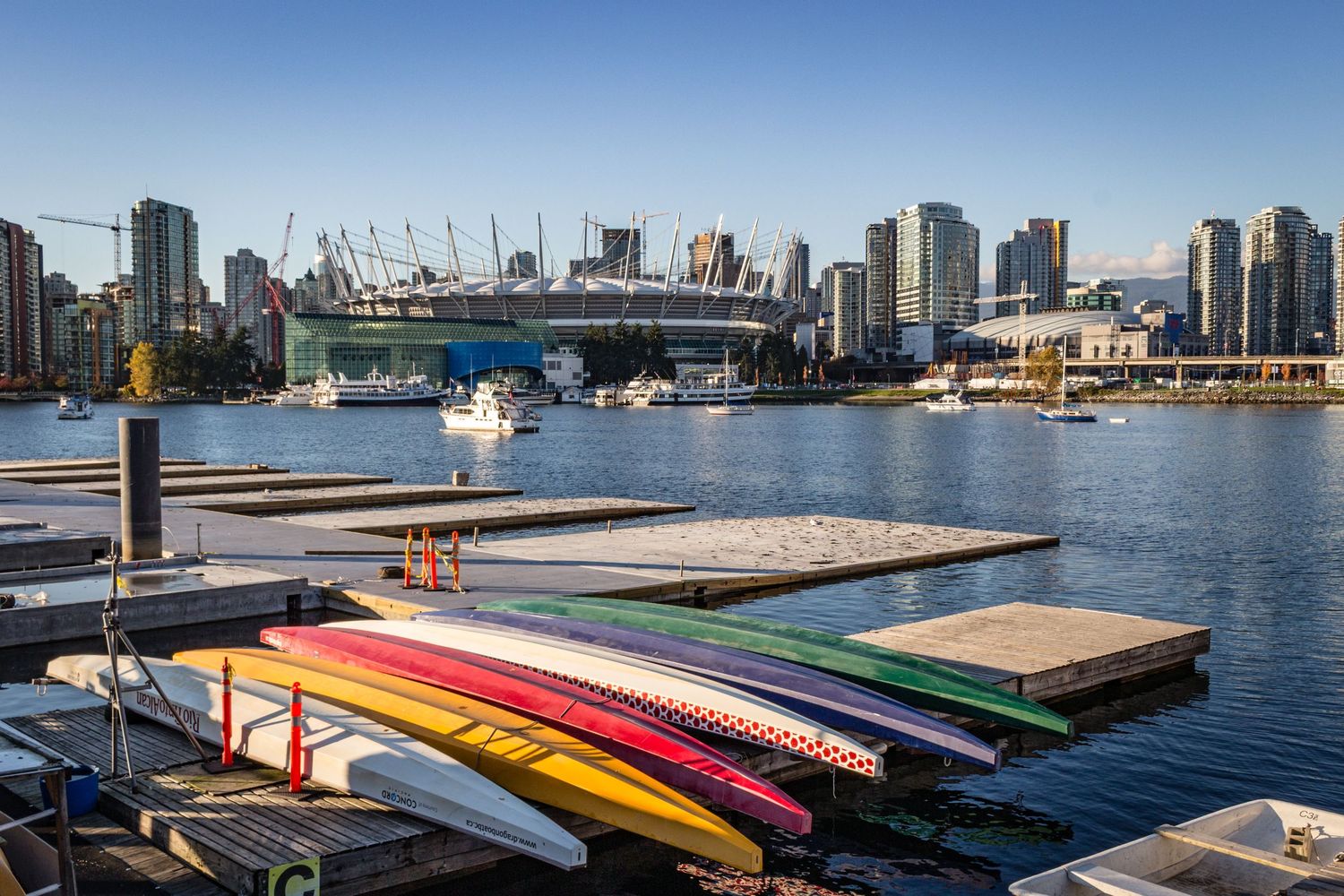
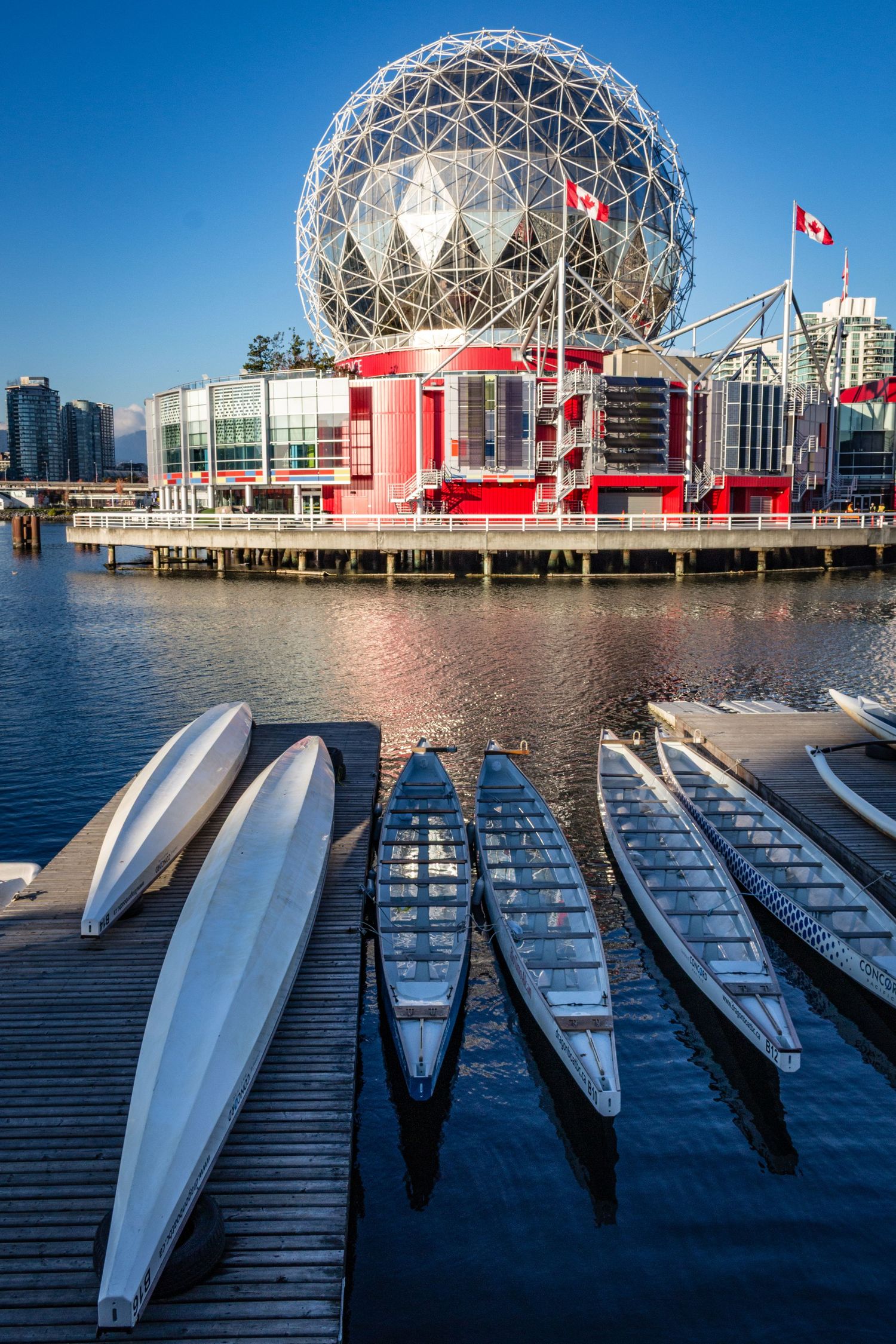
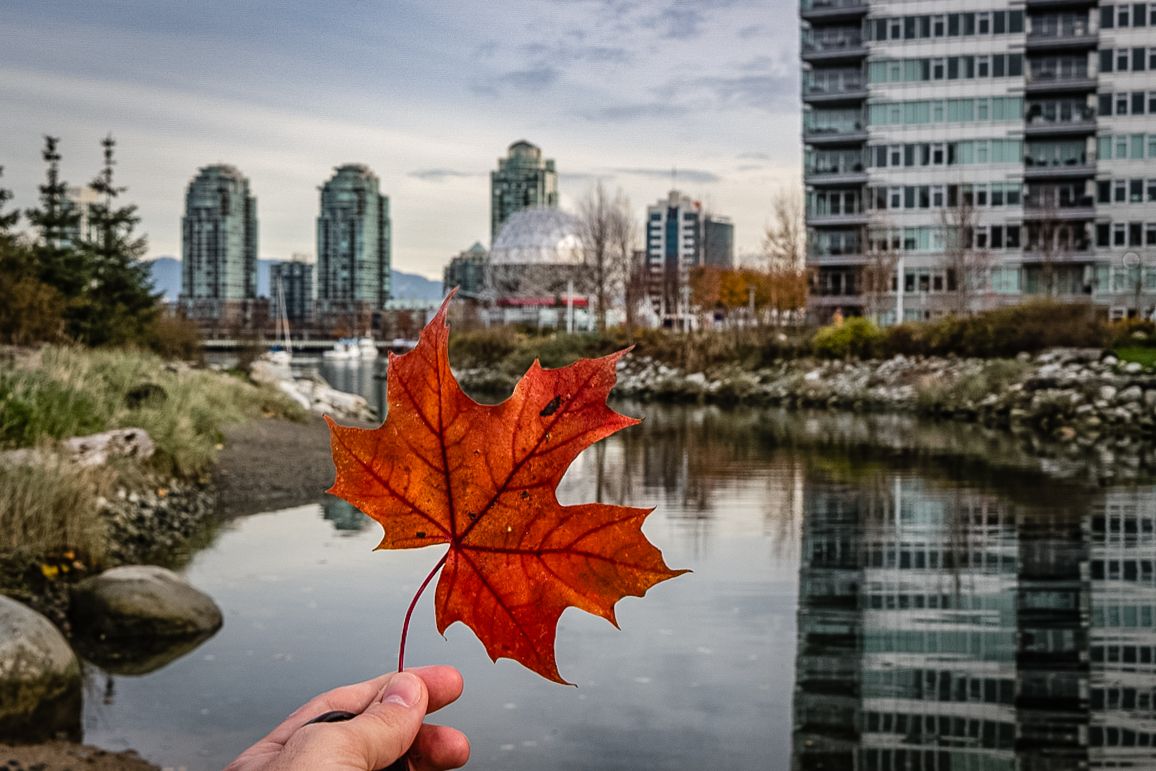
Spring shifted the city almost overnight. Cherry blossoms appeared along residential streets, parks filled again, and False Creek began to feel like a gathering point rather than a passageway. Granville Island was impossible to avoid, and I never tried. Wandering the market, lingering near the water, and watching ferries cut back and forth became second nature. Bowen Island trips offered a reset when the city felt busy, the ferry ride alone enough to mark a mental shift.
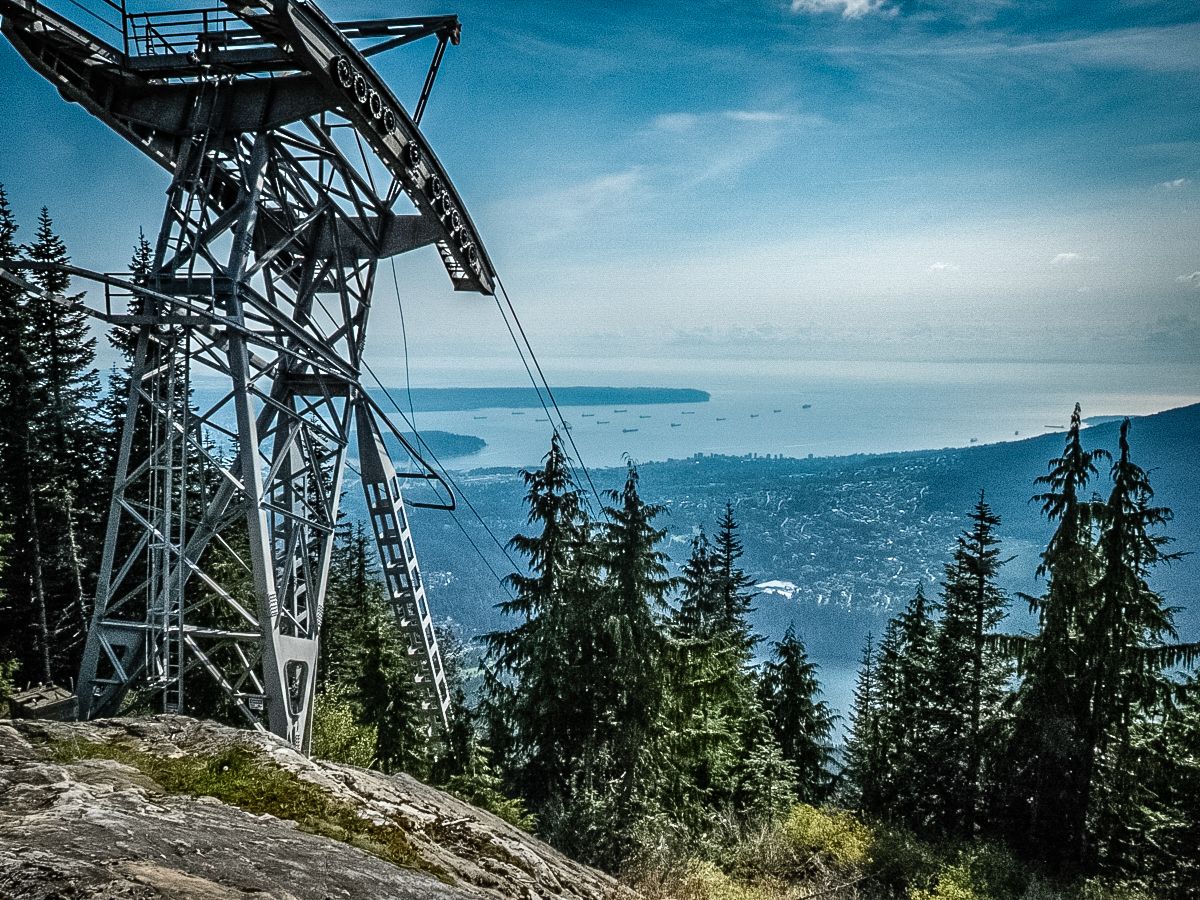
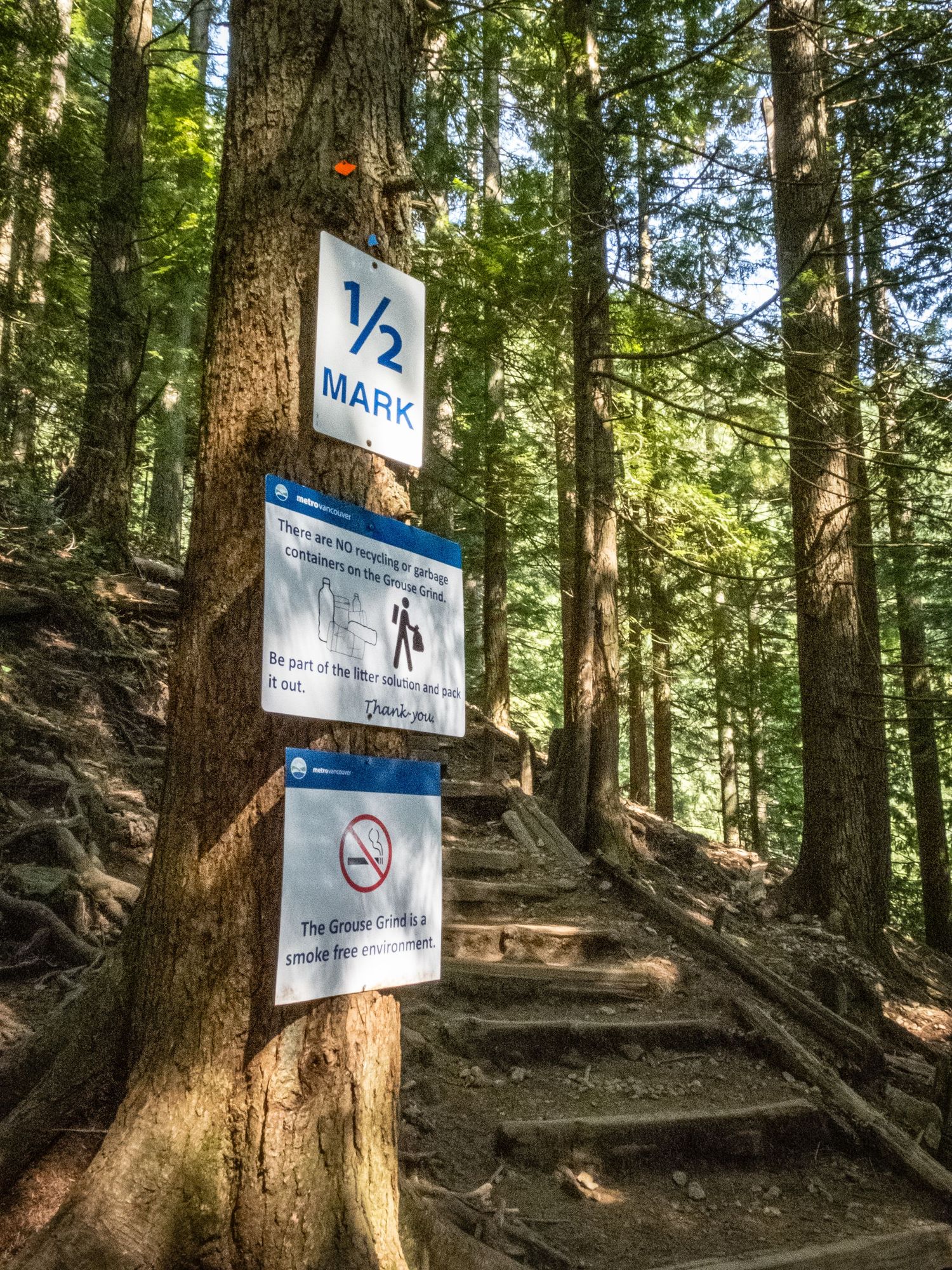
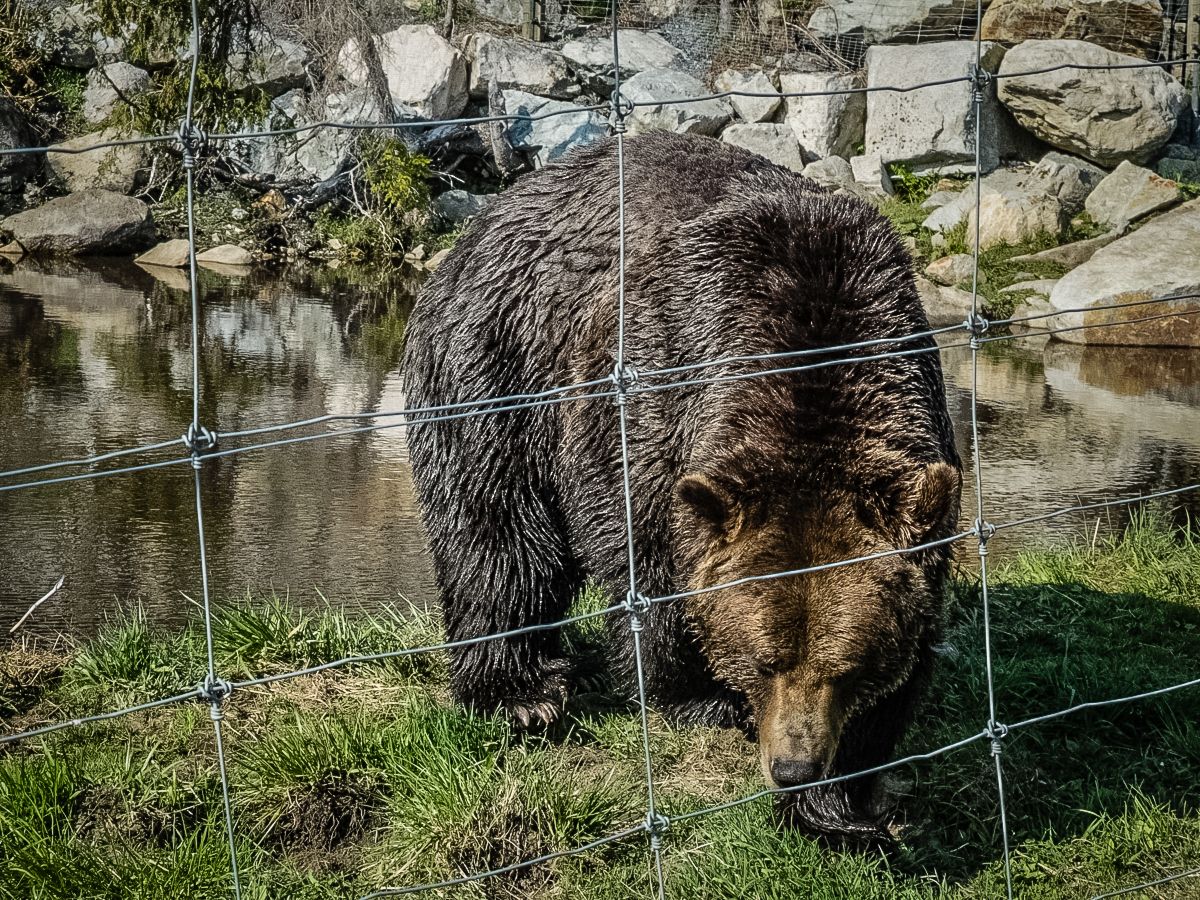
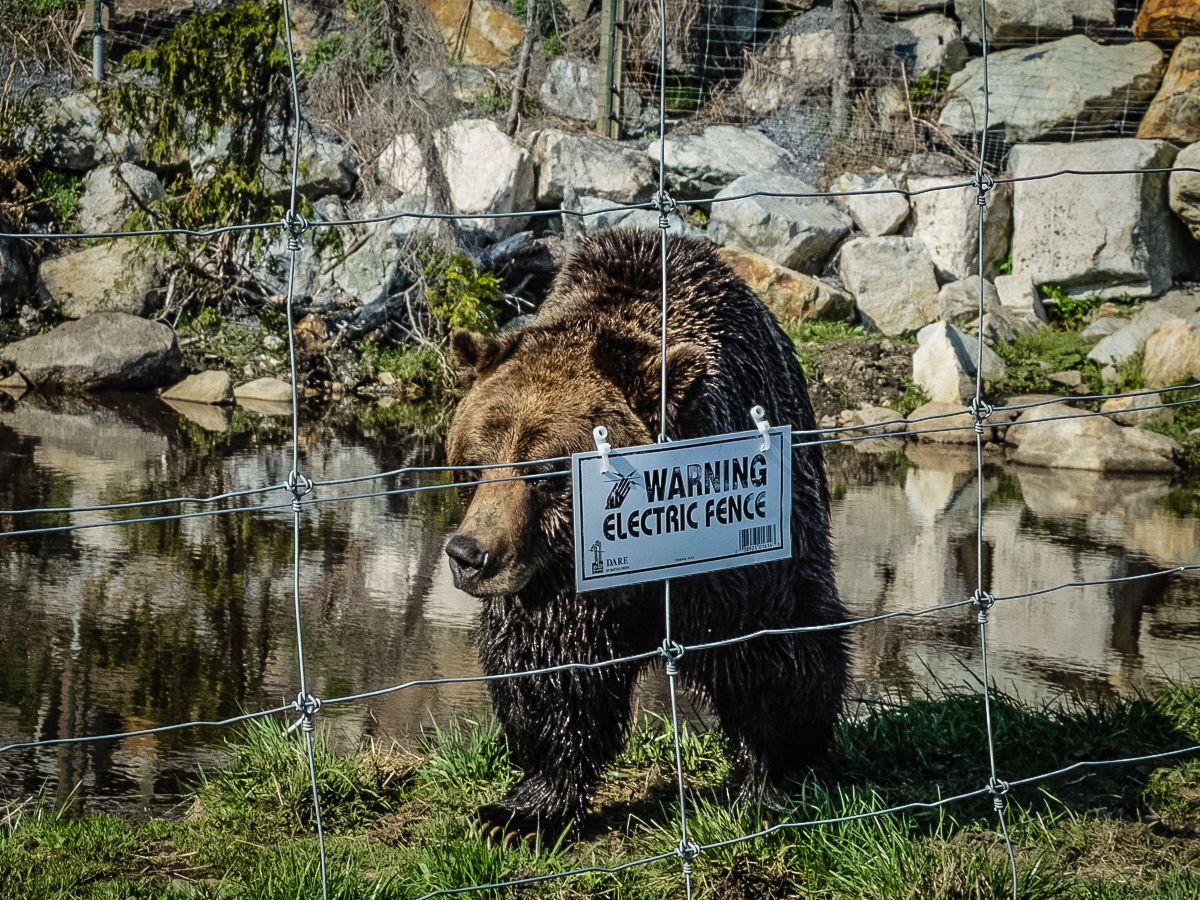
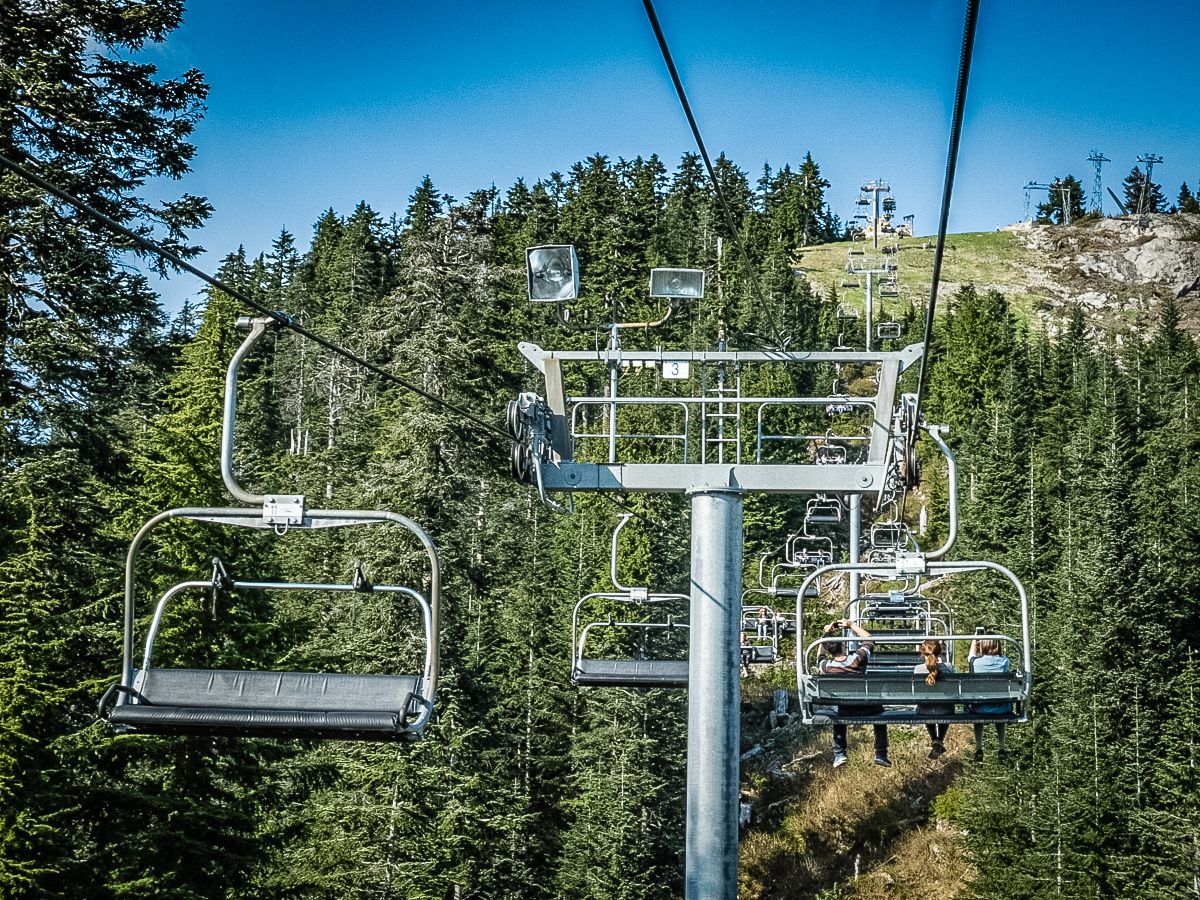
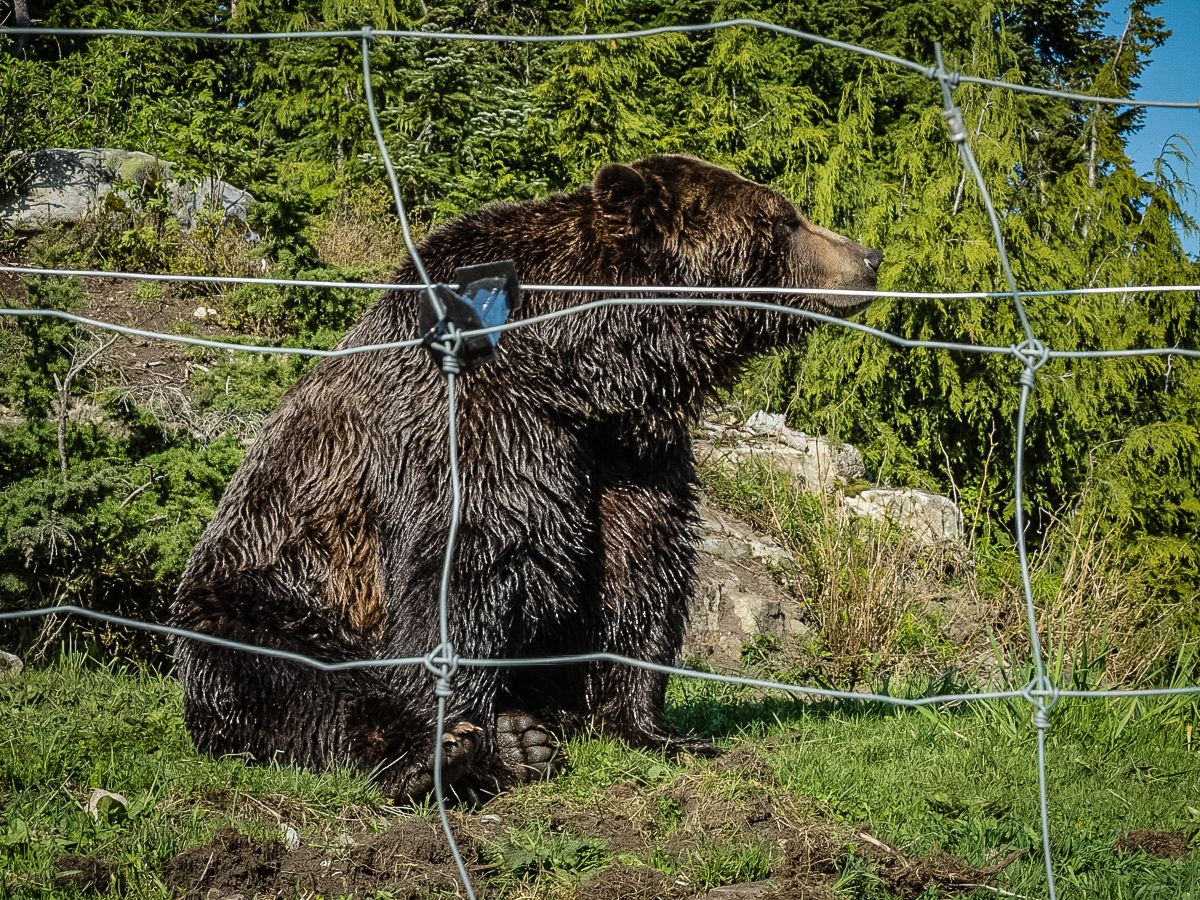
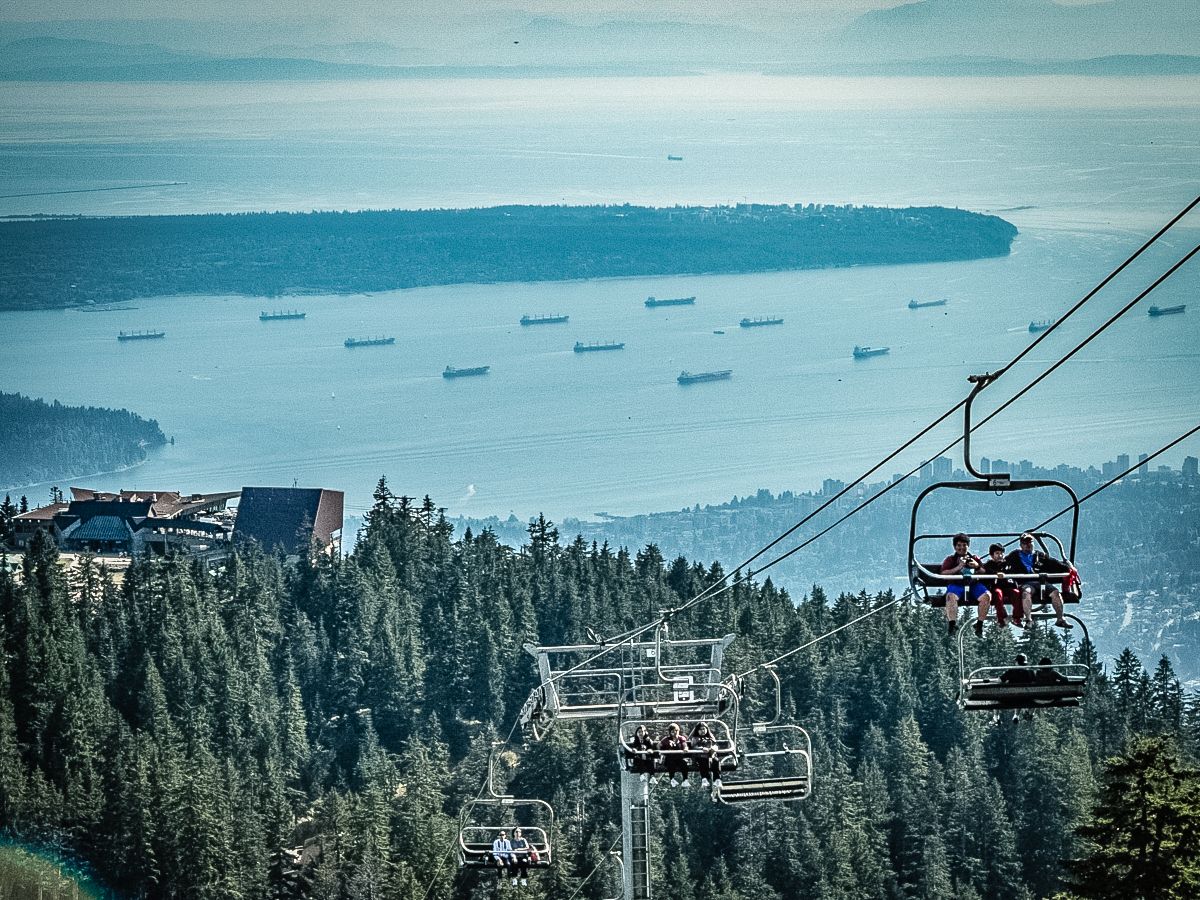
Grouse Mountain stood out as one of the more memorable places that year. Visiting the resident grizzly bears, Grinder and Coola, brought a deeper understanding of the region. Both bears were rescued after being orphaned in the wild and now live in a protected habitat where they help educate visitors about conservation and human impact. Watching them move through their enclosure, unaware of the crowds, carried a quiet weight. The lumberjack shows were lighter, playful even, but still tied to the province’s history and relationship with its forests.
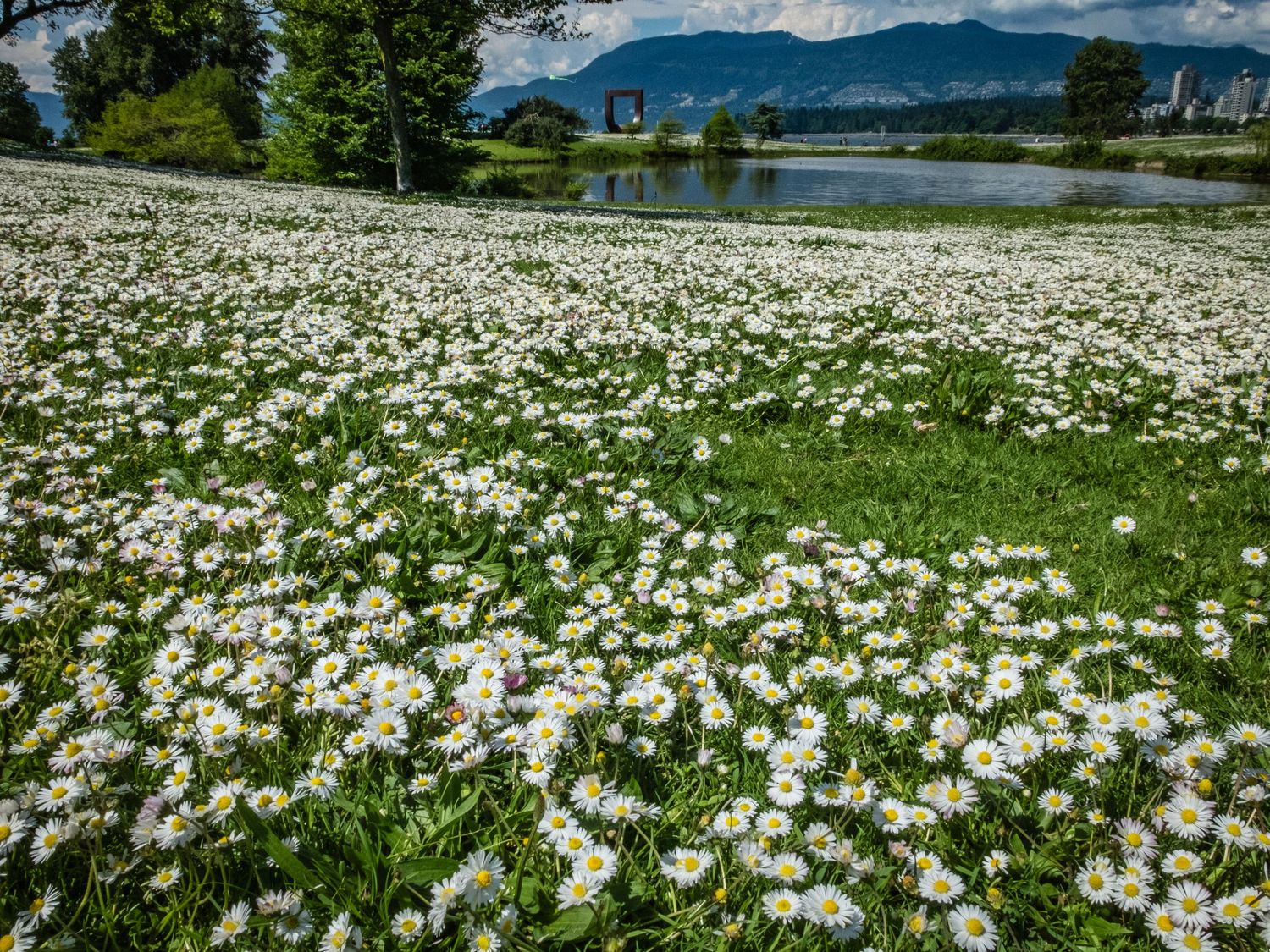
Summer stretched long and days blurred together in the best way. False Creek, English Bay, and Kits Beach filled with life, while evenings drifted into nights without needing structure. The city felt open, breathable, and generous with its time. Vancouver rewards curiosity. Even familiar streets reveal something new when revisited often enough.
By late summer, a subtle shift arrived. Leaves began to change, mornings cooled, and the city felt ready for a pause. The pull toward Vancouver Island returned, not as an escape, but as a continuation. September marked a natural moment to step away briefly and trade city streets for quieter coastlines.
selected Images